
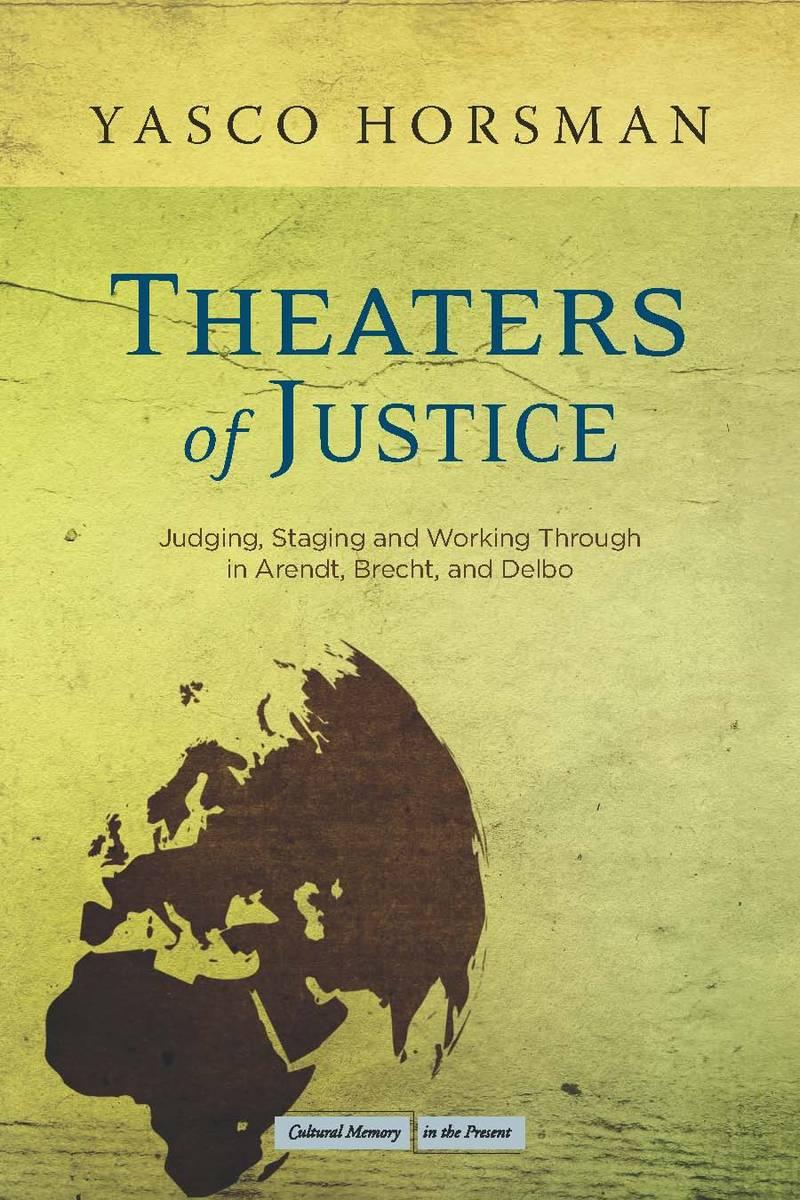
What role do legal trials have in collective processes of coming to terms with a history of mass violence? How does the theatrical structure of a criminal trial facilitate and limit national processes of healing and learning from the past? This study begins with the widely publicized, historic trials of three Nazi war criminals, Eichmann, Barbie, and Priebke, whose explicit goal was not only to punish, but also to establish an officially sanctioned version of the past. The Truth and Reconciliation commissions in South America and South Africa added a therapeutic goal, acting on the belief that a trial can help bring about a moment of closure.
Horsman challenges this belief by reading works that reflect on the relations among pedagogy, therapy, and legal trials. Philosopher Hannah Arendt, poet Charlotte Delbo, and dramaturg Bertolt Brecht all produced responses to historic trials that reopened the cases those trials sought to close, bringing to center stage aspects that had escaped the confines of their legal frameworks.
Betal nemt med kort, Klarna, Apple Pay eller Google Pay. Ikke tilfreds? Du har altid 14 dages fortrydelsesret. Læs mere i vores vilkår. Har du spørgsmål, så send os en mail på hello@memmo.org.
Memmo gør det nemmere at studere – uanset hvor du er i verden. Hos os samler du dine kursusbøger og smarte studieværktøjer ét sted: resuméer, quizzer, podcasts og flashcards. Og så er der Ted, din studieven, der svarer på alt, du undrer dig over. Over 50 000 studerende studerer allerede her – bygget til at hjælpe dig med at lære hurtigere og stresse mindre.