
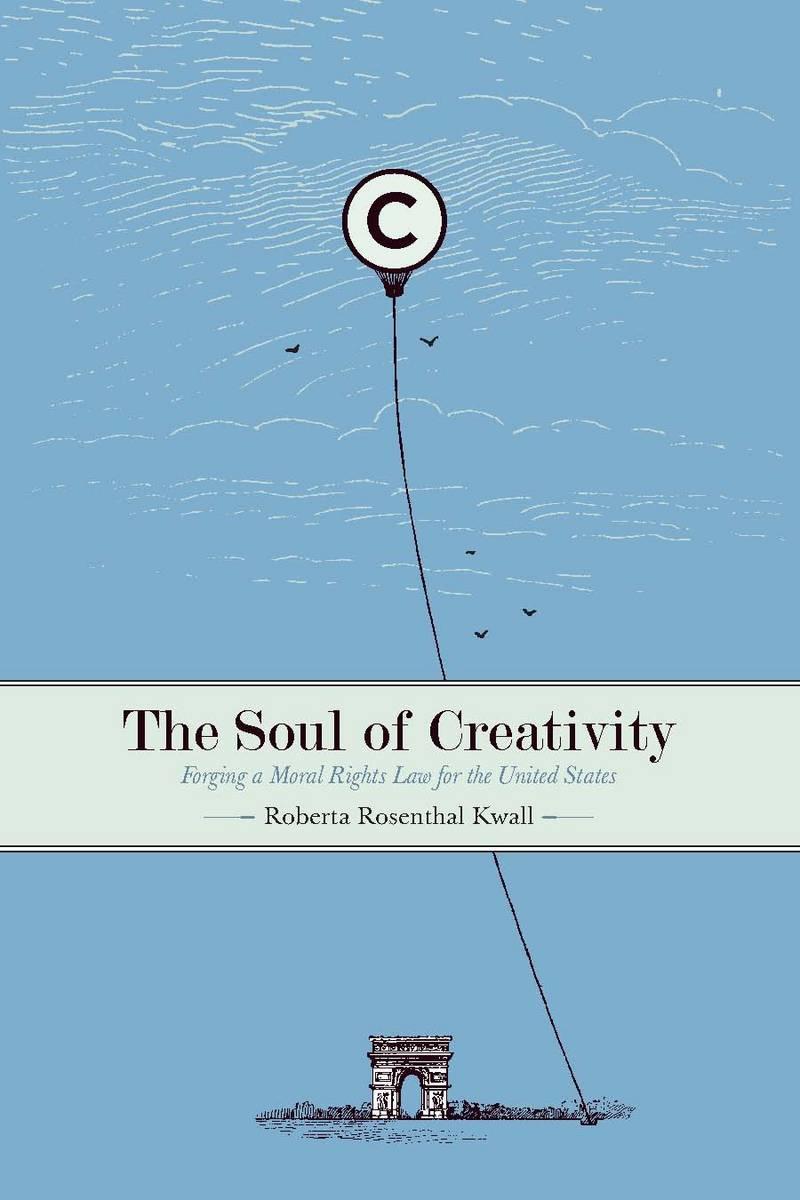
In the United States, human creativity is historically understood to be motivated by economic concerns. However, this perspective fails to account for the reality that human creativity is also often the result of internal motivations having nothing to do with money. This book addresses what motivates human creativity and how the law governing authors' rights should be shaped in response to these motivations.
On a practical level, it illustrates how integrating a fuller appreciation of the inspirational dimension of the creative process will allow us to think more expansively about legal protections for authors. Many types of creators currently lack the legal ability to compel attribution for their work, to prevent misattribution, and to safeguard their work from unwanted modifications. Drawing from a number of diverse sources, including literary, philosophical, and religious works, this book offers real solutions for crafting legal measures that facilitate an author's ability to safeguard his or her work without entirely sacrificing the intellectual property policies in practice in the United States today.
Betal nemt med kort, Klarna, Apple Pay eller Google Pay. Ikke tilfreds? Du har altid 14 dages fortrydelsesret. Læs mere i vores vilkår. Har du spørgsmål, så send os en mail på hello@memmo.org.
Memmo gør det nemmere at studere – uanset hvor du er i verden. Hos os samler du dine kursusbøger og smarte studieværktøjer ét sted: resuméer, quizzer, podcasts og flashcards. Og så er der Ted, din studieven, der svarer på alt, du undrer dig over. Over 50 000 studerende studerer allerede her – bygget til at hjælpe dig med at lære hurtigere og stresse mindre.