
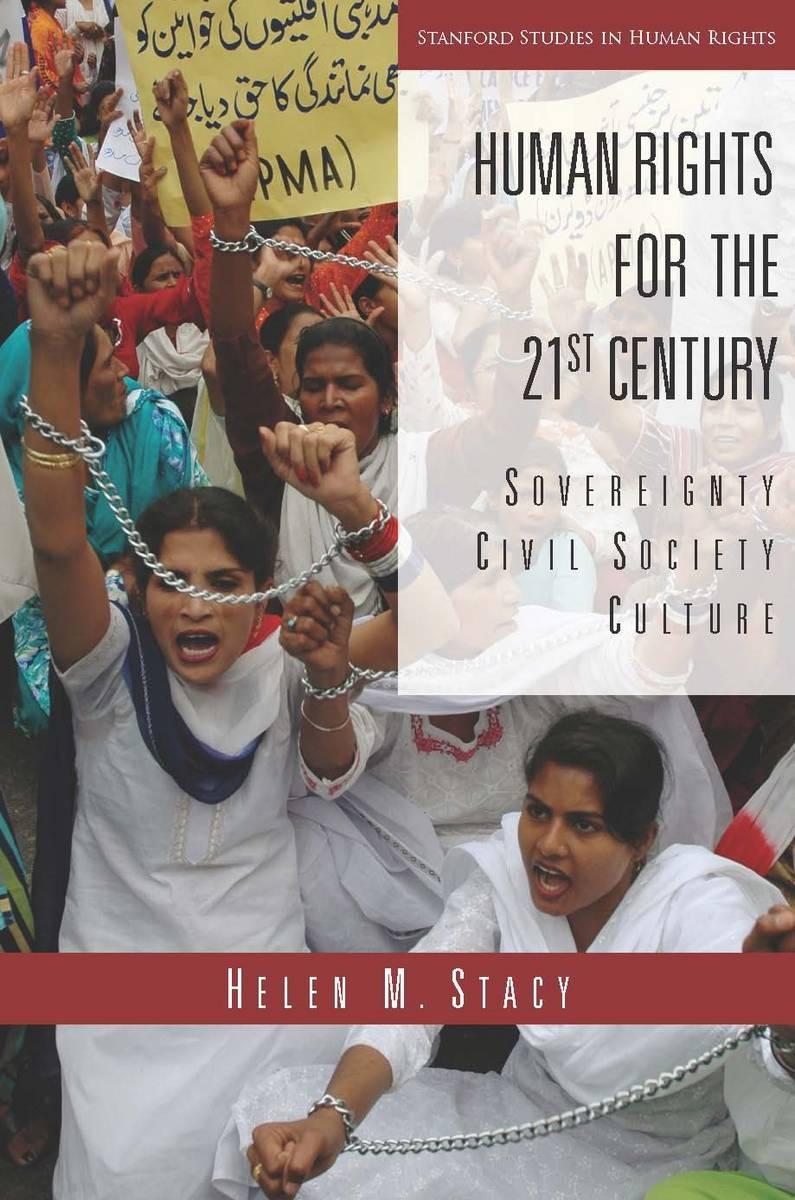
A new moral, ethical, and legal framework is needed for international human rights law. Never in human history has there been such an elaborate international system for human rights, yet from massive disasters, such as the Darfur genocide, to everyday tragedies, such as female genital mutilation, human rights abuses continue at an alarming rate. As the world population increases and global trade brings new wealth as well as new problems, international law can and should respond better to those who live in fear of violence, neglect, or harm.
Modern critiques global human rights fall into three categories: sovereignty, culture, and civil society. These are not new problems, but have long been debated as part of the legal philosophical tradition. Taking lessons from tradition and recasting them in contemporary light, Helen Stacy proposes new approaches to fill the gaps in current approaches: relational sovereignty, reciprocal adjudication, and regional human rights. She forcefully argues that law and courts must play a vital role in forging a better human rights vision in the future.
Betal nemt med kort, Klarna, Apple Pay eller Google Pay. Ikke tilfreds? Du har altid 14 dages fortrydelsesret. Læs mere i vores vilkår. Har du spørgsmål, så send os en mail på hello@memmo.org.
Memmo gør det nemmere at studere – uanset hvor du er i verden. Hos os samler du dine kursusbøger og smarte studieværktøjer ét sted: resuméer, quizzer, podcasts og flashcards. Og så er der Ted, din studieven, der svarer på alt, du undrer dig over. Over 50 000 studerende studerer allerede her – bygget til at hjælpe dig med at lære hurtigere og stresse mindre.