
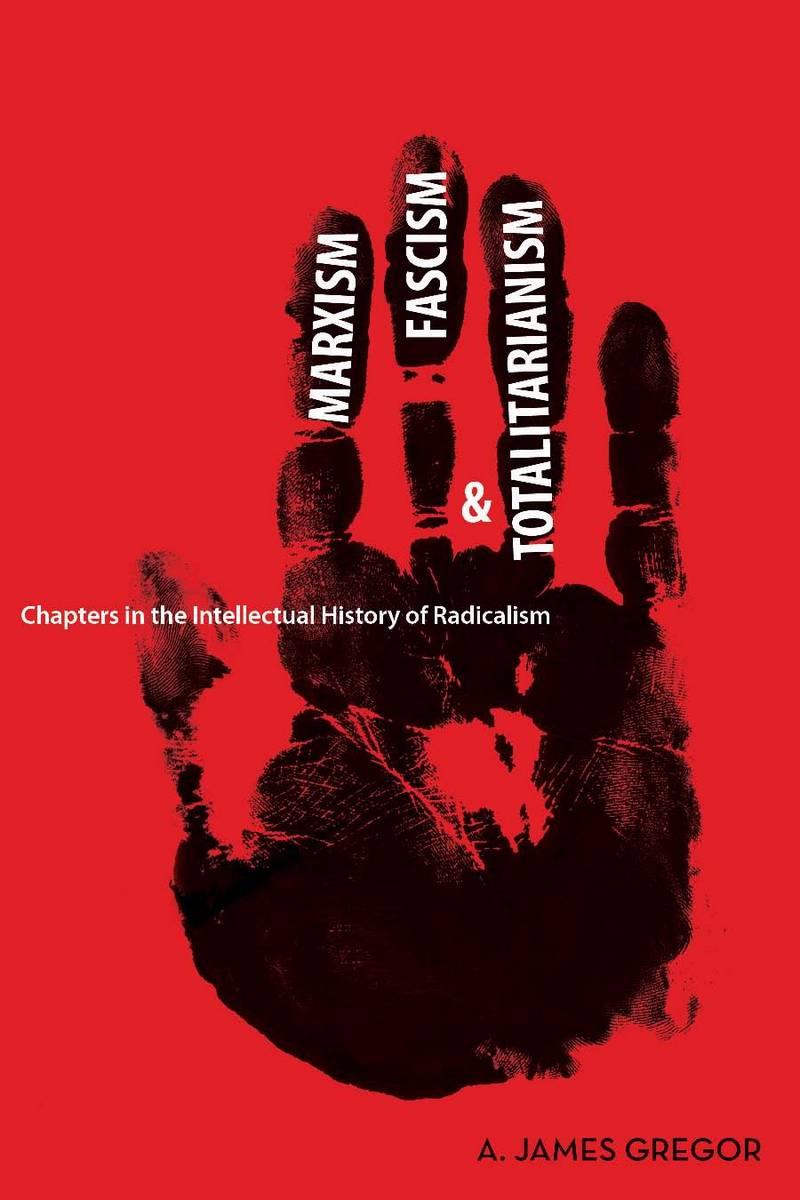
This work traces the changes in classical Marxism (the Marxism of Karl Marx and Friedrich Engels) that took place after the death of its founders. It outlines the variants that appeared around the turn of the twentieth century—one of which was to be of influence among the followers of Adolf Hitler, another of which was to shape the ideology of Benito Mussolini, and still another of which provided the doctrinal rationale for V. I. Lenin's Bolshevism and Joseph Stalin's communism. This account differs from many others by rejecting a traditional left/right distinction—a distinction that makes it difficult to understand how totalitarian political institutions could arise out of presumably diametrically opposed political ideologies. Marxism, Fascism, and Totalitarianism thus helps to explain the common features of "left-wing" and "right-wing" regimes in the twentieth century.
Betal nemt med kort, Klarna, Apple Pay eller Google Pay. Ikke tilfreds? Du har altid 14 dages fortrydelsesret. Læs mere i vores vilkår. Har du spørgsmål, så send os en mail på hello@memmo.org.
Memmo gør det nemmere at studere – uanset hvor du er i verden. Hos os samler du dine kursusbøger og smarte studieværktøjer ét sted: resuméer, quizzer, podcasts og flashcards. Og så er der Ted, din studieven, der svarer på alt, du undrer dig over. Over 50 000 studerende studerer allerede her – bygget til at hjælpe dig med at lære hurtigere og stresse mindre.