
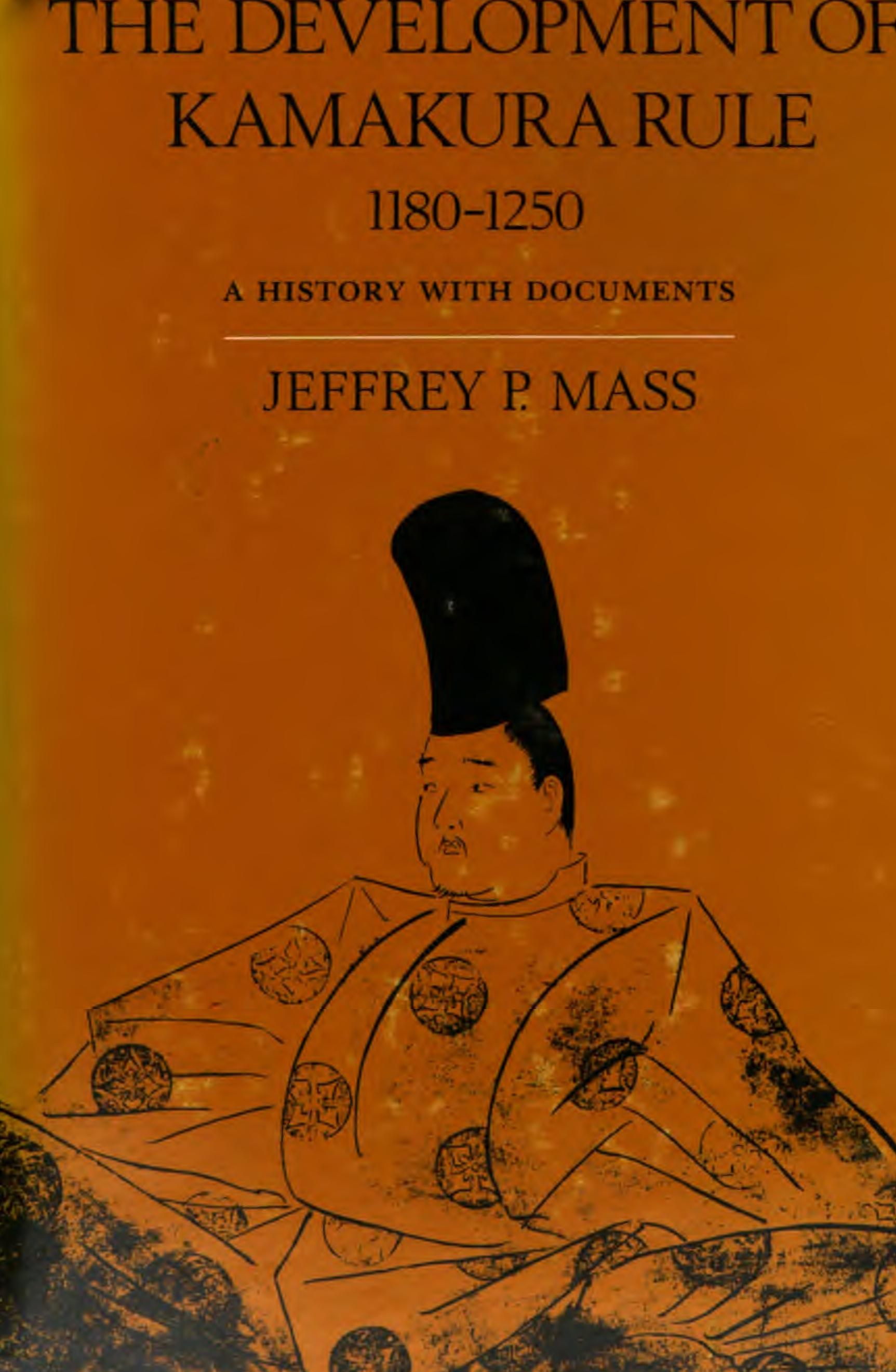
An examination of a formative period in medieval Japanese history, this study analyzes the origins and consequences of the Jōkyū War of 1221, a struggle of modest military proportions but of major political and legal importance. In defeating the traditional Court at Kyoto, the warrior government at Kamakura became the dominant national power; it subsequently created a highly efficient administration that gave Japan a century of social and political stability.
Crucial to the success of Kamakura rule was the development of a system of justice that has long been recognized as one of Japan's outstanding achievements. The author studies this system in detail, describing the forms and techniques for arbitrating disputes and showing exactly how suits were brought, expedited, and resolved.
The book includes annotated translations of 144 documents, a selection from the materials on which the book is based. These documents illuminate the changing power relationships after the Jōkyū War and the developing stages of the judicial process.
Betal nemt med kort, Klarna, Apple Pay eller Google Pay. Ikke tilfreds? Du har altid 14 dages fortrydelsesret. Læs mere i vores vilkår. Har du spørgsmål, så send os en mail på hello@memmo.org.
Memmo gør det nemmere at studere – uanset hvor du er i verden. Hos os samler du dine kursusbøger og smarte studieværktøjer ét sted: resuméer, quizzer, podcasts og flashcards. Og så er der Ted, din studieven, der svarer på alt, du undrer dig over. Over 50 000 studerende studerer allerede her – bygget til at hjælpe dig med at lære hurtigere og stresse mindre.
Du kan måske også lide
Køb bogen0