
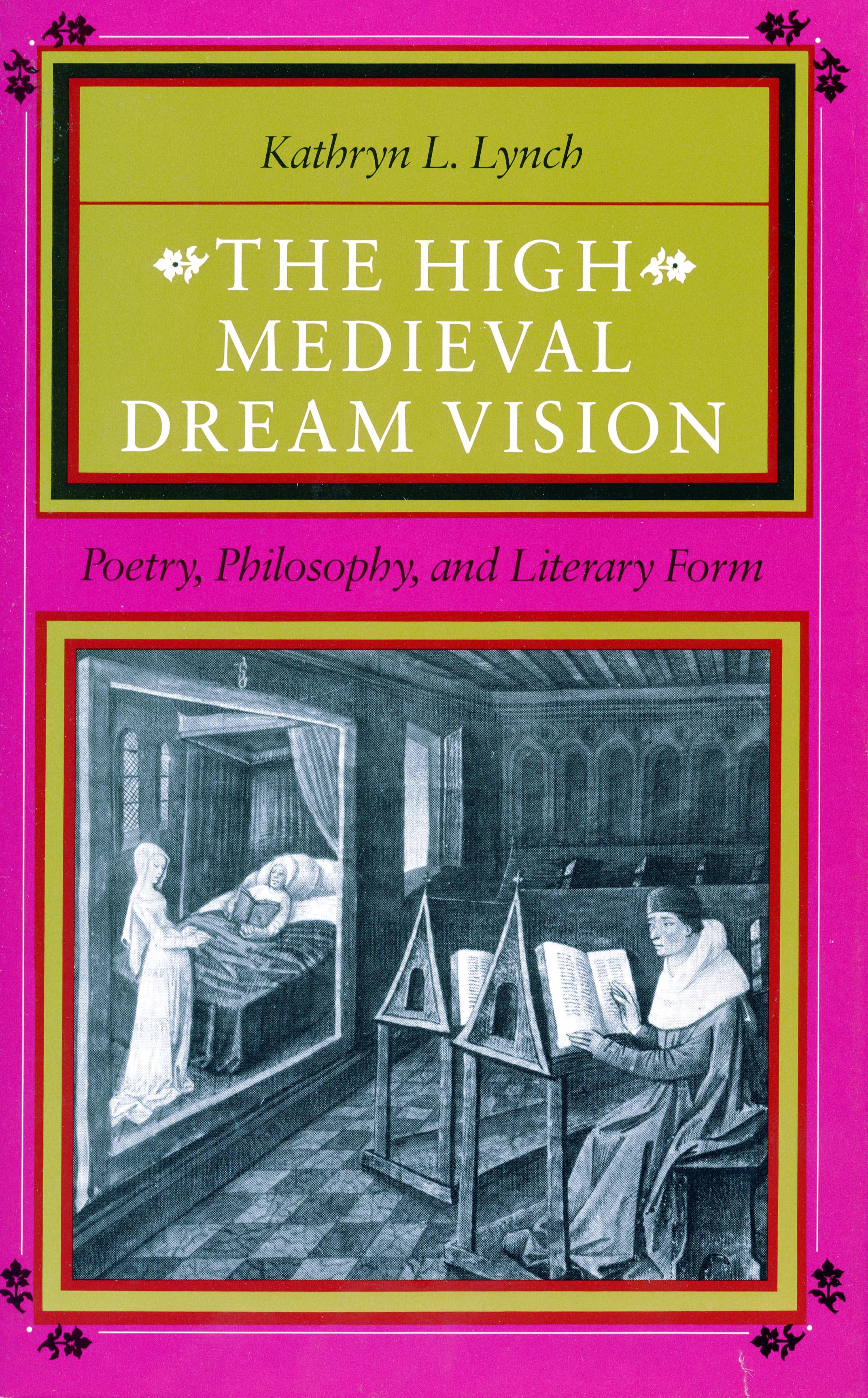
In the High Middle Ages, the dream narrative was an enormously popular and influential form. Along with the romance, it was perhaps the genre of the age. It has come down to us in such classics twelfth to fourteenth-century classics as The Divine Comedy, the Romance of the Rose, Piers Plowman, Chaucer's early poetry, and the works of Guillaume de Machaut. This book redefines the dream vision by attending to its role in philosophical debate of the time, a conservative role in defense of the high medieval synthesis of reason and revelation. Lynch shows how the epistemological basis of this synthesis and the theories of visions that emerged from it drew on Arabic commentaries of Aristotle. These theories informed poetic visions modeled on Boethius's Consolation of Philosophy, a work she discusses in detail before turning to Alain de Lille, Jean de Meun, and Dante. A final section, on John Gower's Confessio Amantis shows how fourteenth and fifteenth-century writers extended and finally moved beyond the conventional form of the dream vision.
Betal nemt med kort, Klarna, Apple Pay eller Google Pay. Ikke tilfreds? Du har altid 14 dages fortrydelsesret. Læs mere i vores vilkår. Har du spørgsmål, så send os en mail på hello@memmo.org.
Memmo gør det nemmere at studere – uanset hvor du er i verden. Hos os samler du dine kursusbøger og smarte studieværktøjer ét sted: resuméer, quizzer, podcasts og flashcards. Og så er der Ted, din studieven, der svarer på alt, du undrer dig over. Over 50 000 studerende studerer allerede her – bygget til at hjælpe dig med at lære hurtigere og stresse mindre.