
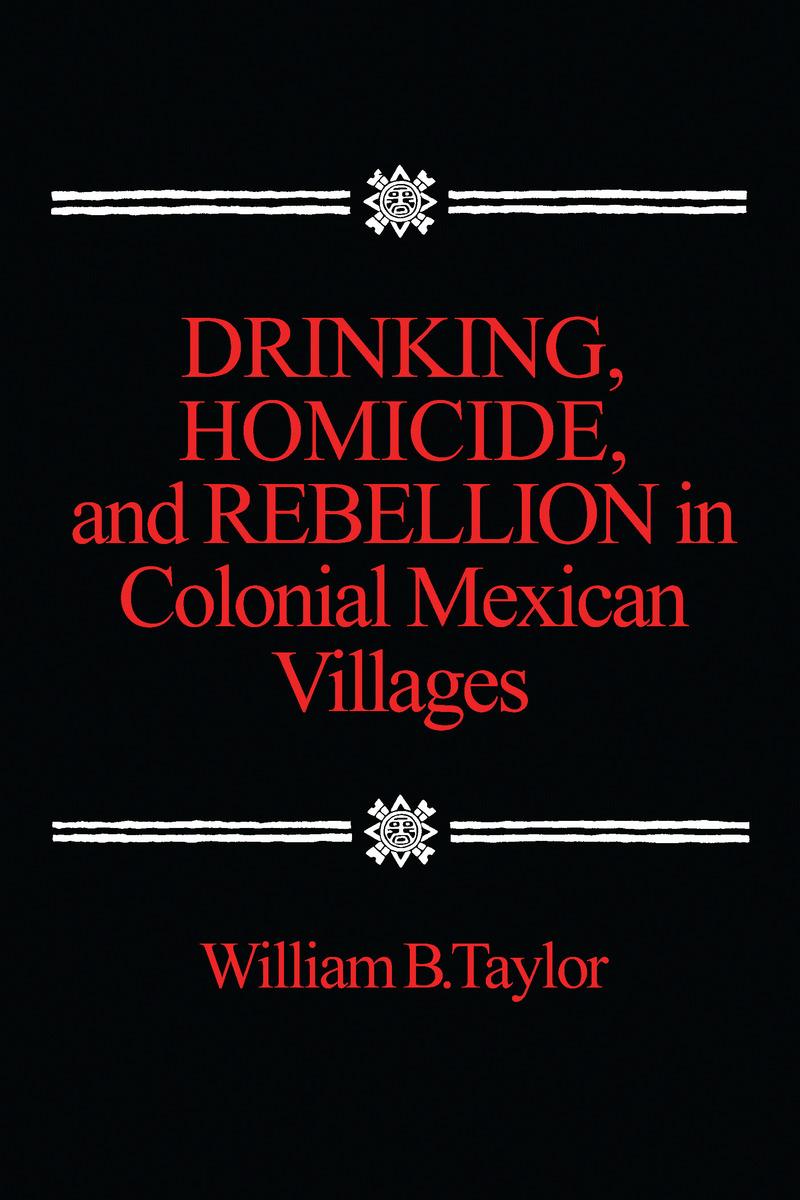
This study analyzes the impact of Spanish rule on Indian peasant identity in the late colonial period by investigating three areas of social behavior. Based on the criminal trial records and related documents from the regions of central Mexico and Oaxaca, it attempts to discover how peasants conceived of their role under Spanish rule, how they behaved under various kinds of street, and how they felt about their Spanish overlords.
In examining the character of village uprisings, typical relationships between killers and the people they killed, and the drinking patterns of the late colonial period, the author finds no warrant for the familiar picture of sullen depredation and despair. Landed peasants of colonial Mexico drank moderately on the whole, and mostly on ritual occasions; they killed for personal and not political reasons. Only when new Spanish encroachments threatened their lands and livelihoods did their grievances flare up in rebellion, and these occasions were numerous but brief. The author bolsters his conclusions with illuminating comparisons with other peasant societies.
Betal nemt med kort, Klarna, Apple Pay eller Google Pay. Ikke tilfreds? Du har altid 14 dages fortrydelsesret. Læs mere i vores vilkår. Har du spørgsmål, så send os en mail på hello@memmo.org.
Memmo gør det nemmere at studere – uanset hvor du er i verden. Hos os samler du dine kursusbøger og smarte studieværktøjer ét sted: resuméer, quizzer, podcasts og flashcards. Og så er der Ted, din studieven, der svarer på alt, du undrer dig over. Over 50 000 studerende studerer allerede her – bygget til at hjælpe dig med at lære hurtigere og stresse mindre.