
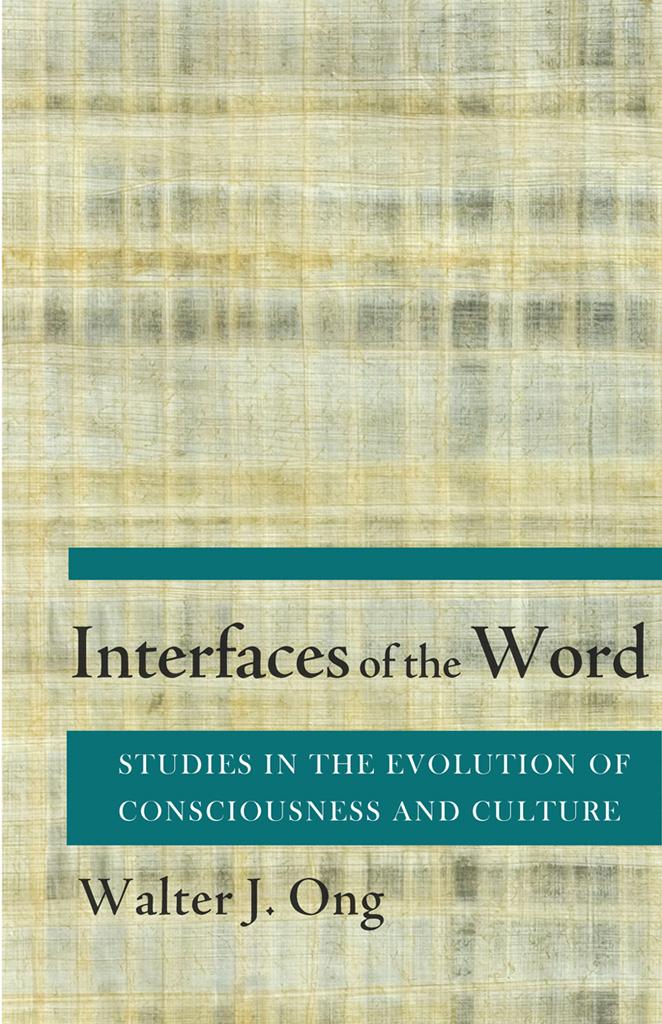
Drawing on a wide range of disciplines—linguistics, phenomenological analysis, cultural anthropology, media studies, and intellectual history—Walter J. Ong offers a reasoned and sophisticated view of human consciousness different in many respects from that of structuralism. The essays in Interfaces of the Word are grouped around the dialectically related themes of change or alienation and growth or integration. Among the subjects Ong covers are the origins of speech in mother tongues; the rise and final erosion of nonvernacular learned languages; and the fictionalizing of audiences that is enforced by writing. Other essays treat the idiom of African talking drums, the ways new media interface with the old, and the various connections between specific literary forms and shifts in media that register in the work of Shakespeare and Milton and in movements such as the New Criticism. Ong also discusses the paradoxically nonliterary character of the Bible and the concerted blurring of fiction and actuality that marked much drama and narrative toward the close of the twentieth century.
Betal nemt med kort, Klarna, Apple Pay eller Google Pay. Ikke tilfreds? Du har altid 14 dages fortrydelsesret. Læs mere i vores vilkår. Har du spørgsmål, så send os en mail på hello@memmo.org.
Memmo gør det nemmere at studere – uanset hvor du er i verden. Hos os samler du dine kursusbøger og smarte studieværktøjer ét sted: resuméer, quizzer, podcasts og flashcards. Og så er der Ted, din studieven, der svarer på alt, du undrer dig over. Over 50 000 studerende studerer allerede her – bygget til at hjælpe dig med at lære hurtigere og stresse mindre.