
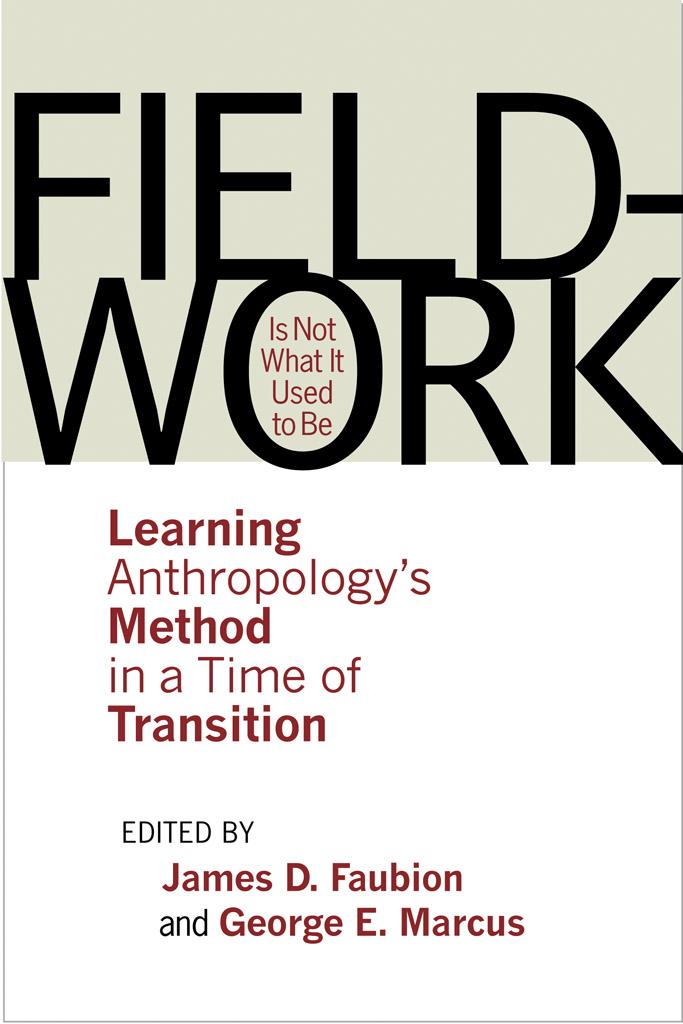
Over the past two decades anthropologists have been challenged to rethink the nature of ethnographic research, the meaning of fieldwork, and the role of ethnographers. Ethnographic fieldwork has cultural, social, and political ramifications that have been much discussed and acted upon, but the training of ethnographers still follows a very traditional pattern; this volume engages and takes its point of departure in the experiences of ethnographers-in-the-making that encourage alternative models for professional training in fieldwork and its intellectual contexts.
The work done by contributors to Fieldwork Is Not What It Used to Be articulates, at the strategic point of career-making research, features of this transformation in progress. Setting aside traditional anxieties about ethnographic authority, the authors revisit fieldwork with fresh initiative. In search of better understandings of the contemporary research process itself, they assess the current terms of the engagement of fieldworkers with their subjects, address the constructive, open-ended forms by which the conclusions of fieldwork might take shape, and offer an accurate and useful description of what it means to become—and to be—an anthropologist today.
Betal nemt med kort, Klarna, Apple Pay eller Google Pay. Ikke tilfreds? Du har altid 14 dages fortrydelsesret. Læs mere i vores vilkår. Har du spørgsmål, så send os en mail på hello@memmo.org.
Memmo gør det nemmere at studere – uanset hvor du er i verden. Hos os samler du dine kursusbøger og smarte studieværktøjer ét sted: resuméer, quizzer, podcasts og flashcards. Og så er der Ted, din studieven, der svarer på alt, du undrer dig over. Over 50 000 studerende studerer allerede her – bygget til at hjælpe dig med at lære hurtigere og stresse mindre.