
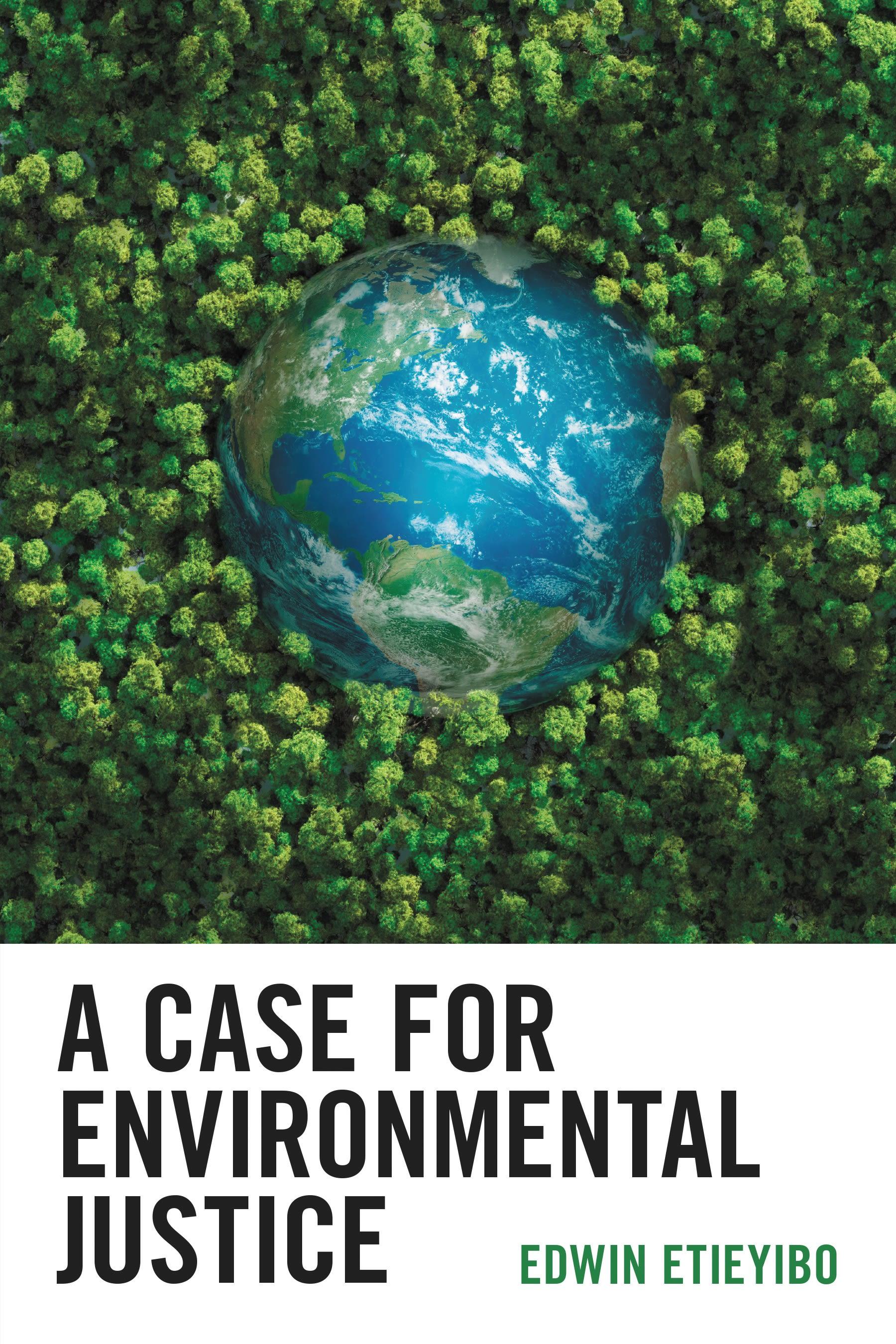
Issues of the environment and its sustainability are linked to those of global warming, climate change and loss of biodiversity. This is so because there is a general consensus in the scientific community that the long-term shift or alteration of temperature and weather patterns both locally and globally are the result of human activities not the least those of burning of fossil fuels, deforestation, agricultural practices, land-use changes, pollution. Accordingly, questions of environmental justice arise because of the threat that anthropogenic climate change pose to our planet. This book examines these issues using as its point of departure environmental justice, where environmental justice is concerned with environmental sustainability and the equitable treatment and involvement of people of all races, cultures, incomes, and educational levels in the development, implementation, and enforcement of environmental programs, laws, rules, and policies. The book discusses, among other things, the population and consumption debate with regard to resource depletion and loss of biodiversity, problems of global policing of environmental pollution and greenhouse gas emissions by nation-states in the context of the tragedy of the commons and possible solutions to some of these problems from African and Native American philosophies and worldviews.
Betal nemt med kort, Klarna, Apple Pay eller Google Pay. Ikke tilfreds? Du har altid 14 dages fortrydelsesret. Læs mere i vores vilkår. Har du spørgsmål, så send os en mail på hello@memmo.org.
Memmo gør det nemmere at studere – uanset hvor du er i verden. Hos os samler du dine kursusbøger og smarte studieværktøjer ét sted: resuméer, quizzer, podcasts og flashcards. Og så er der Ted, din studieven, der svarer på alt, du undrer dig over. Over 50 000 studerende studerer allerede her – bygget til at hjælpe dig med at lære hurtigere og stresse mindre.