
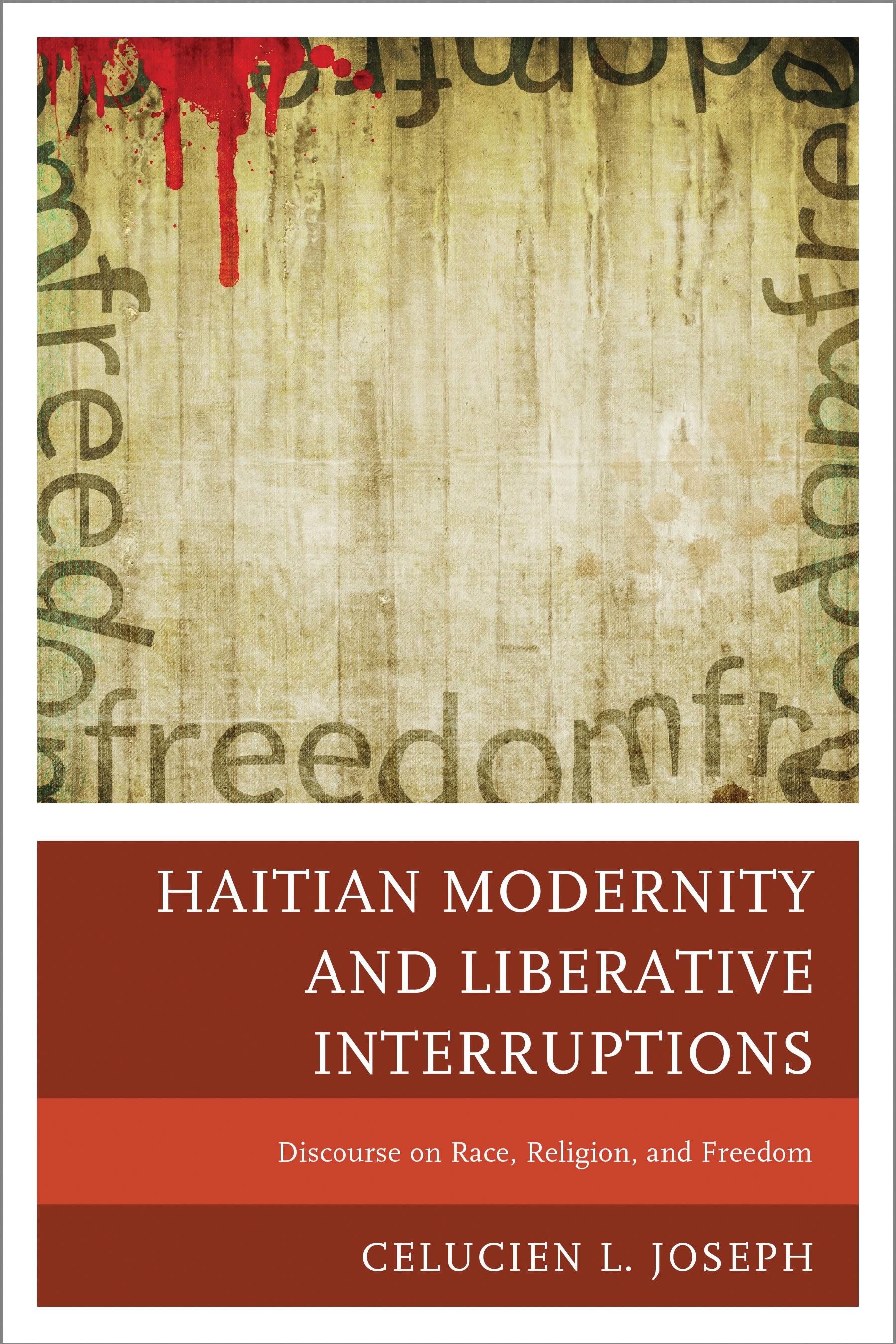
Haitian Modernity and Liberative Interruptions investigates the intersections of history, literature, race, religion, decolonization, and freedom that led to the founding of the postcolonial state of Haiti in 1804. Particular attention is given to the place of religion in the Haitian Revolution, as well as to the interpretation and representation of this singular event in the work of Frederick Douglass and Langston Hughes. This book not only examines the multiple legacies and the problems of Enlightenment modernity, imperial colonialism, Western racism, and hegemony, but also studies their complex relationships with the institutions of slavery, religion, and Black freedom. Topics range from Makandal’s postcolonial religious imagination to Boukman’s liberation theology to Langston Hughes’ discussion of the role of prophetic religion in the Haitian Revolution. Haitian Modernity and Liberative Interruptions also compares Du Bois’s theory of double consciousness with Fanon’s theory of decolonization and revolutionary humanism.
Betal nemt med kort, Klarna, Apple Pay eller Google Pay. Ikke tilfreds? Du har altid 14 dages fortrydelsesret. Læs mere i vores vilkår. Har du spørgsmål, så send os en mail på hello@memmo.org.
Memmo gør det nemmere at studere – uanset hvor du er i verden. Hos os samler du dine kursusbøger og smarte studieværktøjer ét sted: resuméer, quizzer, podcasts og flashcards. Og så er der Ted, din studieven, der svarer på alt, du undrer dig over. Over 50 000 studerende studerer allerede her – bygget til at hjælpe dig med at lære hurtigere og stresse mindre.