
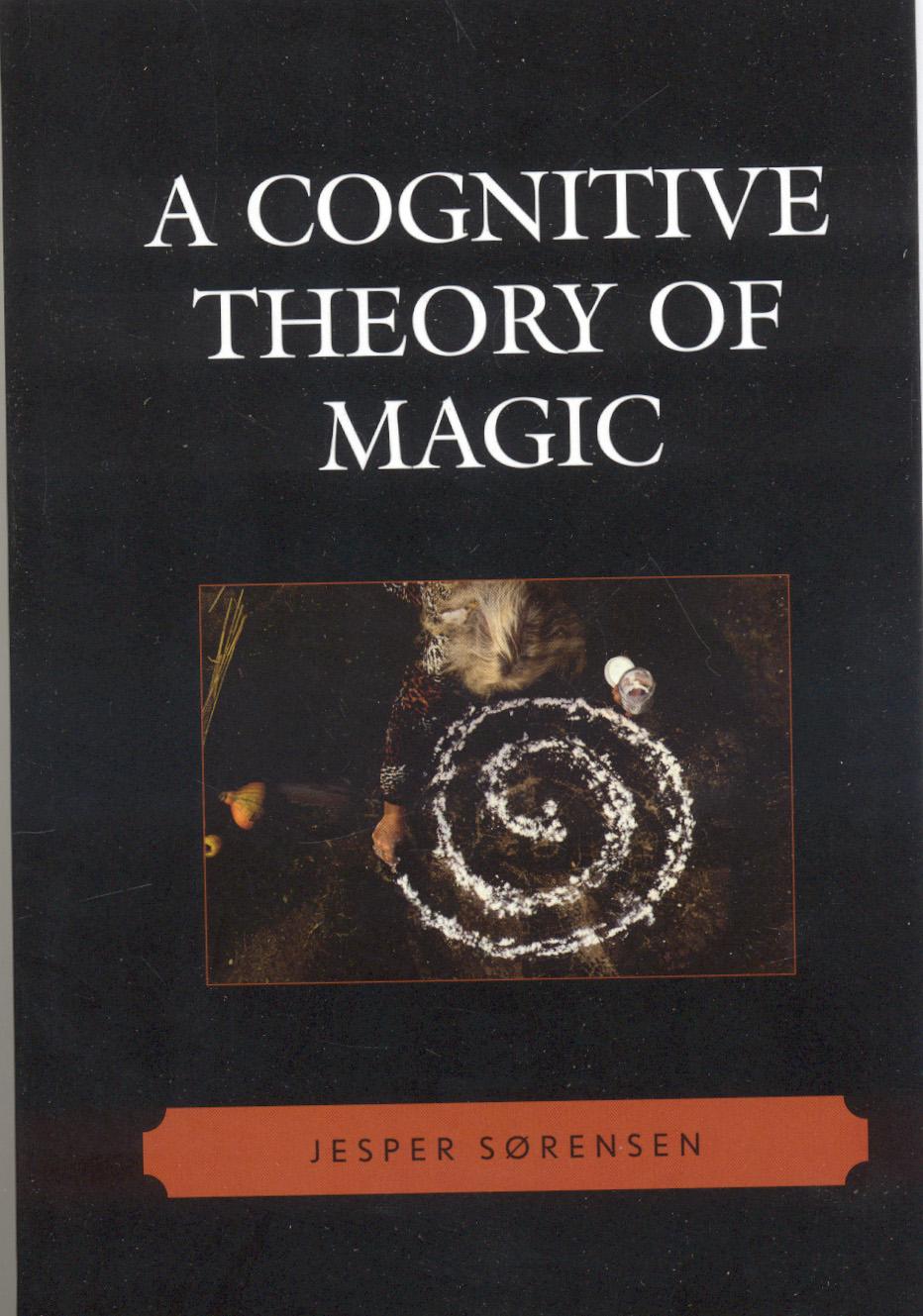
Magic is a universal phenomenon. Everywhere we look people perform ritual actions in which desirable qualities are transferred by means of physical contact and objects or persons are manipulated by things of their likeness. In this book Sørensen embraces a cognitive perspective in order to investigate this long-established but controversial topic. Following a critique of the traditional approaches to magic, and basing his claims on classical ethnographic cases, the author explains magic's universality by examining a number of recurrent cognitive processes underlying its different manifestations. He focuses on how power is infused into the ritual practice; how representations of contagion and similarity can be used to connect otherwise distinct objects in order to manipulate one by the other; and how the performance of ritual prompts representations of magical actions as effective. Bringing these features together, the author proposes a cognitive theory of how people can represent magical rituals as purposeful actions and how ritual actions are integrated into more complex representations of events. This explanation, in turn, yields new insights into the constitutive role of magic in the formation of institutionalised religious ritual.
Sider: 232
Kategori: Religion & Teologi
e-ISBN: 9780759114043
Forsendelsesvægt: 1.2 kg
Sendes inden for: 1-2 dage
Betal nemt med kort, Klarna, Apple Pay eller Google Pay. Ikke tilfreds? Du har altid 14 dages fortrydelsesret. Læs mere i vores vilkår. Har du spørgsmål, så send os en mail på hello@memmo.org.
Memmo gør det nemmere at studere – uanset hvor du er i verden. Hos os samler du dine kursusbøger og smarte studieværktøjer ét sted: resuméer, quizzer, podcasts og flashcards. Og så er der Ted, din studieven, der svarer på alt, du undrer dig over. Over 50 000 studerende studerer allerede her – bygget til at hjælpe dig med at lære hurtigere og stresse mindre.