
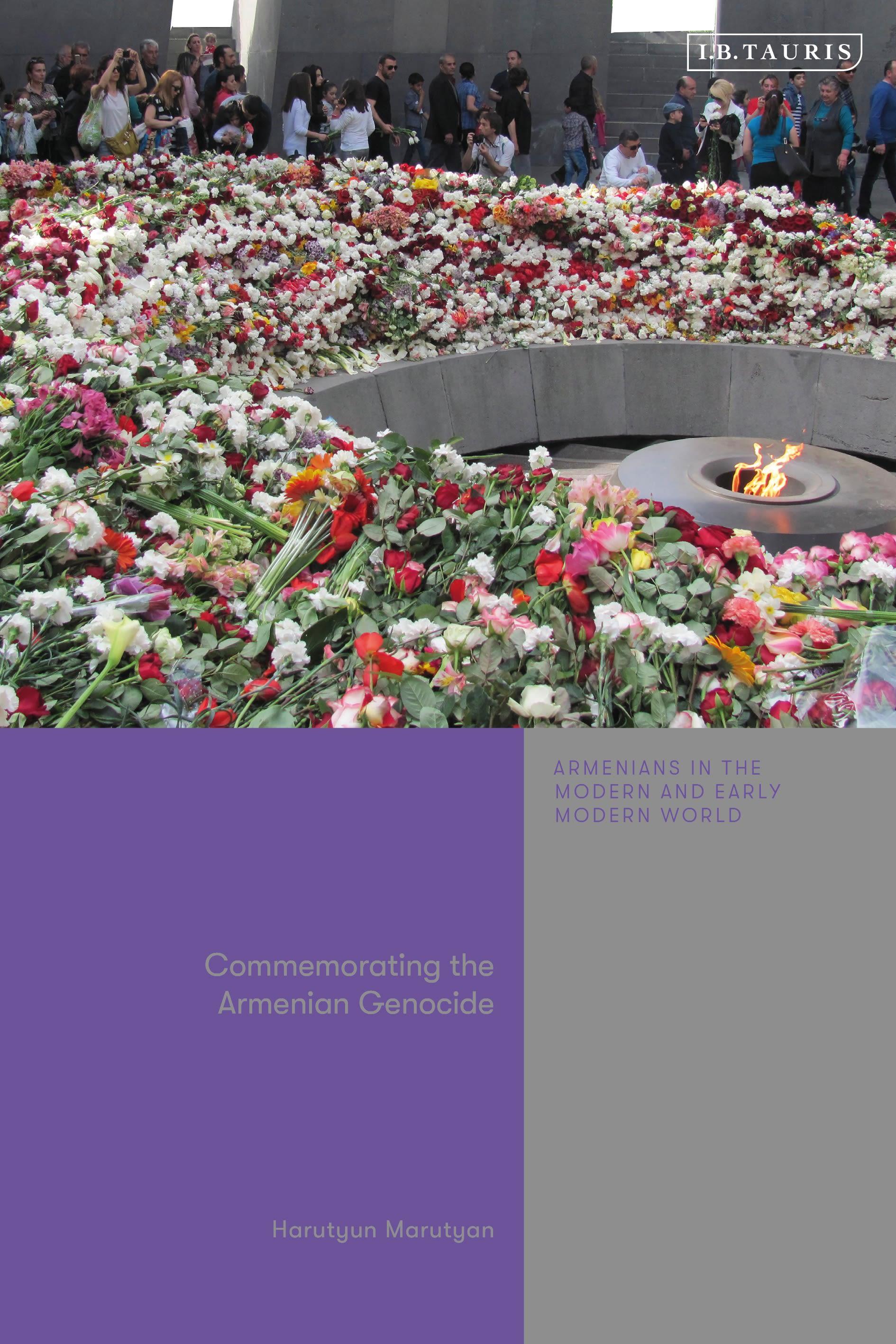
Commemorated annually on 24 April, Armenian Genocide Remembrance Day is an important part of national identity in both Armenia and the diaspora. This book is a historical and anthropological account of how the genocide is commemorated by Armenians and its evolving significance over time. Beginning with the first demonstrations by survivors in Allied-occupied Constantinople in 1919, to the Stalinist ban on commemoration and the Khrushchev thaw and beyond, the book charts how the politics of the genocide and its official and popular memory fluctuated in Soviet Armenia and the diaspora. The book also provides a detailed account of the rituals involved in the annual march to the Armenian Genocide Memorial in Yerevan and other memory sites, analysing the ways that the collective memory of this foundational event is embodied and continues to reflect and shape Armenian identity today.
Betal nemt med kort, Klarna, Apple Pay eller Google Pay. Ikke tilfreds? Du har altid 14 dages fortrydelsesret. Læs mere i vores vilkår. Har du spørgsmål, så send os en mail på hello@memmo.org.
Memmo gør det nemmere at studere – uanset hvor du er i verden. Hos os samler du dine kursusbøger og smarte studieværktøjer ét sted: resuméer, quizzer, podcasts og flashcards. Og så er der Ted, din studieven, der svarer på alt, du undrer dig over. Over 50 000 studerende studerer allerede her – bygget til at hjælpe dig med at lære hurtigere og stresse mindre.