
Winner of the Latifeh Yarshater book prize 2024
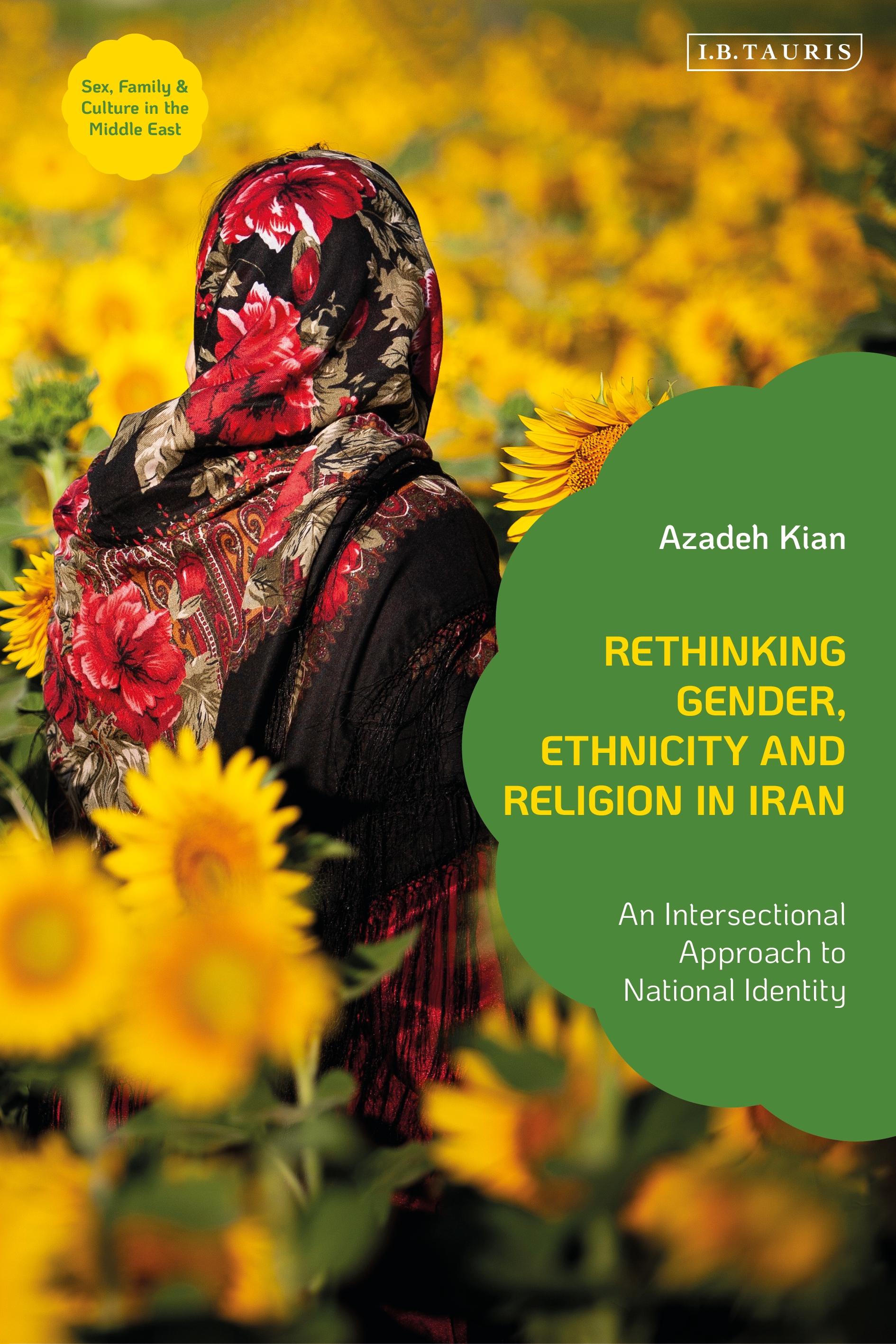
Covering the Pahlavi modern nation-state as well as the Islamic regime, this book examines the crucial shifts that affected Sunnite and subaltern women once Shi'ism became the state religion after the Iranian Revolution.
Focusing on women in the Baluchistan and Golestan provinces of Iran, Azadeh Kian analyses and explores issues of cultural racialization, ethno-centrism, Shi'a centrism, and patriarchal and chauvinistic ideologies in Iranian society propagated by the state and sustained by its policies. Based on quantitative and qualitative surveys taken throughout Iran, comprised of over 7,000 married women and 100 interviews with a sample of Sunnite and subaltern Persian women, Kian reveals how social hierarchy and power relations based on gender, class, ethnicity and religion operate. She argues that women have been at the heart of the process of national and ethnic re-construction as women, as potential mothers, are expected to reproduce national and ethnic boundaries. Kian argues that by examining the family institution as a site of power, analysing family dynamics as well as women's everyday lives, the politics of ordinary Iranians and the relationship between state and society can be better understood. Kian argues that the time is ripe to achieve a non-hegemonic definition of Iranian national identity, through acknowledgement of gender, class, ethnic, and religious diversity and plurality of experiences of oppression and injustice.
Covering the Pahlavi modern nation-state as well as the Islamic regime, this book examines the crucial shifts that affected Sunnite and subaltern women once Shi'ism became the state religion after the Iranian Revolution.
Focusing on women in the Baluchistan and Golestan provinces of Iran, Azadeh Kian analyses and explores issues of cultural racialization, ethno-centrism, Shi'a centrism, and patriarchal and chauvinistic ideologies in Iranian society propagated by the state and sustained by its policies. Based on quantitative and qualitative surveys taken throughout Iran, comprised of over 7,000 married women and 100 interviews with a sample of Sunnite and subaltern Persian women, Kian reveals how social hierarchy and power relations based on gender, class, ethnicity and religion operate. She argues that women have been at the heart of the process of national and ethnic re-construction as women, as potential mothers, are expected to reproduce national and ethnic boundaries. Kian argues that by examining the family institution as a site of power, analysing family dynamics as well as women's everyday lives, the politics of ordinary Iranians and the relationship between state and society can be better understood. Kian argues that the time is ripe to achieve a non-hegemonic definition of Iranian national identity, through acknowledgement of gender, class, ethnic, and religious diversity and plurality of experiences of oppression and injustice.
Betal nemt med kort, Klarna, Apple Pay eller Google Pay. Ikke tilfreds? Du har altid 14 dages fortrydelsesret. Læs mere i vores vilkår. Har du spørgsmål, så send os en mail på hello@memmo.org.
Memmo gør det nemmere at studere – uanset hvor du er i verden. Hos os samler du dine kursusbøger og smarte studieværktøjer ét sted: resuméer, quizzer, podcasts og flashcards. Og så er der Ted, din studieven, der svarer på alt, du undrer dig over. Over 50 000 studerende studerer allerede her – bygget til at hjælpe dig med at lære hurtigere og stresse mindre.