
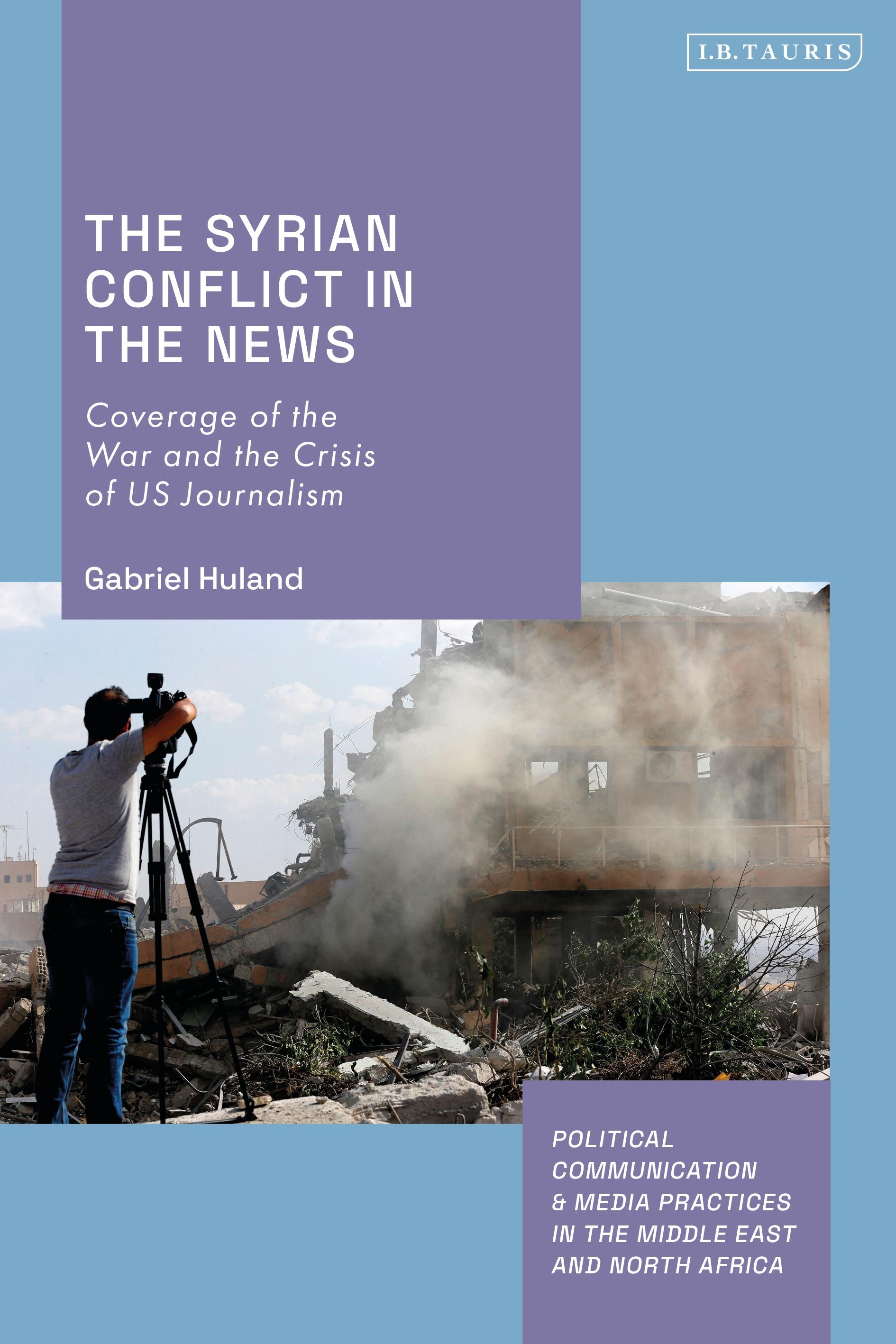
The Syrian conflict constitutes one of the most covered events in this century. Although the coverage of the Syrian uprising and civil war alternated between periods of saturation and silence, it is indisputable that they received an enormous amount of media attention. The Syrian Conflict in the News analyses the coverage of the Syrian conflict in the New York Times, the Washington Post, and the Wall Street Journal, focusing on how the three newspapers framed six key events in Syria from March 2011 to April 2018, including the Ghouta chemical attack, the Russian intervention in Syria and US-led airstrikes. Gabriel Huland argues that US foreign policy dominates the frames of the conflict, which suggests that mainstream newspapers are excessively indexed to elite narratives. In the United States, the Syrian crisis prompted an intense debate about the appropriate degree of US involvement in the civil war and how the country should behave in the face of growing Russian and Iranian influence in the Middle East. The overreliance on elite narratives resulted in the underrepresentation of local voices and other players who were in a more advantaged position to devise solutions to the conflict. By analysing the frames of the Syrian uprising and civil war in three mainstream newspapers and the relationship between media and international conflicts, The Syrian Conflict in the News sheds light on crucial aspects of the crisis currently pervading US journalism.
Betal nemt med kort, Klarna, Apple Pay eller Google Pay. Ikke tilfreds? Du har altid 14 dages fortrydelsesret. Læs mere i vores vilkår. Har du spørgsmål, så send os en mail på hello@memmo.org.
Memmo gør det nemmere at studere – uanset hvor du er i verden. Hos os samler du dine kursusbøger og smarte studieværktøjer ét sted: resuméer, quizzer, podcasts og flashcards. Og så er der Ted, din studieven, der svarer på alt, du undrer dig over. Over 50 000 studerende studerer allerede her – bygget til at hjælpe dig med at lære hurtigere og stresse mindre.