
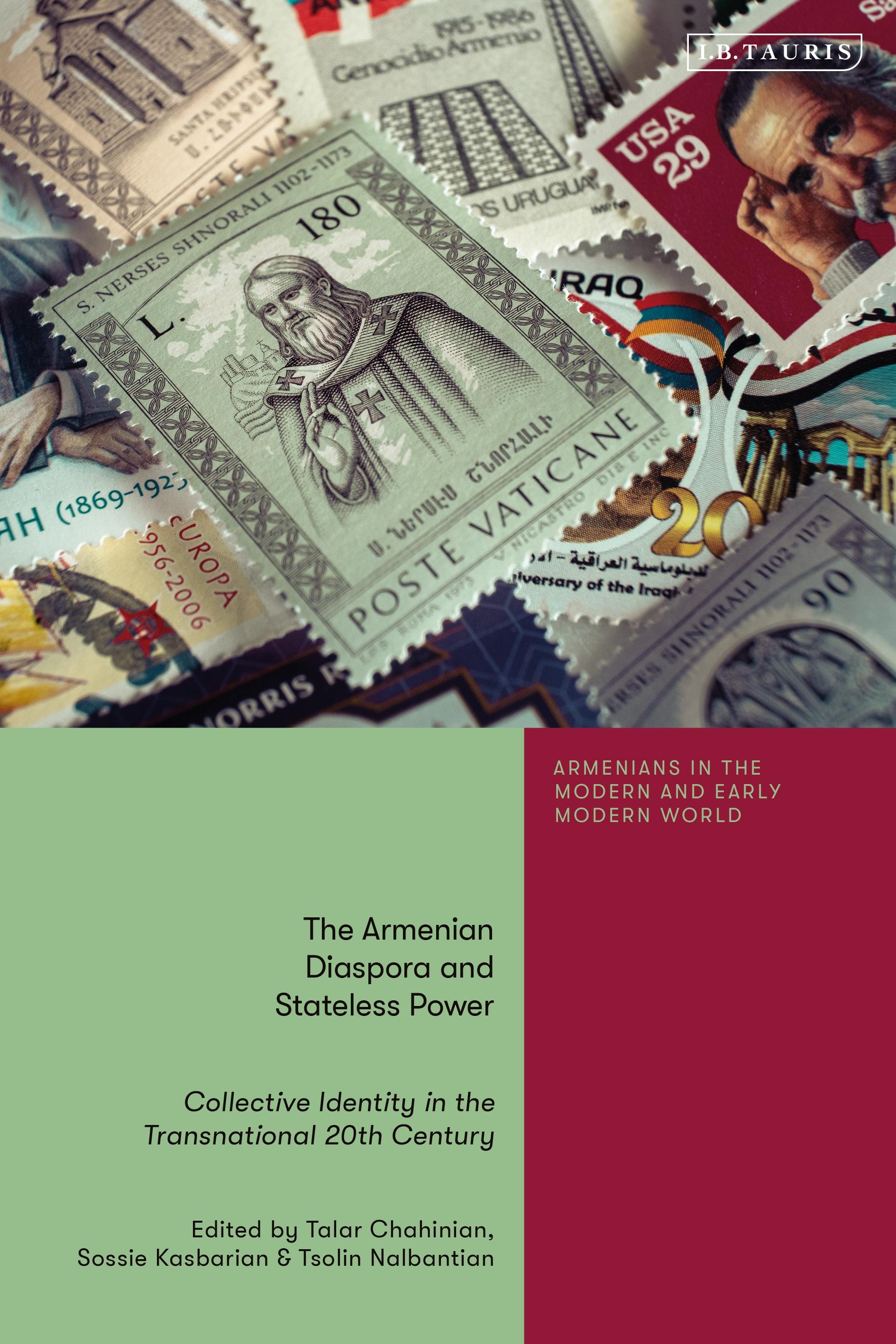
From genocide, forced displacement, and emigration, to the gradual establishment of sedentary and rooted global communities, how has the Armenian diaspora formed and maintained a sense of collective identity? This book explores the richness and magnitude of the Armenian experience through the 20th century to examine how Armenian diaspora elites and their institutions emerged in the post-genocide period and used “stateless power” to compose forms of social discipline. Historians, cultural theorists, literary critics, sociologists, political scientists, and anthropologists explore how national and transnational institutions were built in far-flung sites from Istanbul, Aleppo, Beirut and Jerusalem to Paris, Los Angeles, and the American mid-west. Exploring literary and cultural production as well as the role of religious institutions, the book probes the history and experience of the Armenian diaspora through the long 20th century, from the role of the fin-de-siècle émigré Armenian press to the experience of Syrian-Armenian asylum seekers in the 21st century. It shows that a diaspora's statelessness can not only be evidence of its power, but also how this “stateless power” acts as an alternative and complement to the nation-state.
Sider: 328
Kategori: Statsvetenskap & Politik
e-ISBN: 9780755648238
Forsendelsesvægt: 1.2 kg
Sendes inden for: 1-2 dage
Betal nemt med kort, Klarna, Apple Pay eller Google Pay. Ikke tilfreds? Du har altid 14 dages fortrydelsesret. Læs mere i vores vilkår. Har du spørgsmål, så send os en mail på hello@memmo.org.
Memmo gør det nemmere at studere – uanset hvor du er i verden. Hos os samler du dine kursusbøger og smarte studieværktøjer ét sted: resuméer, quizzer, podcasts og flashcards. Og så er der Ted, din studieven, der svarer på alt, du undrer dig over. Over 50 000 studerende studerer allerede her – bygget til at hjælpe dig med at lære hurtigere og stresse mindre.