
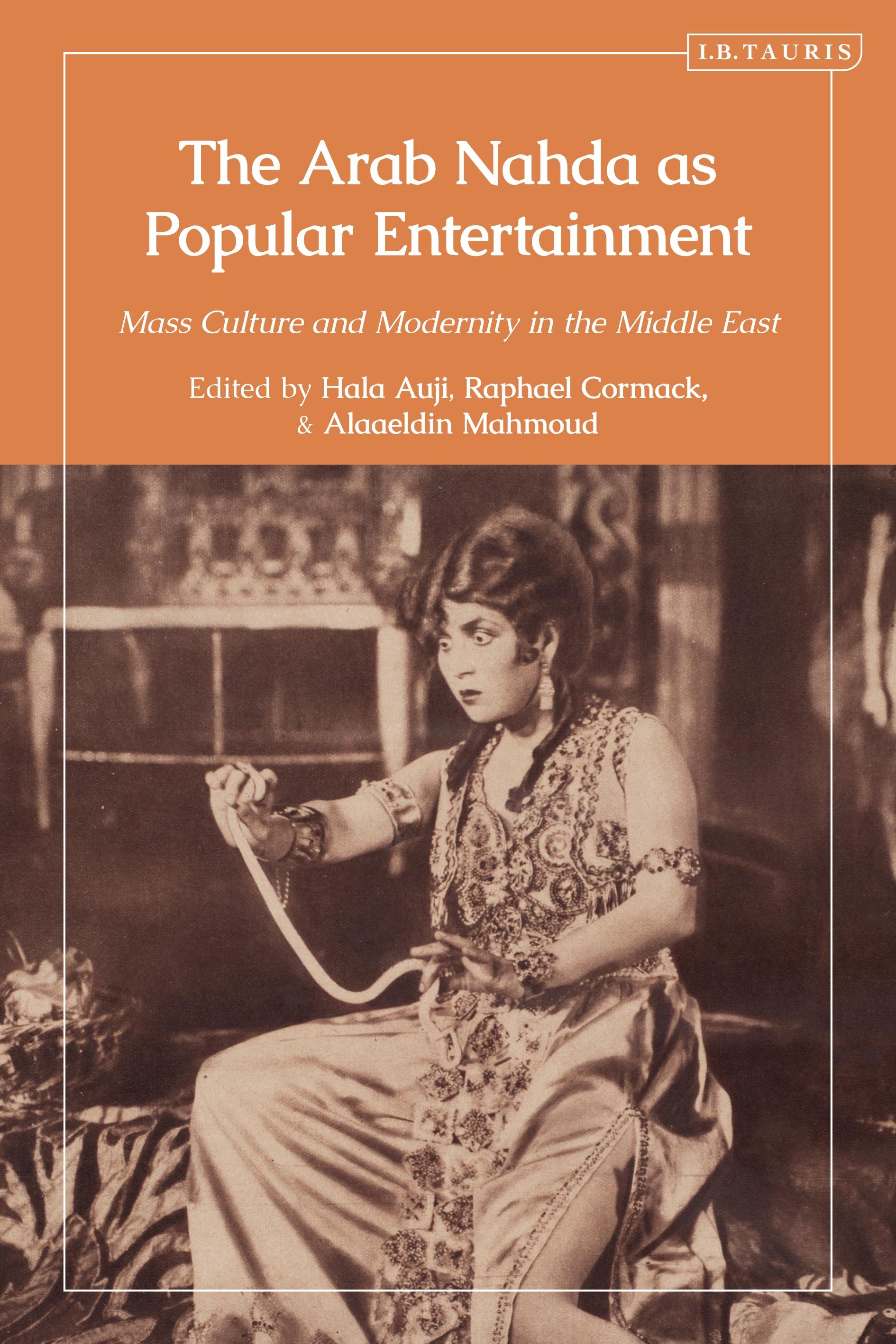
What was popular entertainment like for everyday Arab societies in Middle Eastern cities during the long nineteenth century? In what ways did café culture, theatre, illustrated periodicals, cinema, cabarets, and festivals serve as key forms of popular entertainment for Arabic-speaking audiences, many of whom were uneducated and striving to contend with modernity's anxiety-inducing realities? Studies on the 19th to mid-20th century's transformative cultural movement known as the Arab nahda (renaissance), have largely focussed on concerns with nationalism, secularism, and language, often told from the perspective of privileged groups. Highlighting overlooked aspects of this movement, this book shifts the focus away from elite circles to quotidian audiences. Its ten contributions range in scope, from music and visual media to theatre and popular fiction. Paying special attention to networks of movement and exchange across Arab societies in Lebanon, Syria, Egypt, Iraq, and Morocco, this book heeds the call for 'translocal/transnational' cultural histories, while contributing to timely global studies on gender, sexuality, and morality. Focusing on the often-marginalized frequenters of cafés, artist studios, cinemas, nightclubs, and the streets, it expands the remit of who participated in the nahda and how they did.
Betal nemt med kort, Klarna, Apple Pay eller Google Pay. Ikke tilfreds? Du har altid 14 dages fortrydelsesret. Læs mere i vores vilkår. Har du spørgsmål, så send os en mail på hello@memmo.org.
Memmo gør det nemmere at studere – uanset hvor du er i verden. Hos os samler du dine kursusbøger og smarte studieværktøjer ét sted: resuméer, quizzer, podcasts og flashcards. Og så er der Ted, din studieven, der svarer på alt, du undrer dig over. Over 50 000 studerende studerer allerede her – bygget til at hjælpe dig med at lære hurtigere og stresse mindre.