
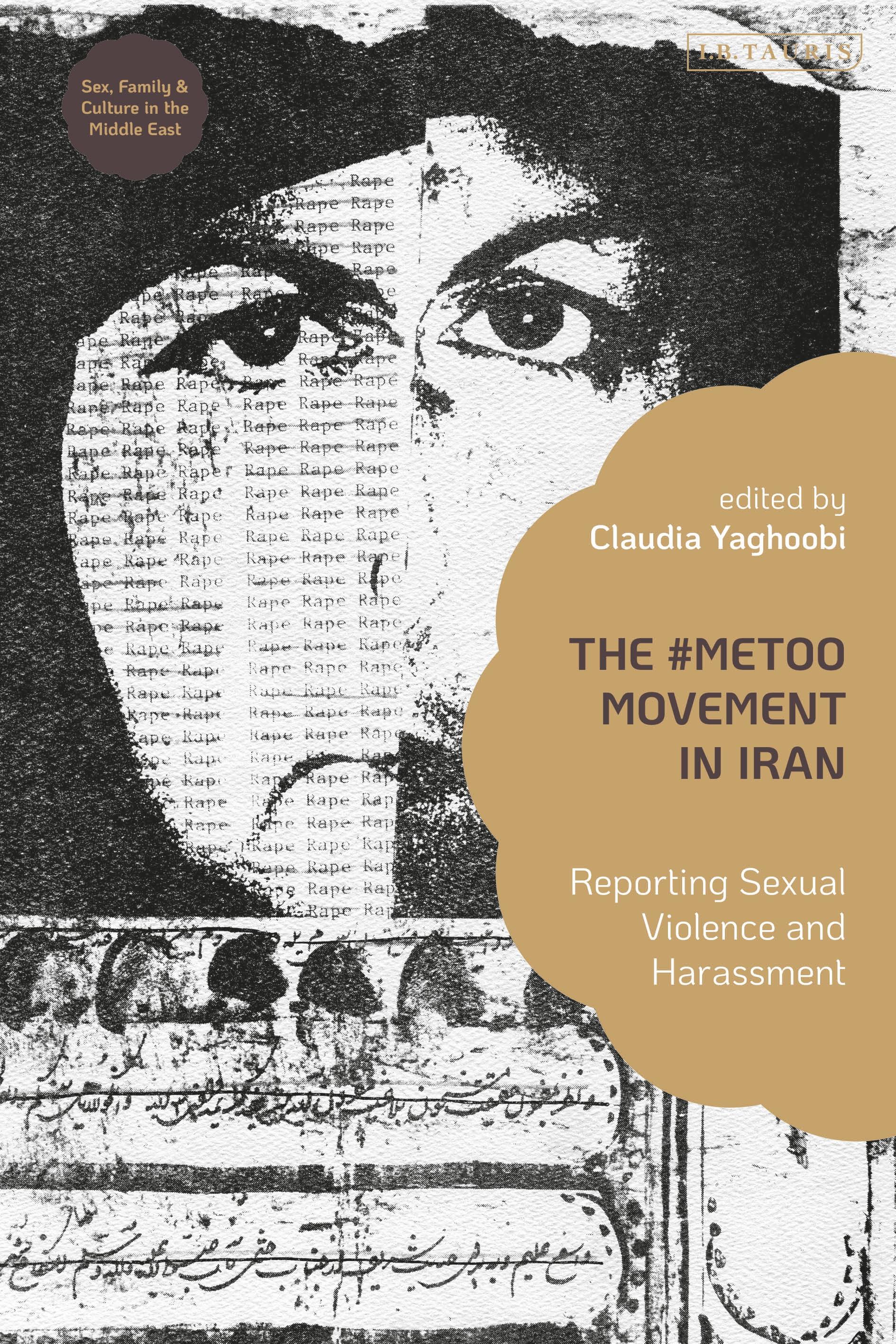
The Iranian #MeToo movement was a crucial form of resistance, with ordinary Iranian women sharing their experiences of sexual harassment and assault in the public sphere of digital media. This is the first book of its kind providing a comprehensive analysis of the Iranian #MeToo movement.
Based on archival, empirical, ethnographic, literary and cultural research, the contributors discuss the abuse of women and society's responses to it. Contextualizing the historical framework of Iranian MeToo activism within larger Iranian feminist movements, as well as the historical background within the context of Middle East, the contributors address how the privileged position of men who have been outed as rapists, helps them to aggregate social, political, sexual, and economic capital through various networks in order to delegitimize the narratives of survivors. The volume also covers the intersections of various systems of oppression specifically highlighting marginalized voices. The contributors highlight the power dynamics within digital feminist networks in Iran and its unique attributes due to political, social, and religious structures. The volume ends with a chapter focusing on cultural productions, specifically cinematic works, through which some filmmakers have challenged normalizations of
sexual harassment by offering alternative discourses which have arguably paved the way for the #MeToo in Iran movement.
Based on archival, empirical, ethnographic, literary and cultural research, the contributors discuss the abuse of women and society's responses to it. Contextualizing the historical framework of Iranian MeToo activism within larger Iranian feminist movements, as well as the historical background within the context of Middle East, the contributors address how the privileged position of men who have been outed as rapists, helps them to aggregate social, political, sexual, and economic capital through various networks in order to delegitimize the narratives of survivors. The volume also covers the intersections of various systems of oppression specifically highlighting marginalized voices. The contributors highlight the power dynamics within digital feminist networks in Iran and its unique attributes due to political, social, and religious structures. The volume ends with a chapter focusing on cultural productions, specifically cinematic works, through which some filmmakers have challenged normalizations of
sexual harassment by offering alternative discourses which have arguably paved the way for the #MeToo in Iran movement.
Betal nemt med kort, Klarna, Apple Pay eller Google Pay. Ikke tilfreds? Du har altid 14 dages fortrydelsesret. Læs mere i vores vilkår. Har du spørgsmål, så send os en mail på hello@memmo.org.
Memmo gør det nemmere at studere – uanset hvor du er i verden. Hos os samler du dine kursusbøger og smarte studieværktøjer ét sted: resuméer, quizzer, podcasts og flashcards. Og så er der Ted, din studieven, der svarer på alt, du undrer dig over. Over 50 000 studerende studerer allerede her – bygget til at hjælpe dig med at lære hurtigere og stresse mindre.