
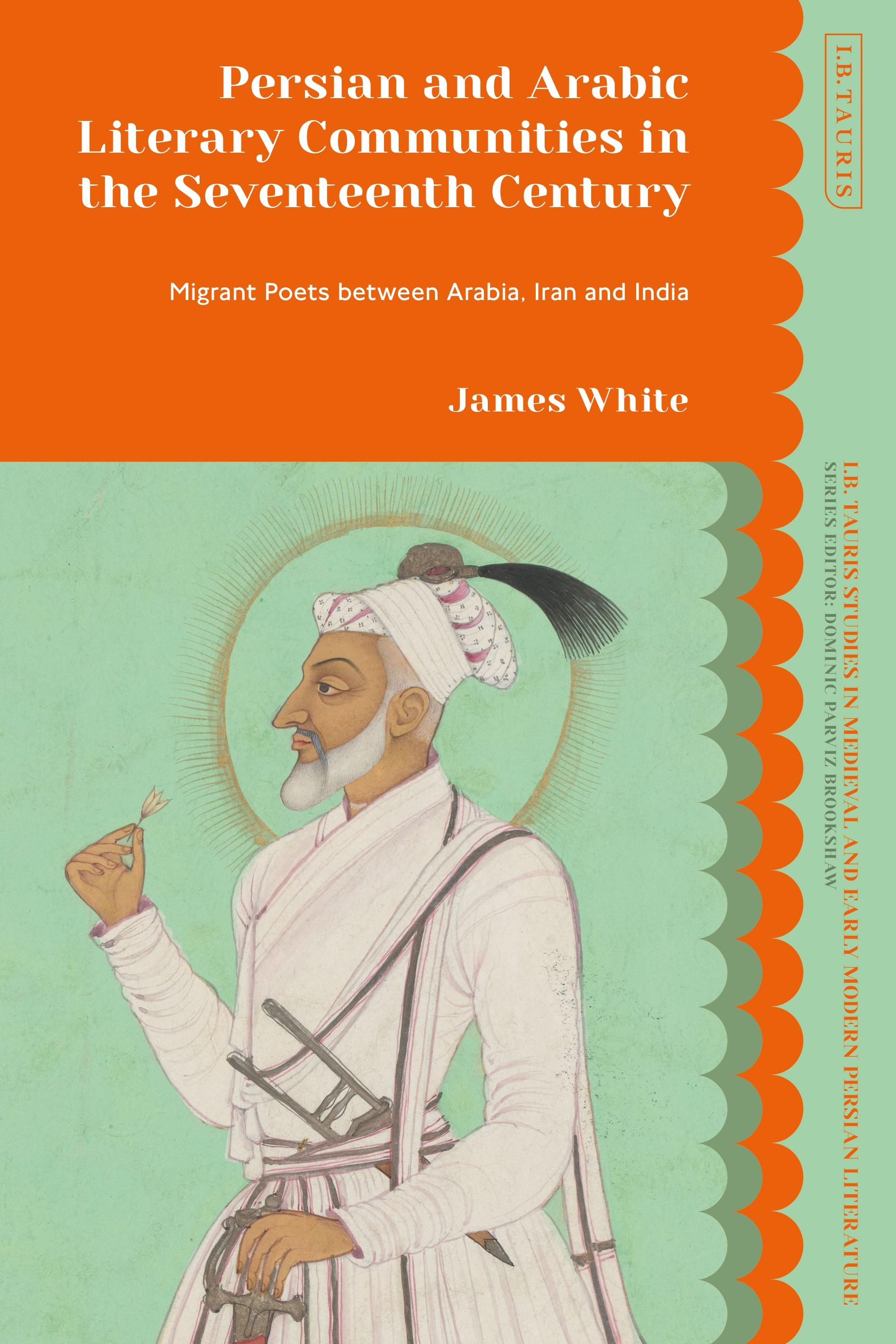
Shortlisted for the 2024 British-Kuwait Friendship Society Book Prize
A wealth of scholarship has highlighted how commercial, political and religious networks expanded across the Arabian Sea during the seventeenth century, as merchants from South Asia traded goods in the ports of Yemen, noblemen from Safavid Iran established themselves in the courts of the Mughal Empire, and scholars from across the region came together to debate the Islamic sciences in the Arabian Peninsula's holy cities of Mecca and Medina. This book demonstrates that the globalising tendency of migration created worldly literary systems which linked Iran, India and the Arabian Peninsula through the production and circulation of classicizing Arabic and Persian poetry. By close reading over seventy unstudied manuscripts of seventeenth-century Arabic and Persian poetry that have remained hidden on the shelves of libraries in India, Iran, Turkey and Europe, the book examines how migrant poets adapted shared poetic forms, imagery and rhetoric to engage with their interlocutors and create communities in the cities where they settled. The book begins by reconstructing overarching patterns in the movement of over a thousand authors, and the economic basis for their migration, before focusing on six case studies of literary communities, which each represent a different location in the circulatory system of the Arabian Sea. In so doing, the book demonstrates the plurality of seventeenth-century aesthetic movements, a diversity which later nationalisms purposefully simplified and misread.
A wealth of scholarship has highlighted how commercial, political and religious networks expanded across the Arabian Sea during the seventeenth century, as merchants from South Asia traded goods in the ports of Yemen, noblemen from Safavid Iran established themselves in the courts of the Mughal Empire, and scholars from across the region came together to debate the Islamic sciences in the Arabian Peninsula's holy cities of Mecca and Medina. This book demonstrates that the globalising tendency of migration created worldly literary systems which linked Iran, India and the Arabian Peninsula through the production and circulation of classicizing Arabic and Persian poetry. By close reading over seventy unstudied manuscripts of seventeenth-century Arabic and Persian poetry that have remained hidden on the shelves of libraries in India, Iran, Turkey and Europe, the book examines how migrant poets adapted shared poetic forms, imagery and rhetoric to engage with their interlocutors and create communities in the cities where they settled. The book begins by reconstructing overarching patterns in the movement of over a thousand authors, and the economic basis for their migration, before focusing on six case studies of literary communities, which each represent a different location in the circulatory system of the Arabian Sea. In so doing, the book demonstrates the plurality of seventeenth-century aesthetic movements, a diversity which later nationalisms purposefully simplified and misread.
Sider: 272
Kategori: Litteraturvetenskap & Teori
e-ISBN: 9780755644582
Forsendelsesvægt: 1.2 kg
Sendes inden for: 1-2 dage
Betal nemt med kort, Klarna, Apple Pay eller Google Pay. Ikke tilfreds? Du har altid 14 dages fortrydelsesret. Læs mere i vores vilkår. Har du spørgsmål, så send os en mail på hello@memmo.org.
Memmo gør det nemmere at studere – uanset hvor du er i verden. Hos os samler du dine kursusbøger og smarte studieværktøjer ét sted: resuméer, quizzer, podcasts og flashcards. Og så er der Ted, din studieven, der svarer på alt, du undrer dig over. Over 50 000 studerende studerer allerede her – bygget til at hjælpe dig med at lære hurtigere og stresse mindre.