
WINNER OF THE 2023 MIDDLE EAST LIBRARIANS ASSOCIATION BOOK AWARD.
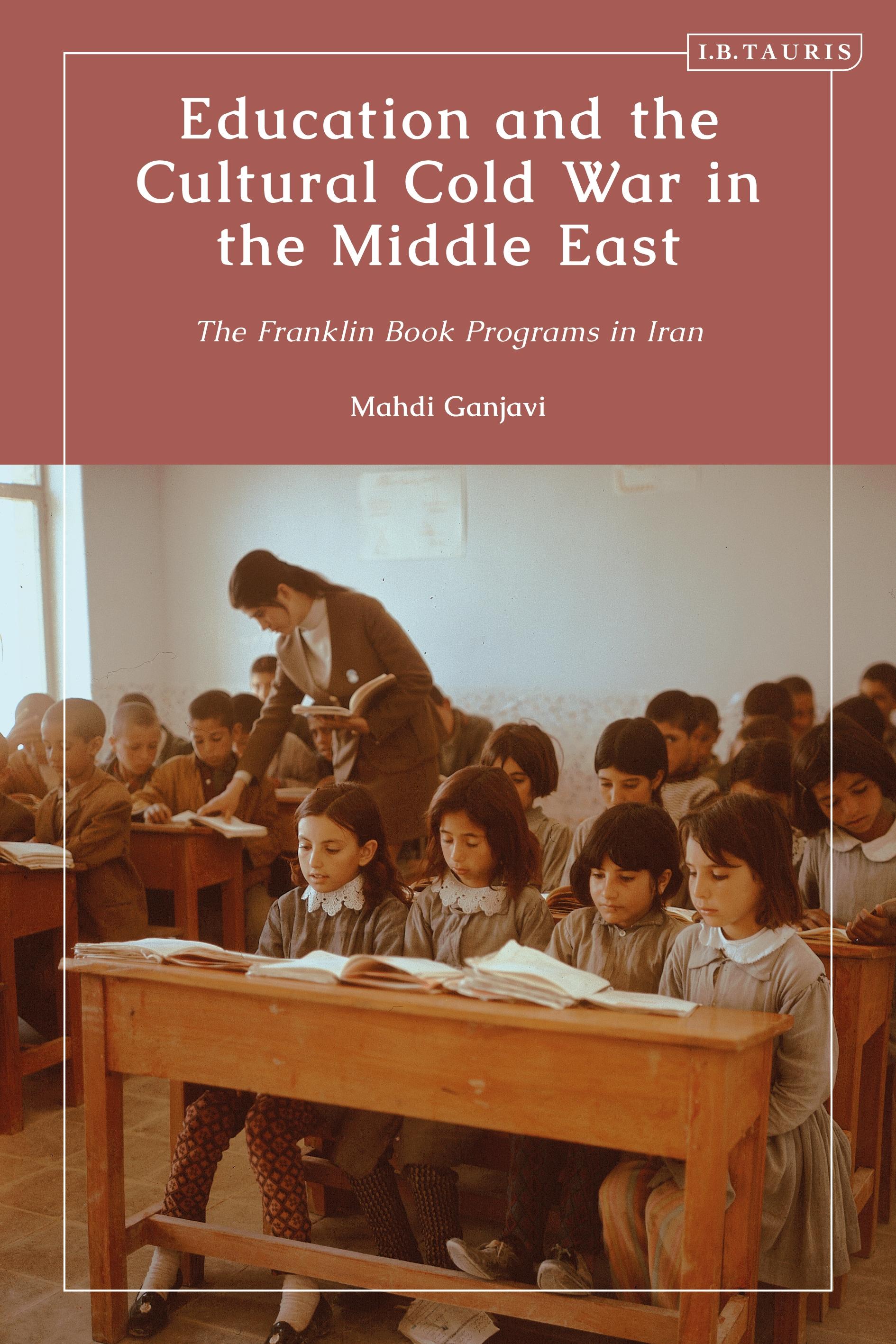
The Franklin Book Programs (FBP) was a private not-for-profit U.S. organization founded in 1952 during the Cold War and was subsidized by the United States' government agencies as well as private corporations. The FBP was initially intended to promote U.S. liberal values, combat Soviet influence and to create appropriate markets for U.S. books in 'Third World' of which the Middle East was an important part, but evolved into an international educational program publishing university textbooks, schoolbooks, and supplementary readings. In Iran, working closely with the Pahlavi regime, its activities included the development of printing, publishing, book distribution, and bookselling institutions.
This book uses archival sources from the FBP, US intelligence agencies and in Iran, to piece together this relationship. Put in the context of wider cultural diplomacy projects operated by the US, it reveals the extent to which the programme shaped Iran's educational system. Together the history of the FBP, its complex network of state and private sector, the role of U.S. librarians, publishers, and academics, and the joint projects the FBP organized in several countries with the help of national ministries of education, financed by U.S. Department of State and U.S. foundations, sheds new light on the long history of education in imperialist social orders, in the context here of the ongoing struggle for influence in the Cold War.
The Franklin Book Programs (FBP) was a private not-for-profit U.S. organization founded in 1952 during the Cold War and was subsidized by the United States' government agencies as well as private corporations. The FBP was initially intended to promote U.S. liberal values, combat Soviet influence and to create appropriate markets for U.S. books in 'Third World' of which the Middle East was an important part, but evolved into an international educational program publishing university textbooks, schoolbooks, and supplementary readings. In Iran, working closely with the Pahlavi regime, its activities included the development of printing, publishing, book distribution, and bookselling institutions.
This book uses archival sources from the FBP, US intelligence agencies and in Iran, to piece together this relationship. Put in the context of wider cultural diplomacy projects operated by the US, it reveals the extent to which the programme shaped Iran's educational system. Together the history of the FBP, its complex network of state and private sector, the role of U.S. librarians, publishers, and academics, and the joint projects the FBP organized in several countries with the help of national ministries of education, financed by U.S. Department of State and U.S. foundations, sheds new light on the long history of education in imperialist social orders, in the context here of the ongoing struggle for influence in the Cold War.
Betal nemt med kort, Klarna, Apple Pay eller Google Pay. Ikke tilfreds? Du har altid 14 dages fortrydelsesret. Læs mere i vores vilkår. Har du spørgsmål, så send os en mail på hello@memmo.org.
Memmo gør det nemmere at studere – uanset hvor du er i verden. Hos os samler du dine kursusbøger og smarte studieværktøjer ét sted: resuméer, quizzer, podcasts og flashcards. Og så er der Ted, din studieven, der svarer på alt, du undrer dig over. Over 50 000 studerende studerer allerede her – bygget til at hjælpe dig med at lære hurtigere og stresse mindre.