
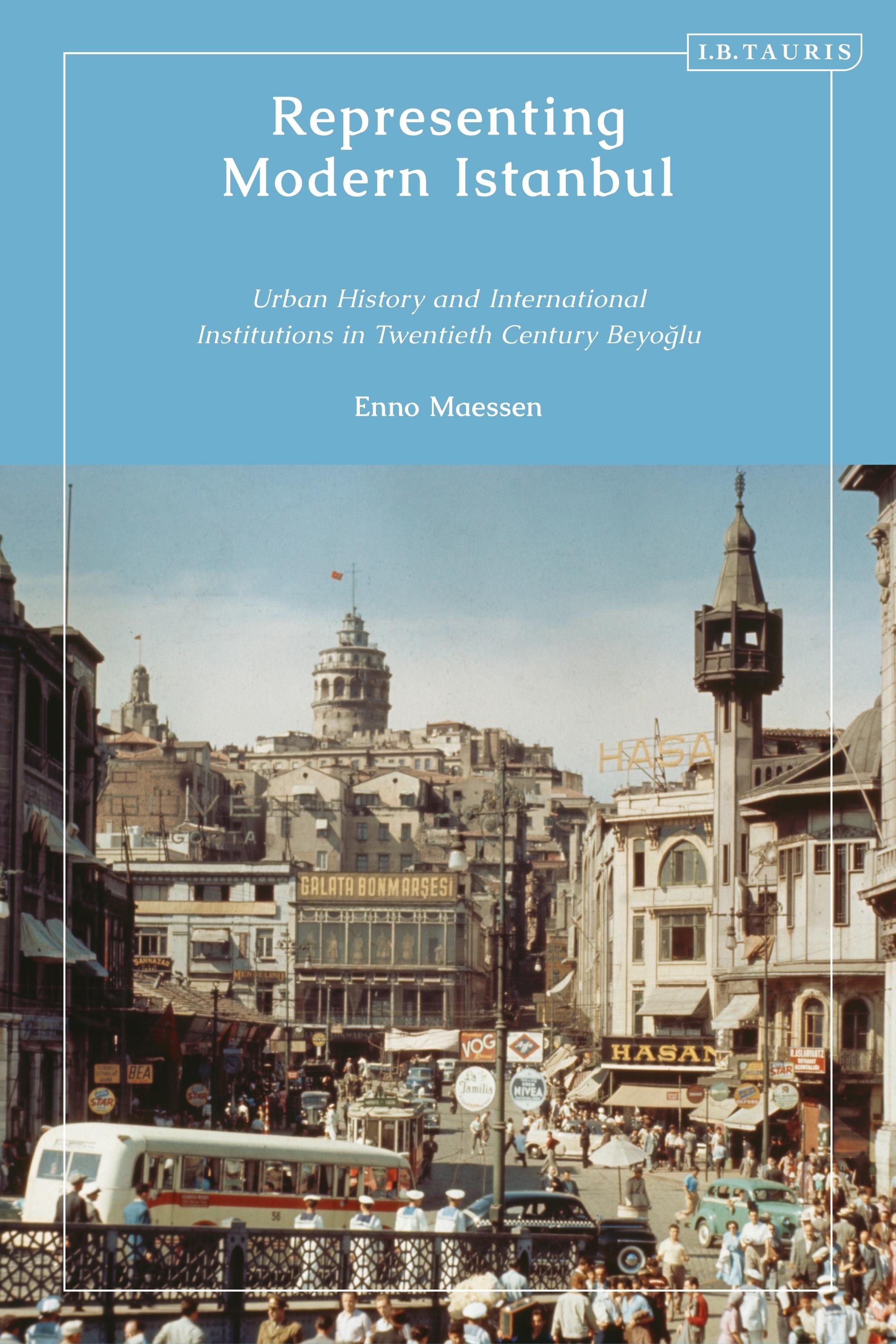
Following the collapse of the Ottoman Empire, Istanbul would lose its position as capital yet remain a crucial urban centre in the new Turkish republic. Since the 1950s it has undergone a metamorphosis from a mid-sized city to a megapolis. Beyoglu, historically represented as its most 'cosmopolitan' district and home to European embassies and cultural institutions, is a microcosm of these changes. This book explores the urban history of Beyoglu via a series of case studies which use previously unexamined archival material to tell the story of its local and international institutions. From the German Teutonia club and a centre point of Turkey's cinema culture to influential francophone, British and German schools which educated many of Turkey's future elite, the book charts the shifting identities of the residents of the district. These case studies reveal the effects of changing political circumstances, from the rise of nationalism to Turkey's place in the Cold War, as well as critically examining Beyoglu's legacy as a multicultural centre. In the process, the book reveals a picture of resilience, cross-cultural contact and provides an important contribution to our understanding of present-day and historical Istanbul and Beyoglu.
Betal nemt med kort, Klarna, Apple Pay eller Google Pay. Ikke tilfreds? Du har altid 14 dages fortrydelsesret. Læs mere i vores vilkår. Har du spørgsmål, så send os en mail på hello@memmo.org.
Memmo gør det nemmere at studere – uanset hvor du er i verden. Hos os samler du dine kursusbøger og smarte studieværktøjer ét sted: resuméer, quizzer, podcasts og flashcards. Og så er der Ted, din studieven, der svarer på alt, du undrer dig over. Over 50 000 studerende studerer allerede her – bygget til at hjælpe dig med at lære hurtigere og stresse mindre.