
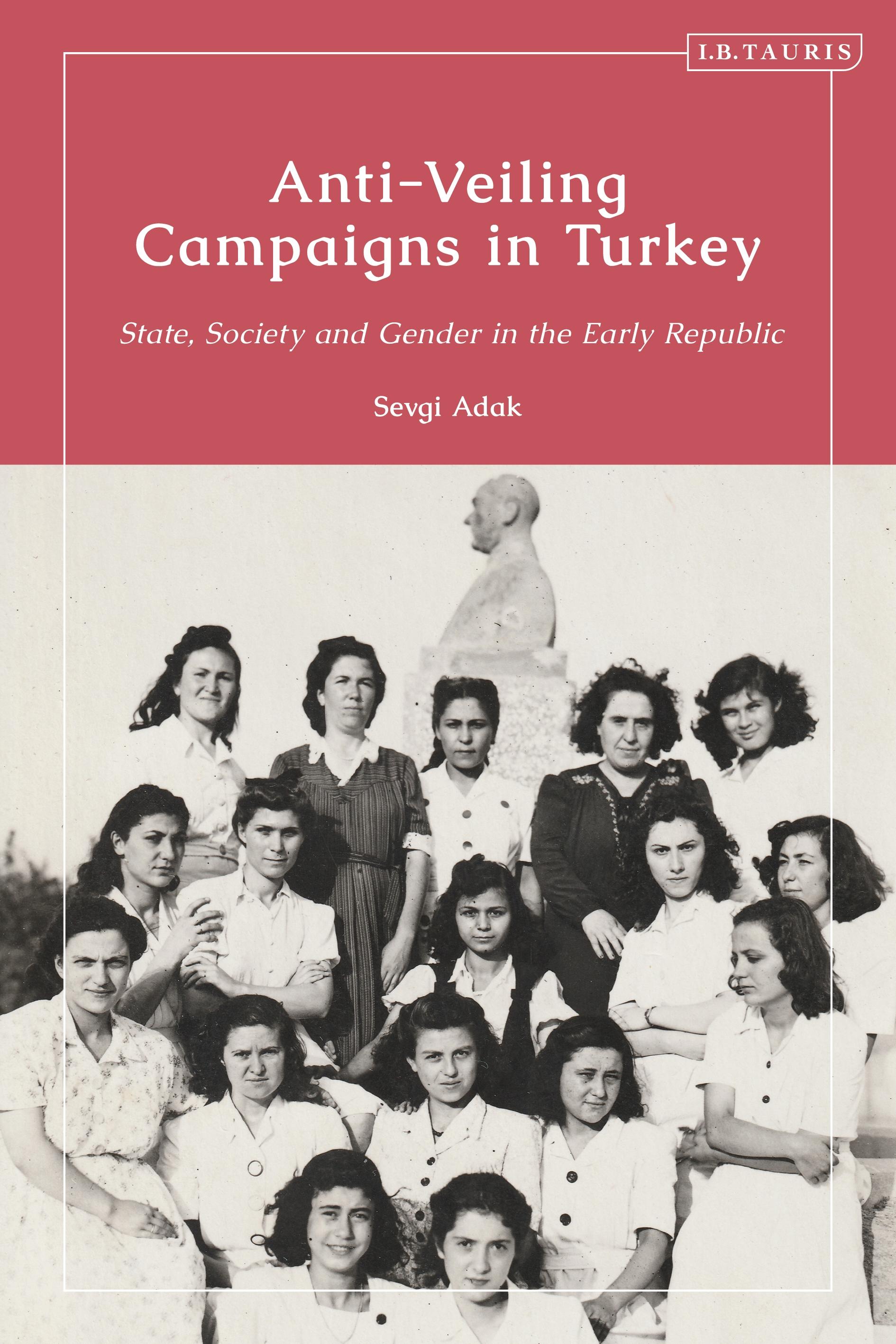
The veiling and unveiling of women have been controversial issues in Turkey since the late-Ottoman period. It was with the advent of local campaigns against certain veils in the 1930s, however, that women's dress turned into an issue of national mobilisation in which gender norms would be redefined. In this comprehensive analysis of the anti-veiling campaigns in interwar Turkey, Sevgi Adak casts light onto the historical context within which the meanings of veiling and unveiling in Turkey were formed. By shifting the focus from the high politics of the elite to the implementation of state policies, the book situates the anti-veiling campaigns as a space where the Kemalist reforms were negotiated, compromised and resisted by societal actors. Using previously unpublished archival material, Adak reveals the intricacies of the Kemalist modernisation process and provides a nuanced reading of the gender order established in the early republic by looking at the various ways women responded to the anti-veiling campaigns. A major contribution to the literature on the social history of modern Turkey, the book provides a complex analysis of these campaigns which goes beyond a simple binary between liberation and oppression.
Betal nemt med kort, Klarna, Apple Pay eller Google Pay. Ikke tilfreds? Du har altid 14 dages fortrydelsesret. Læs mere i vores vilkår. Har du spørgsmål, så send os en mail på hello@memmo.org.
Memmo gør det nemmere at studere – uanset hvor du er i verden. Hos os samler du dine kursusbøger og smarte studieværktøjer ét sted: resuméer, quizzer, podcasts og flashcards. Og så er der Ted, din studieven, der svarer på alt, du undrer dig over. Over 50 000 studerende studerer allerede her – bygget til at hjælpe dig med at lære hurtigere og stresse mindre.