
I.B. Tauris in association with the Institute of Ismaili Studies
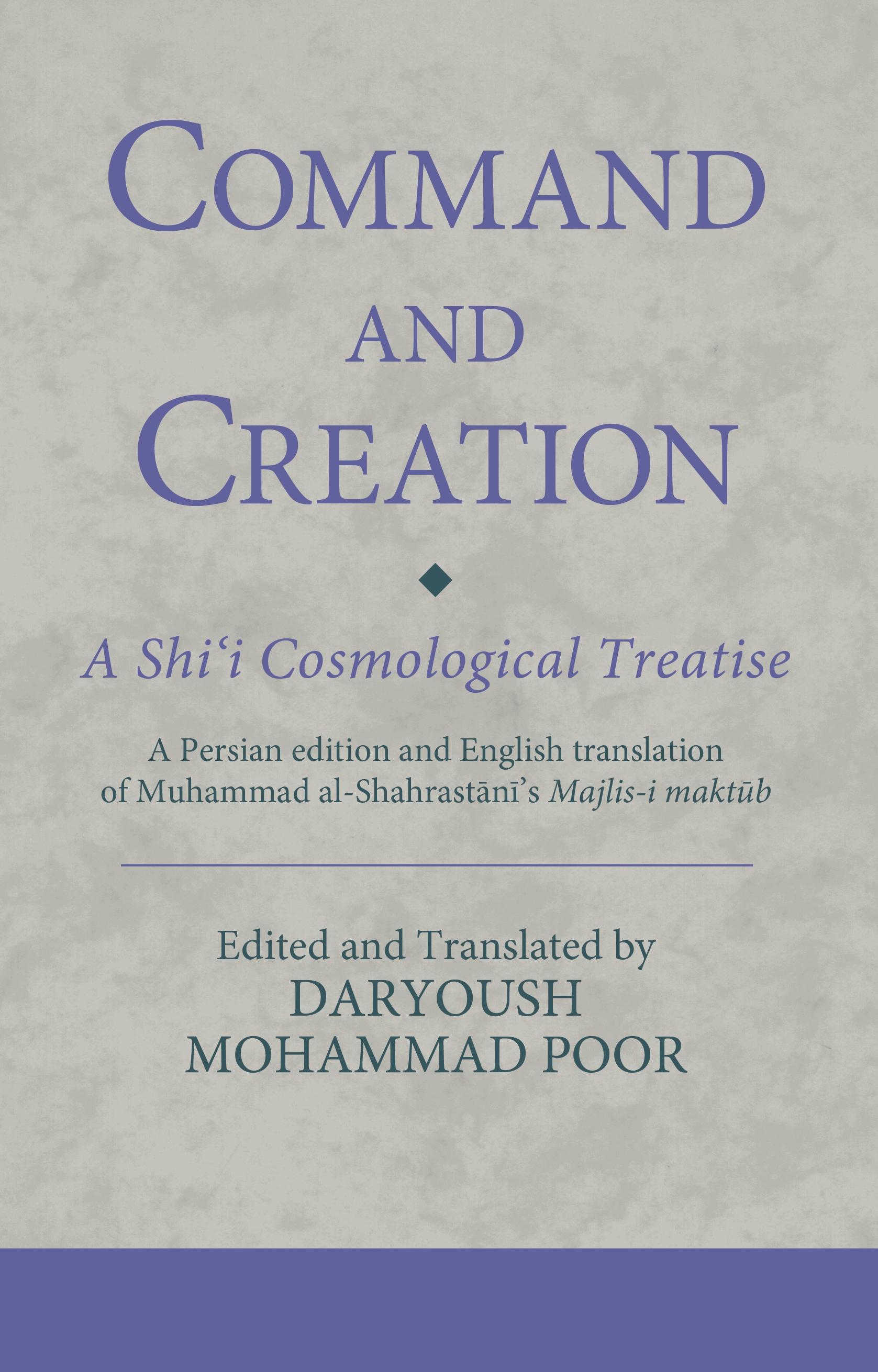
Among the considerable oeuvre of Muhammad al-Shahrastani (1086–1153), the prominent Persian theologian and heresiographer, the Majlis-i maktub ('The Transcribed Sermon') is his only known work in Persian. First delivered as a sermon in Khwarazm in Central Asia, this treatise invokes the theme of creation and command, providing an esoteric cosmological narrative where faith, revelation, prophecy and the spiritual authority of the Household of the Prophet are interwoven. The Majlis-i maktub further discusses themes such as the evolution of religious law (shari'at) and its culmination in the qiyamat (resurrection), the relation between free will and predestination, the interplay between the exoteric and esoteric aspects of faith, and the role and function of the Shi?i Imams in the cosmological narrative.
This treatise is arguably the most dense expression of al-Shahrastani's thought, and it demonstrably indicates the Ismaili inclination of this Muslim scholar who has usually been regarded as a Shafi'i-Ash'ari. Daryoush Mohammad Poor's comparative study of this treatise and the corpus of Nizari Ismaili literature from the Alamut period (1090–1256) reveals the massive impact of al-Shahrastani's thought on every aspect of the doctrines of Nizari Ismailis.
Among the considerable oeuvre of Muhammad al-Shahrastani (1086–1153), the prominent Persian theologian and heresiographer, the Majlis-i maktub ('The Transcribed Sermon') is his only known work in Persian. First delivered as a sermon in Khwarazm in Central Asia, this treatise invokes the theme of creation and command, providing an esoteric cosmological narrative where faith, revelation, prophecy and the spiritual authority of the Household of the Prophet are interwoven. The Majlis-i maktub further discusses themes such as the evolution of religious law (shari'at) and its culmination in the qiyamat (resurrection), the relation between free will and predestination, the interplay between the exoteric and esoteric aspects of faith, and the role and function of the Shi?i Imams in the cosmological narrative.
This treatise is arguably the most dense expression of al-Shahrastani's thought, and it demonstrably indicates the Ismaili inclination of this Muslim scholar who has usually been regarded as a Shafi'i-Ash'ari. Daryoush Mohammad Poor's comparative study of this treatise and the corpus of Nizari Ismaili literature from the Alamut period (1090–1256) reveals the massive impact of al-Shahrastani's thought on every aspect of the doctrines of Nizari Ismailis.
Sider: 240
Kategori: Religion & Teologi
e-ISBN: 9780755602995
Forsendelsesvægt: 1.2 kg
Sendes inden for: 1-2 dage
Betal nemt med kort, Klarna, Apple Pay eller Google Pay. Ikke tilfreds? Du har altid 14 dages fortrydelsesret. Læs mere i vores vilkår. Har du spørgsmål, så send os en mail på hello@memmo.org.
Memmo gør det nemmere at studere – uanset hvor du er i verden. Hos os samler du dine kursusbøger og smarte studieværktøjer ét sted: resuméer, quizzer, podcasts og flashcards. Og så er der Ted, din studieven, der svarer på alt, du undrer dig over. Over 50 000 studerende studerer allerede her – bygget til at hjælpe dig med at lære hurtigere og stresse mindre.