
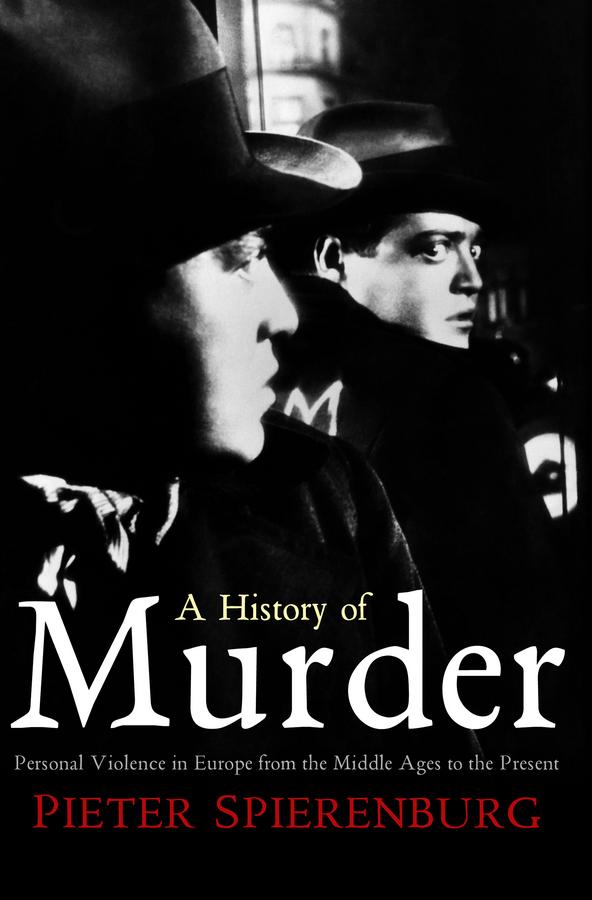
In this original and compelling contribution, Spierenburg sheds new light on several important themes. He looks, for example, at the transformation of homicide from a private matter, followed by revenge or reconciliation, into a public crime, always subject to state intervention. Combining statistical data with a cultural approach, he demonstrates the crucial role gender played in the spiritualisation of male honour and the subsequent reduction of male-on-male aggression, as well as offering a comparative view of how different social classes practised and reacted to violence.
This authoritative study will be of great value to students and scholars of the history of crime and violence, criminology and the sociology of violence. At a time when murder rates are rising and public fears about violent crime are escalating, this book will also interest the general reader intrigued by how our relationship with murder reached this point.
Betal nemt med kort, Klarna, Apple Pay eller Google Pay. Ikke tilfreds? Du har altid 14 dages fortrydelsesret. Læs mere i vores vilkår. Har du spørgsmål, så send os en mail på hello@memmo.org.
Memmo gør det nemmere at studere – uanset hvor du er i verden. Hos os samler du dine kursusbøger og smarte studieværktøjer ét sted: resuméer, quizzer, podcasts og flashcards. Og så er der Ted, din studieven, der svarer på alt, du undrer dig over. Over 50 000 studerende studerer allerede her – bygget til at hjælpe dig med at lære hurtigere og stresse mindre.