
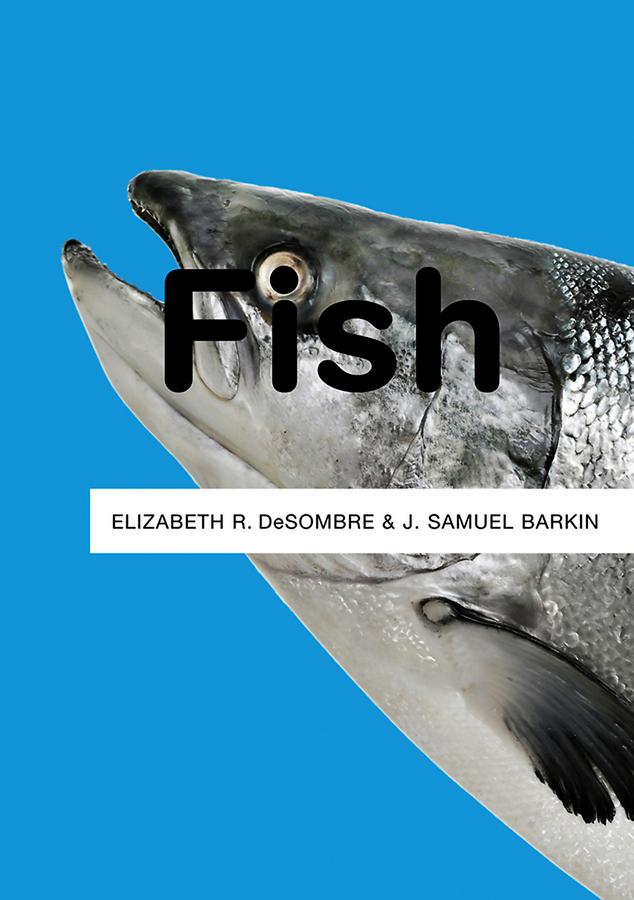
This book explores the causes of the current crisis in the world's fisheries, and what needs to be done to address the situation. It explains the structure of the fishing industry, the incentives that persuade individuals or companies to catch fish at unsustainable levels, and illuminates the problems created by governmental efforts to use fishing policy as a tool for economic development or to win votes in domestic elections. It also looks at the role of aquaculture in either decreasing or increasing the pressure on wild fish stocks.
The dire condition of fish stocks has led governments and consumer organizations to consider new approaches to protect the global supply of fish. DeSombre and Barkin conclude by showing how such methods, along with new forms of international regulation and informed decision-making by consumers, all have an important part to play in rewarding and thus encouraging sustainable fishing behaviour in the future.
Betal nemt med kort, Klarna, Apple Pay eller Google Pay. Ikke tilfreds? Du har altid 14 dages fortrydelsesret. Læs mere i vores vilkår. Har du spørgsmål, så send os en mail på hello@memmo.org.
Memmo gør det nemmere at studere – uanset hvor du er i verden. Hos os samler du dine kursusbøger og smarte studieværktøjer ét sted: resuméer, quizzer, podcasts og flashcards. Og så er der Ted, din studieven, der svarer på alt, du undrer dig over. Over 50 000 studerende studerer allerede her – bygget til at hjælpe dig med at lære hurtigere og stresse mindre.