
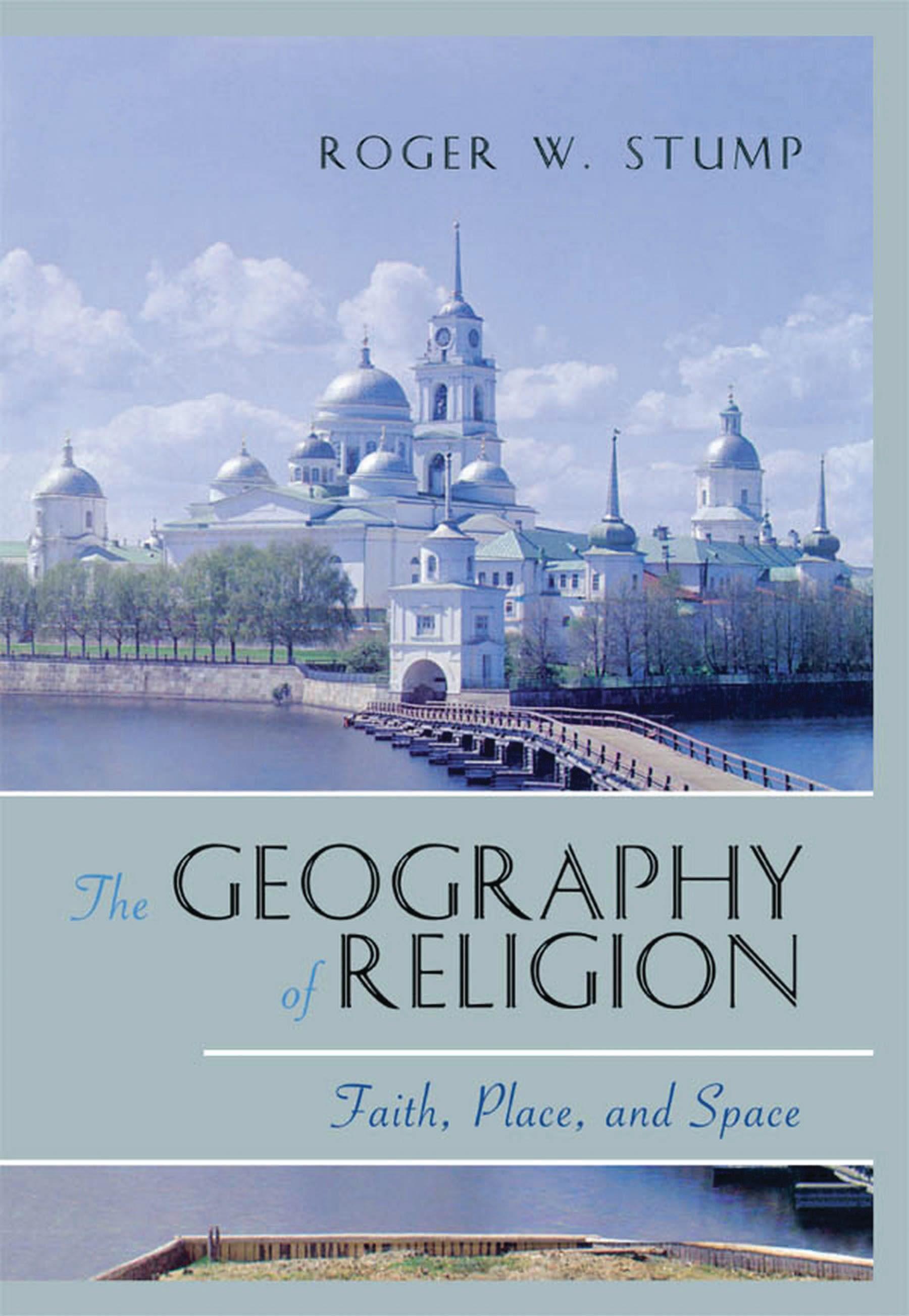
The only book of its kind, this balanced and accessibly written text explores the geographical study of religion. Roger W. Stump presents a clear and meticulous examination of the intersection of religious belief and practice with the concepts of place and space. He begins by analyzing the factors that have shaped the spatial distributions of religious groups, including the seminal events that have fostered the organization of religions in diverse hearths and the subsequent processes of migration and conversion that have spread religious beliefs. The author then assesses how major religions have diversified as they have become established in disparate places, producing a variety of religious systems from a common tradition. Stump explores the efforts of religious groups to control secular space at various scales, relating their own uses of particular spaces and the meanings they attribute to space beyond the boundaries of their own communities. Examining sacred space as a diverse but recurring theme in religious belief, the book considers its role in religious forms of spatial behavior and as a source of conflict within and between religious groups. Refreshingly jargon-free and impartial, this text provides a broad, comparative view of religion as a focus of geographical inquiry.
Betal nemt med kort, Klarna, Apple Pay eller Google Pay. Ikke tilfreds? Du har altid 14 dages fortrydelsesret. Læs mere i vores vilkår. Har du spørgsmål, så send os en mail på hello@memmo.org.
Memmo gør det nemmere at studere – uanset hvor du er i verden. Hos os samler du dine kursusbøger og smarte studieværktøjer ét sted: resuméer, quizzer, podcasts og flashcards. Og så er der Ted, din studieven, der svarer på alt, du undrer dig over. Over 50 000 studerende studerer allerede her – bygget til at hjælpe dig med at lære hurtigere og stresse mindre.