
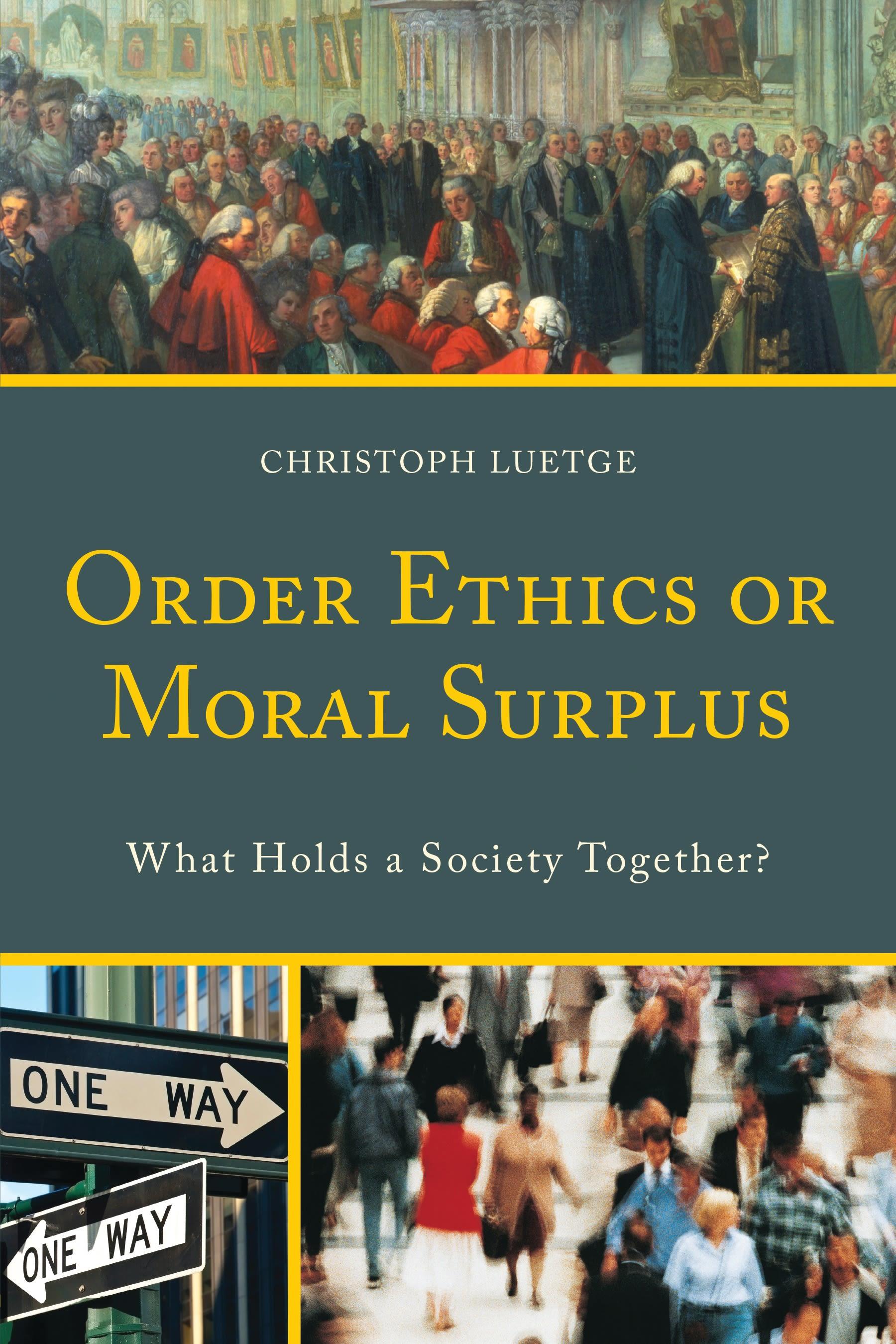
Christoph Luetge takes on a fundamental problem of contemporary political philosophy and ethics. He questions the often implicit assumption of many contemporary political philosophers according to which a society needs its citizens to adopt some shared basic qualities, views or capabilities (here termed a moral surplus). Luetge examines the respective theories of, among others, Habermas, Rawls, Gauthier, Buchanan, and Binmore with a focus on their respective moral surpluses. He finds that each moral surplus is either not necessary for the stability of societies or cannot remain stable when faced with opposing incentives. Binmore’s idea of empathy is the only one that is, at least partly, not confronted with this dilemma. Luetge provides an alternative view termed order ethics, which weakens the necessary assumptions for modern societies and basically only relies on mutual advantages as the fundamental basis of society.
Betal nemt med kort, Klarna, Apple Pay eller Google Pay. Ikke tilfreds? Du har altid 14 dages fortrydelsesret. Læs mere i vores vilkår. Har du spørgsmål, så send os en mail på hello@memmo.org.
Memmo gør det nemmere at studere – uanset hvor du er i verden. Hos os samler du dine kursusbøger og smarte studieværktøjer ét sted: resuméer, quizzer, podcasts og flashcards. Og så er der Ted, din studieven, der svarer på alt, du undrer dig over. Over 50 000 studerende studerer allerede her – bygget til at hjælpe dig med at lære hurtigere og stresse mindre.