
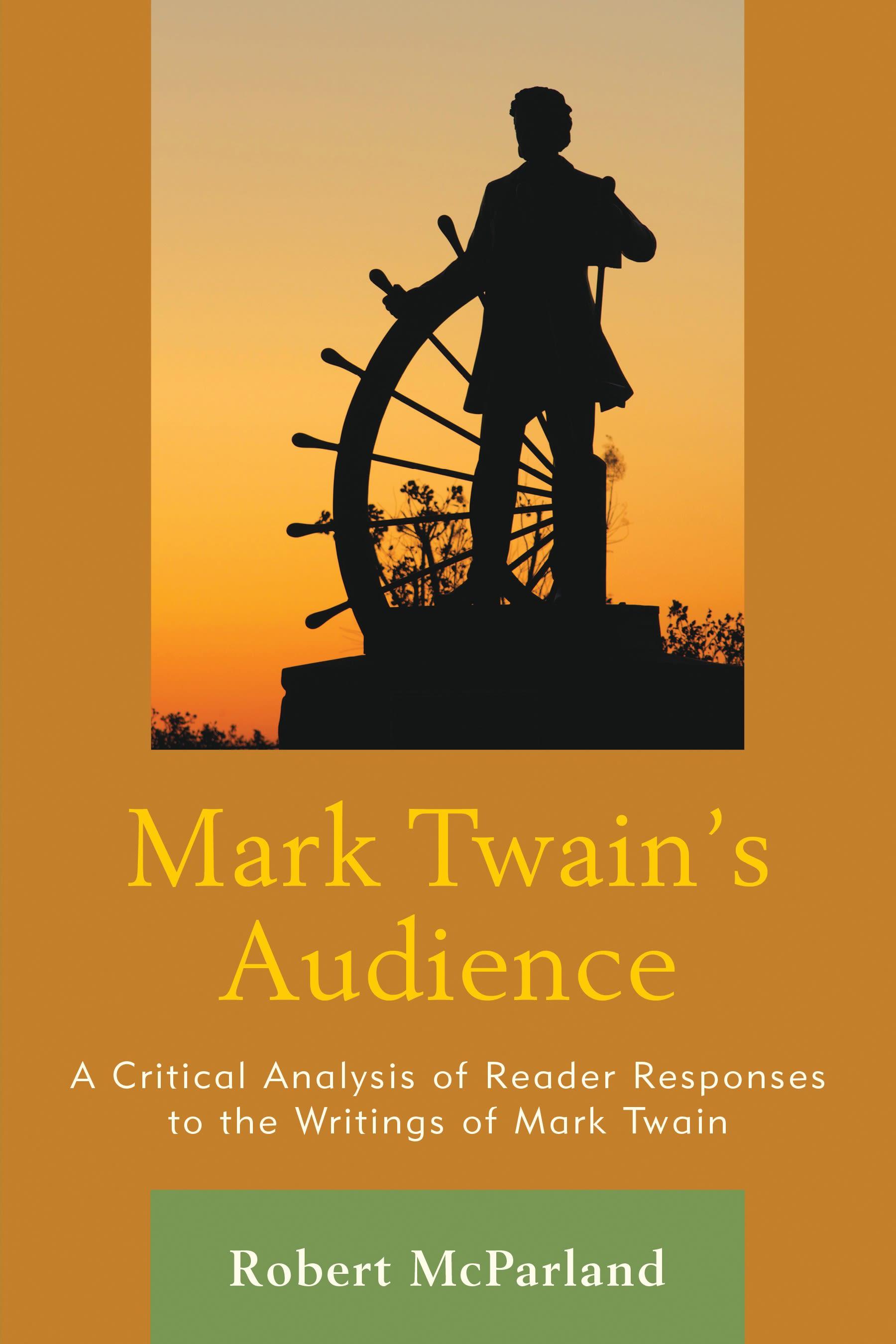
Mark Twain has been one of the most popular American writers since 1868. This book shifts the focus of Twain studies from the writer to the reader. This study of Twain’s readership and lecture audiences makes use of statistics, literary biography, twentieth-century newspapers, memoirs, diaries, travel journals, letters, literature, interviews, and reading circle reports. The book allows the audience of Mark Twain to speak for themselves in defining their relationship to his work.
Twain collected letters from his readers but there are also many other sources of which critics should be aware. The voices of these readers present their views, their likes—and sometimes dislikes, their emotional reactions and identification, and their deep attachment and love for Twain’s characters, stories, themes, and sensibilities. Bringing together contemporary reactions to Twain and his works and those of later audiences, this book paints a portrait of the American people and of American society and culture. While the book is about Mark Twain, or Samuel Clemens, it presents a larger cultural study of twentieth-century America and the early years of the twentieth century.
The book includes Twain’s international audience but makes its majorly scholarly contribution in the analysis of Twain’s audience in America. It analyzes the people and their values, their reading habits and cultural views, their everyday experiences in the face of the drastic changes of the emerging nation coping with cataclysmic events, such as the Industrial Revolution and the consequences of the Civil War. This book serves as a model for using the audience of a prominent writer to analyze American history, American culture, and the American psyche.
This book examines a historical time and an emerging national consciousness that defined the American identity after the Civil War.
Twain collected letters from his readers but there are also many other sources of which critics should be aware. The voices of these readers present their views, their likes—and sometimes dislikes, their emotional reactions and identification, and their deep attachment and love for Twain’s characters, stories, themes, and sensibilities. Bringing together contemporary reactions to Twain and his works and those of later audiences, this book paints a portrait of the American people and of American society and culture. While the book is about Mark Twain, or Samuel Clemens, it presents a larger cultural study of twentieth-century America and the early years of the twentieth century.
The book includes Twain’s international audience but makes its majorly scholarly contribution in the analysis of Twain’s audience in America. It analyzes the people and their values, their reading habits and cultural views, their everyday experiences in the face of the drastic changes of the emerging nation coping with cataclysmic events, such as the Industrial Revolution and the consequences of the Civil War. This book serves as a model for using the audience of a prominent writer to analyze American history, American culture, and the American psyche.
This book examines a historical time and an emerging national consciousness that defined the American identity after the Civil War.
Sider: 256
Kategori: Litteraturvetenskap & Teori
e-ISBN: 9780739190524
Forsendelsesvægt: 1.2 kg
Sendes inden for: 1-2 dage
Betal nemt med kort, Klarna, Apple Pay eller Google Pay. Ikke tilfreds? Du har altid 14 dages fortrydelsesret. Læs mere i vores vilkår. Har du spørgsmål, så send os en mail på hello@memmo.org.
Memmo gør det nemmere at studere – uanset hvor du er i verden. Hos os samler du dine kursusbøger og smarte studieværktøjer ét sted: resuméer, quizzer, podcasts og flashcards. Og så er der Ted, din studieven, der svarer på alt, du undrer dig over. Over 50 000 studerende studerer allerede her – bygget til at hjælpe dig med at lære hurtigere og stresse mindre.