
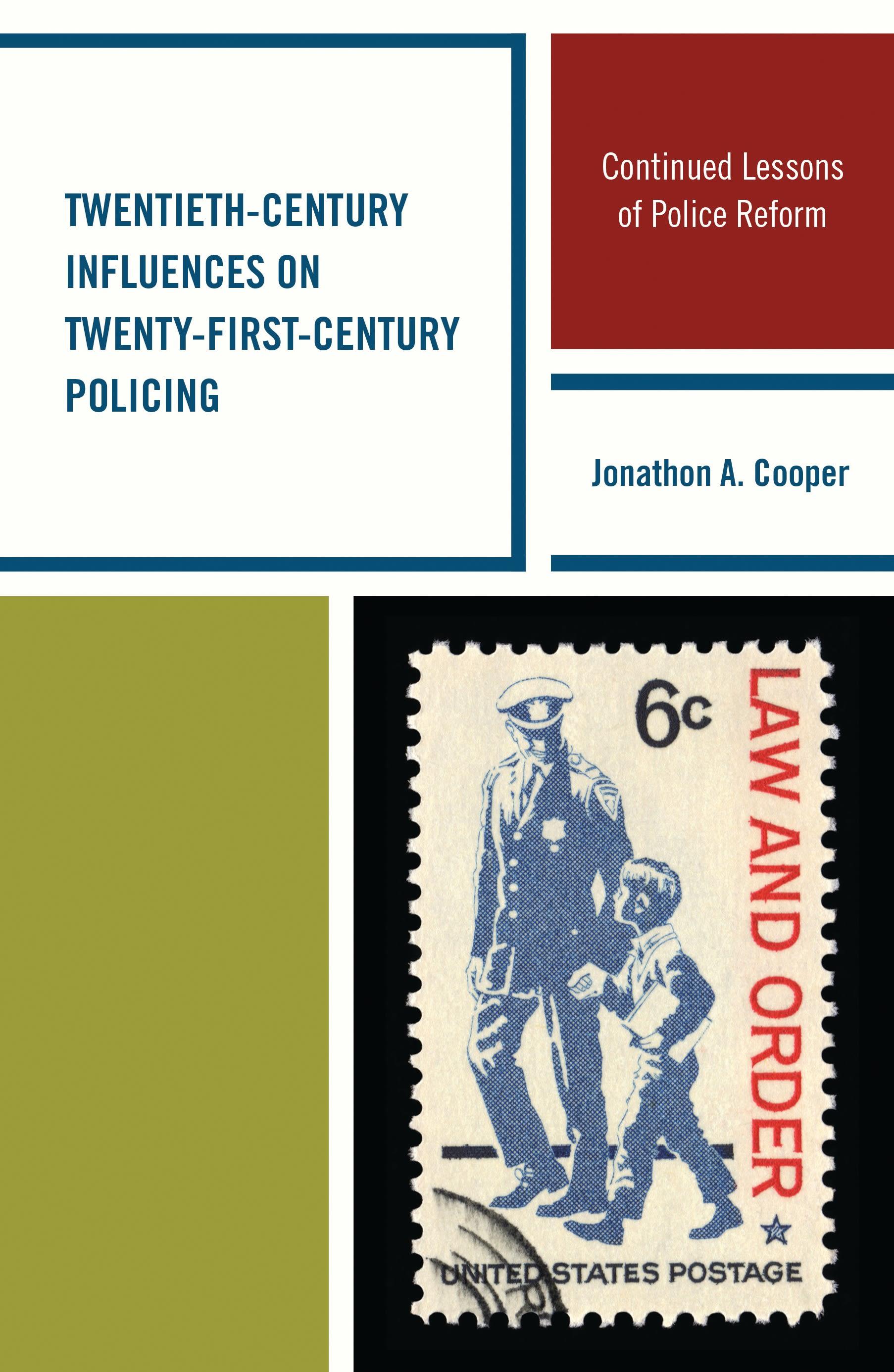
Events in the United States during the 1950s, '60s, and '70s created tectonic shifts in how the police operated. This was especially true in terms of their relationship with society. These events included, among others: the due process revolution, which guided how police were to do their job; social science research that called into question that efficacy of the professional policing model; and race riots against police activity, which were the result of poor police-minority community relations. This book outlines these (and other) changes, explores their implications for the relationship between society and the police, and suggests that a knowledge of these changes is imperative to understanding trends in contemporary policing as well as the direction policing needs to take. As policing becomes more technologically savvy and scientific in its approach to fighting crime (for example, the SMART Policing Initiative, COMPSTAT, and problem oriented approaches such as Project Safe Neighborhoods) in a time when governments are faced with austerity, it is important to reconsider how policing got to the point it is so that, as police and governments move forward, constitutional guarantees are protected, communication with citizens remains viable and salient, and crime prevention becomes an empirical reality rather than a pipe-dream.
Sider: 172
Kategori: Kriminologi
e-ISBN: 9780739189054
Forsendelsesvægt: 1.2 kg
Sendes inden for: 1-2 dage
Betal nemt med kort, Klarna, Apple Pay eller Google Pay. Ikke tilfreds? Du har altid 14 dages fortrydelsesret. Læs mere i vores vilkår. Har du spørgsmål, så send os en mail på hello@memmo.org.
Memmo gør det nemmere at studere – uanset hvor du er i verden. Hos os samler du dine kursusbøger og smarte studieværktøjer ét sted: resuméer, quizzer, podcasts og flashcards. Og så er der Ted, din studieven, der svarer på alt, du undrer dig over. Over 50 000 studerende studerer allerede her – bygget til at hjælpe dig med at lære hurtigere og stresse mindre.