
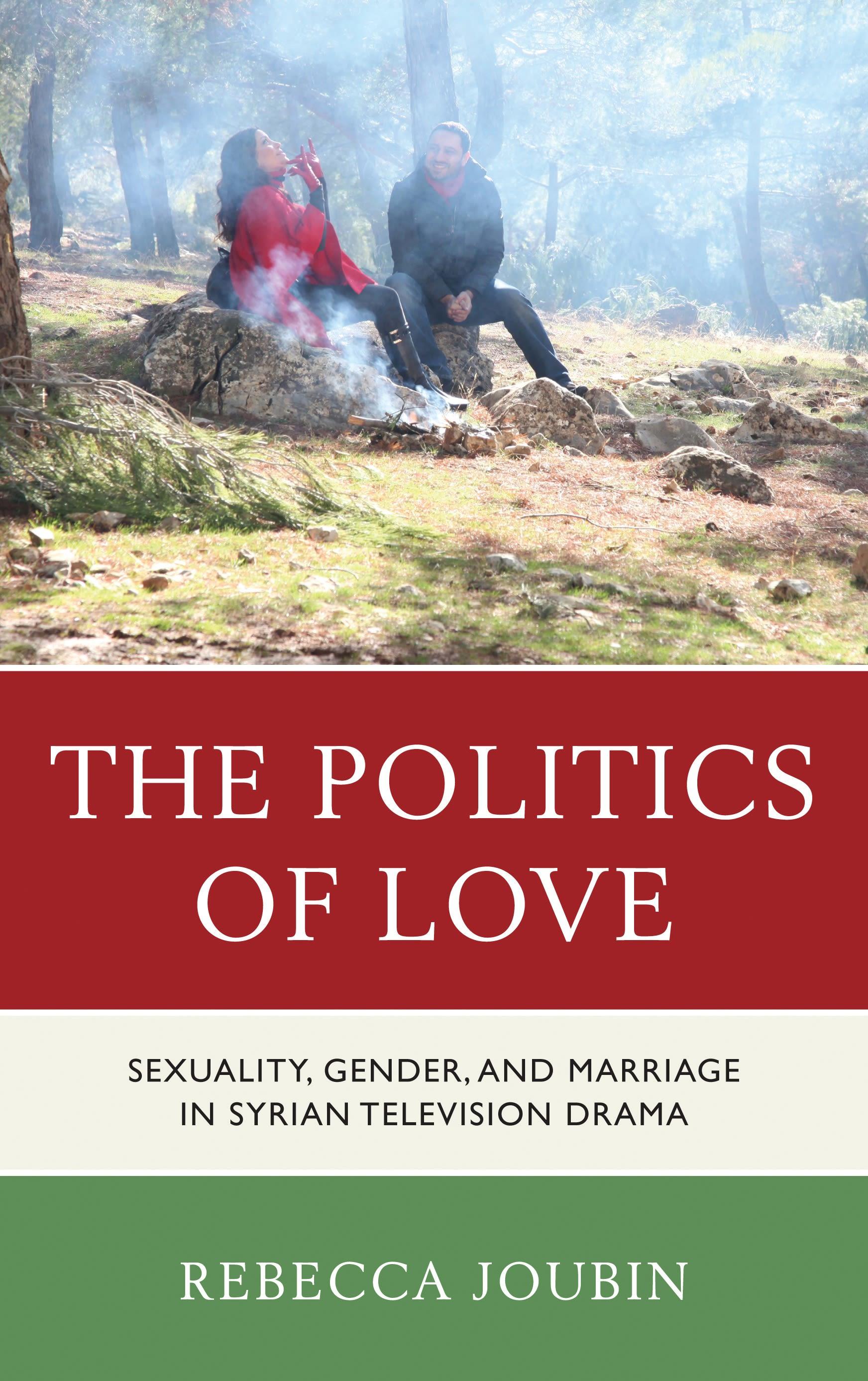
Dramatic miniseries are the primary arena for the expression of postcolonial Syrian culture and artistic talent, an arena that unites diverse aspects of artisanship in a struggle over visions of the past, present, and future of the nation. As the tour de force of the television medium, blossoming amidst persisting authoritarianism, these miniseries serve as a crucial and complex artistic avenue through which political and social opposition manifests. Scholars have tried to come to terms with a highly critical culture produced within attempted state co-optation, and argue that politically critical culture operates as a “safety valve” to release frustrations so that dissenters are less likely to mobilize against the government.
Through research fueled by a viewing of over two hundred and fifty miniseries ranging from the 1960s to the present—as well as an examination of hundreds of press reports, Facebook pages, and extensive interviews with drama creators—this book turns away from the dominant paradigm that focuses on regime intent. When turning attention instead to the drama creators themselves we witness the polyphony of voices employing love and marriage metaphors and gender (de)constructions to explore larger issues of nationalism, self-identity, and political critique. At the heart of constructions of femininity are the complications that arise with the symbiosis of pure femininity with authentic national identity. Deconstructing masculinity as political critique has been less complicated since it is not implicated in Western identity issues; on the contrary, illustrations of subservient masculinity serve to subtly denounce government corruption and oppression. Miniseries from the 1960s demonstrate that the focus of the qabaday (tough man) on female sexuality comes from his own political alienation vis-à-vis the state, and is part of a vicious cycle of state violence vis-à-vis the citizen. In recent years, and in particular after the uprising, we can see the emerging definition of the true qabaday as one who does not suppress a woman’s sexuality, thereby allowing for full equality in relationships as the basis of a truly free society.
Through research fueled by a viewing of over two hundred and fifty miniseries ranging from the 1960s to the present—as well as an examination of hundreds of press reports, Facebook pages, and extensive interviews with drama creators—this book turns away from the dominant paradigm that focuses on regime intent. When turning attention instead to the drama creators themselves we witness the polyphony of voices employing love and marriage metaphors and gender (de)constructions to explore larger issues of nationalism, self-identity, and political critique. At the heart of constructions of femininity are the complications that arise with the symbiosis of pure femininity with authentic national identity. Deconstructing masculinity as political critique has been less complicated since it is not implicated in Western identity issues; on the contrary, illustrations of subservient masculinity serve to subtly denounce government corruption and oppression. Miniseries from the 1960s demonstrate that the focus of the qabaday (tough man) on female sexuality comes from his own political alienation vis-à-vis the state, and is part of a vicious cycle of state violence vis-à-vis the citizen. In recent years, and in particular after the uprising, we can see the emerging definition of the true qabaday as one who does not suppress a woman’s sexuality, thereby allowing for full equality in relationships as the basis of a truly free society.
Sider: 534
Kategori: Statsvetenskap & Politik
e-ISBN: 9780739184301
Forsendelsesvægt: 1.2 kg
Sendes inden for: 1-2 dage
Betal nemt med kort, Klarna, Apple Pay eller Google Pay. Ikke tilfreds? Du har altid 14 dages fortrydelsesret. Læs mere i vores vilkår. Har du spørgsmål, så send os en mail på hello@memmo.org.
Memmo gør det nemmere at studere – uanset hvor du er i verden. Hos os samler du dine kursusbøger og smarte studieværktøjer ét sted: resuméer, quizzer, podcasts og flashcards. Og så er der Ted, din studieven, der svarer på alt, du undrer dig over. Over 50 000 studerende studerer allerede her – bygget til at hjælpe dig med at lære hurtigere og stresse mindre.