
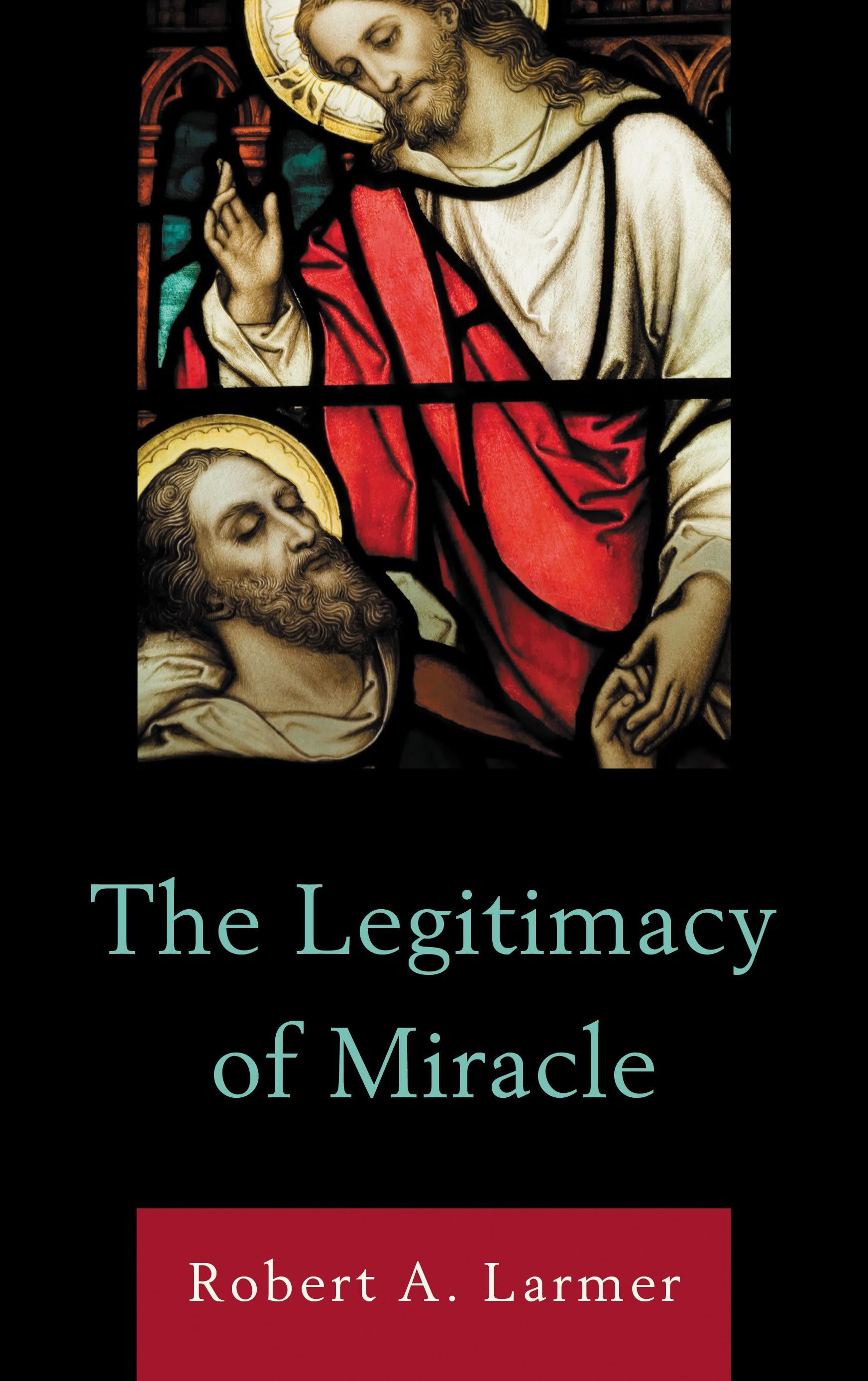
The core contention of The Legitimacy of Miracle is that a priori philosophical dismissals of the possibility or probability of justified belief in miracles fail. Whether or not it is rational to believe that events best understood as miracles actually occur is not to be decided on the basis of armchair theorizing, but rather on the basis of meticulous examination of the evidence. Such examination, however, needs to be set free from unwarranted assumptions that miracles are “impossible, improbable, or improper.” Philosophical analysis can play an important role in clearing away conceptual underbrush and question-begging presuppositions, but it cannot take the place of detailed consideration of historical and contemporary evidence. Robert Larmer demonstrates that the proper role of philosophy, as regards to the belief in miracles, is to provide an in-principle rejection of in-principle arguments either for or against.
The arguments contained in this book will be of particular interest to students and scholars of philosophy, theology, history, and religious studies, though it is written in a style accessible to anyone interested in a philosophical examination of belief in miracles.
The arguments contained in this book will be of particular interest to students and scholars of philosophy, theology, history, and religious studies, though it is written in a style accessible to anyone interested in a philosophical examination of belief in miracles.
Betal nemt med kort, Klarna, Apple Pay eller Google Pay. Ikke tilfreds? Du har altid 14 dages fortrydelsesret. Læs mere i vores vilkår. Har du spørgsmål, så send os en mail på hello@memmo.org.
Memmo gør det nemmere at studere – uanset hvor du er i verden. Hos os samler du dine kursusbøger og smarte studieværktøjer ét sted: resuméer, quizzer, podcasts og flashcards. Og så er der Ted, din studieven, der svarer på alt, du undrer dig over. Over 50 000 studerende studerer allerede her – bygget til at hjælpe dig med at lære hurtigere og stresse mindre.