
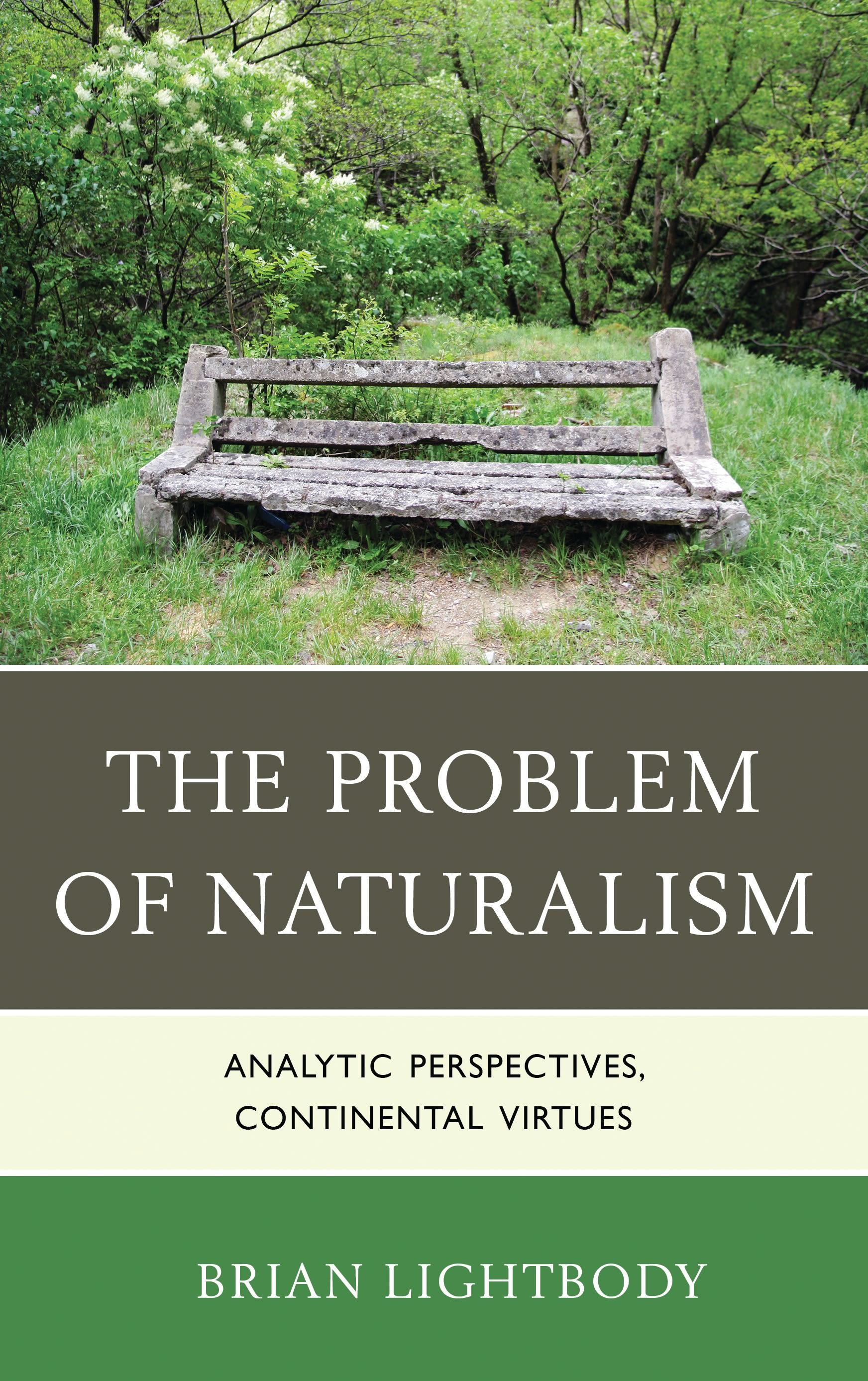
Philosophers often use the term “naturalism’ in order to describe their work. It is commonplace to see a metaphysical, epistemological and/or ethical position self-described and described by others as one that is “naturalized.” But what, if anything, does the term naturalized add--or subtract---to the position being articulated? I demonstrate in The Problem of Naturalism: Analytic and Continental Perspectives, that the term naturalism connotes such a broad meaning that it is difficult to demarcate naturalism from philosophy itself.
Still, many philosophers have tried to provide non-trivial and non-vacuous definitions of the term. My book, by and large, argues that such attempts are unsuccessful. Instead, I argue that naturalism is an attitude and neither a methodology nor a substantive position. I then articulate the guidelines the naturalist needs to follow, as well as the virtues he or she needs to practice, in order for the term naturalism to do any meaningful work.
Much of the book explains and then critiques the various attempts to define naturalism in the Anglo-American secondary literature. Some of the criticisms I raise seem to emanate from the internal logic of the naturalistic position being expressed. However, others have emerged from gleaning the work of such Continental thinkers as: Nietzsche, Husserl, Heidegger and Foucault. I use these thinkers in order to expose the unjustified implicit and sometimes explicit assumptions that many naturalistic philosophers presume to hold when they attempt to render a clear, distinct and robust naturalist position.
Still, many philosophers have tried to provide non-trivial and non-vacuous definitions of the term. My book, by and large, argues that such attempts are unsuccessful. Instead, I argue that naturalism is an attitude and neither a methodology nor a substantive position. I then articulate the guidelines the naturalist needs to follow, as well as the virtues he or she needs to practice, in order for the term naturalism to do any meaningful work.
Much of the book explains and then critiques the various attempts to define naturalism in the Anglo-American secondary literature. Some of the criticisms I raise seem to emanate from the internal logic of the naturalistic position being expressed. However, others have emerged from gleaning the work of such Continental thinkers as: Nietzsche, Husserl, Heidegger and Foucault. I use these thinkers in order to expose the unjustified implicit and sometimes explicit assumptions that many naturalistic philosophers presume to hold when they attempt to render a clear, distinct and robust naturalist position.
Betal nemt med kort, Klarna, Apple Pay eller Google Pay. Ikke tilfreds? Du har altid 14 dages fortrydelsesret. Læs mere i vores vilkår. Har du spørgsmål, så send os en mail på hello@memmo.org.
Memmo gør det nemmere at studere – uanset hvor du er i verden. Hos os samler du dine kursusbøger og smarte studieværktøjer ét sted: resuméer, quizzer, podcasts og flashcards. Og så er der Ted, din studieven, der svarer på alt, du undrer dig over. Over 50 000 studerende studerer allerede her – bygget til at hjælpe dig med at lære hurtigere og stresse mindre.