
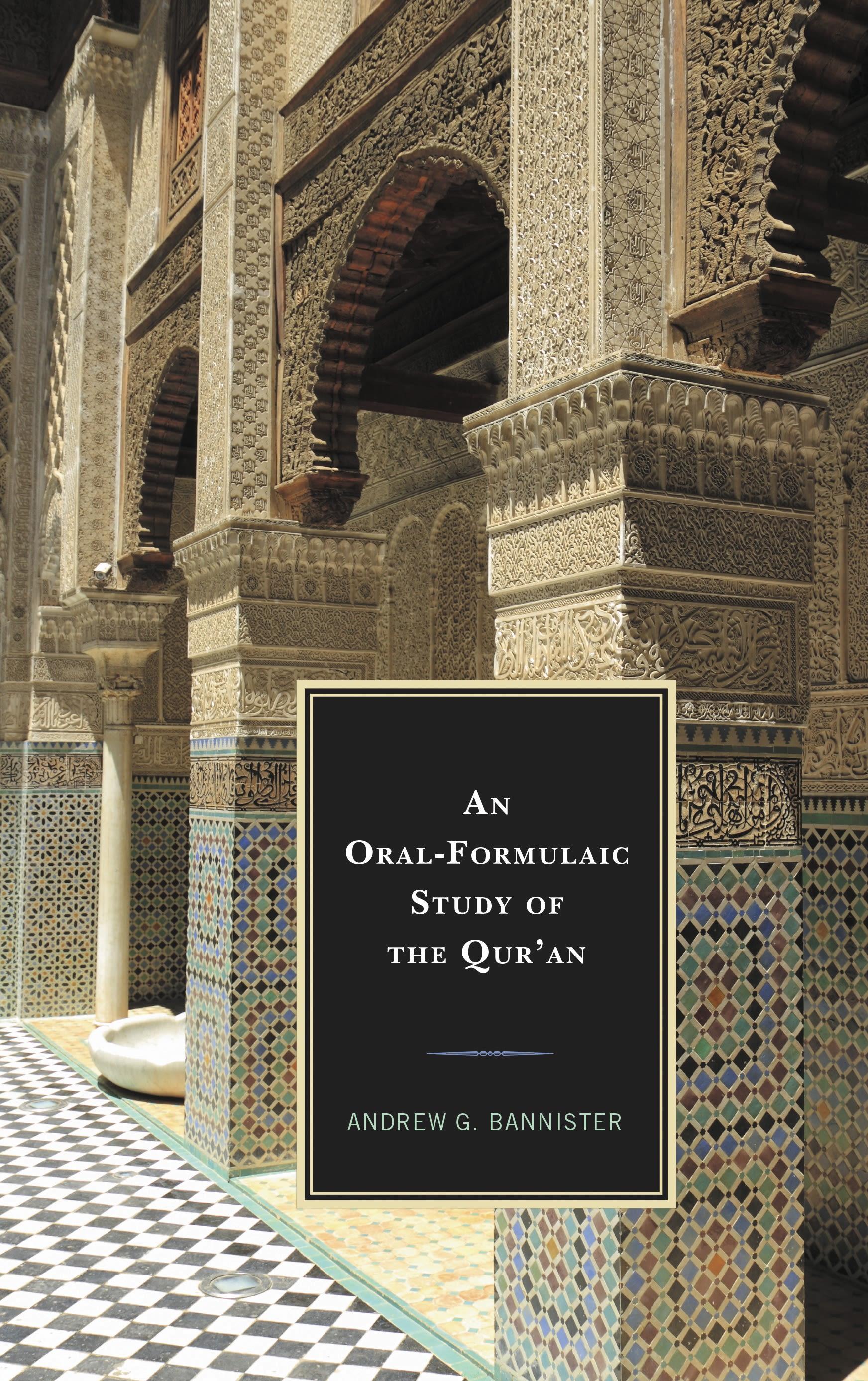
The Qur’an makes extensive use of older religious material, stories, and traditions that predate the origins of Islam, and there has long been a fierce debate about how this material found its way into the Qur’an. This unique book argues that this debate has largely been characterized by a failure to fully appreciate the Qur’an as a predominately oral product.
Using innovative computerized linguistic analysis, this study demonstrates that the Qur’an displays many of the signs of oral composition that have been found in other traditional literature. When one then combines these computerized results with other clues to the Qur’an’s origins (such as the demonstrably oral culture that both predated and preceded the Qur’an, as well as the “folk memory” in the Islamic tradition that Muhammad was an oral performer) these multiple lines of evidence converge and point to the conclusion that large portions of the Qur’an need to be understood as being constructed live, in oral performance.
Combining historical, linguistic, and statistical analysis, much of it made possible for the first time due to new computerized tools developed specifically for this book, Bannister argues that the implications of orality have long been overlooked in studies of the Qur’an. By relocating the Islamic scripture firmly back into an oral context, one gains both a fresh appreciation of the Qur’an on its own terms, as well as a fresh understanding of how Muhammad used early religious traditions, retelling old tales afresh for a new audience.
Using innovative computerized linguistic analysis, this study demonstrates that the Qur’an displays many of the signs of oral composition that have been found in other traditional literature. When one then combines these computerized results with other clues to the Qur’an’s origins (such as the demonstrably oral culture that both predated and preceded the Qur’an, as well as the “folk memory” in the Islamic tradition that Muhammad was an oral performer) these multiple lines of evidence converge and point to the conclusion that large portions of the Qur’an need to be understood as being constructed live, in oral performance.
Combining historical, linguistic, and statistical analysis, much of it made possible for the first time due to new computerized tools developed specifically for this book, Bannister argues that the implications of orality have long been overlooked in studies of the Qur’an. By relocating the Islamic scripture firmly back into an oral context, one gains both a fresh appreciation of the Qur’an on its own terms, as well as a fresh understanding of how Muhammad used early religious traditions, retelling old tales afresh for a new audience.
Betal nemt med kort, Klarna, Apple Pay eller Google Pay. Ikke tilfreds? Du har altid 14 dages fortrydelsesret. Læs mere i vores vilkår. Har du spørgsmål, så send os en mail på hello@memmo.org.
Memmo gør det nemmere at studere – uanset hvor du er i verden. Hos os samler du dine kursusbøger og smarte studieværktøjer ét sted: resuméer, quizzer, podcasts og flashcards. Og så er der Ted, din studieven, der svarer på alt, du undrer dig over. Over 50 000 studerende studerer allerede her – bygget til at hjælpe dig med at lære hurtigere og stresse mindre.