
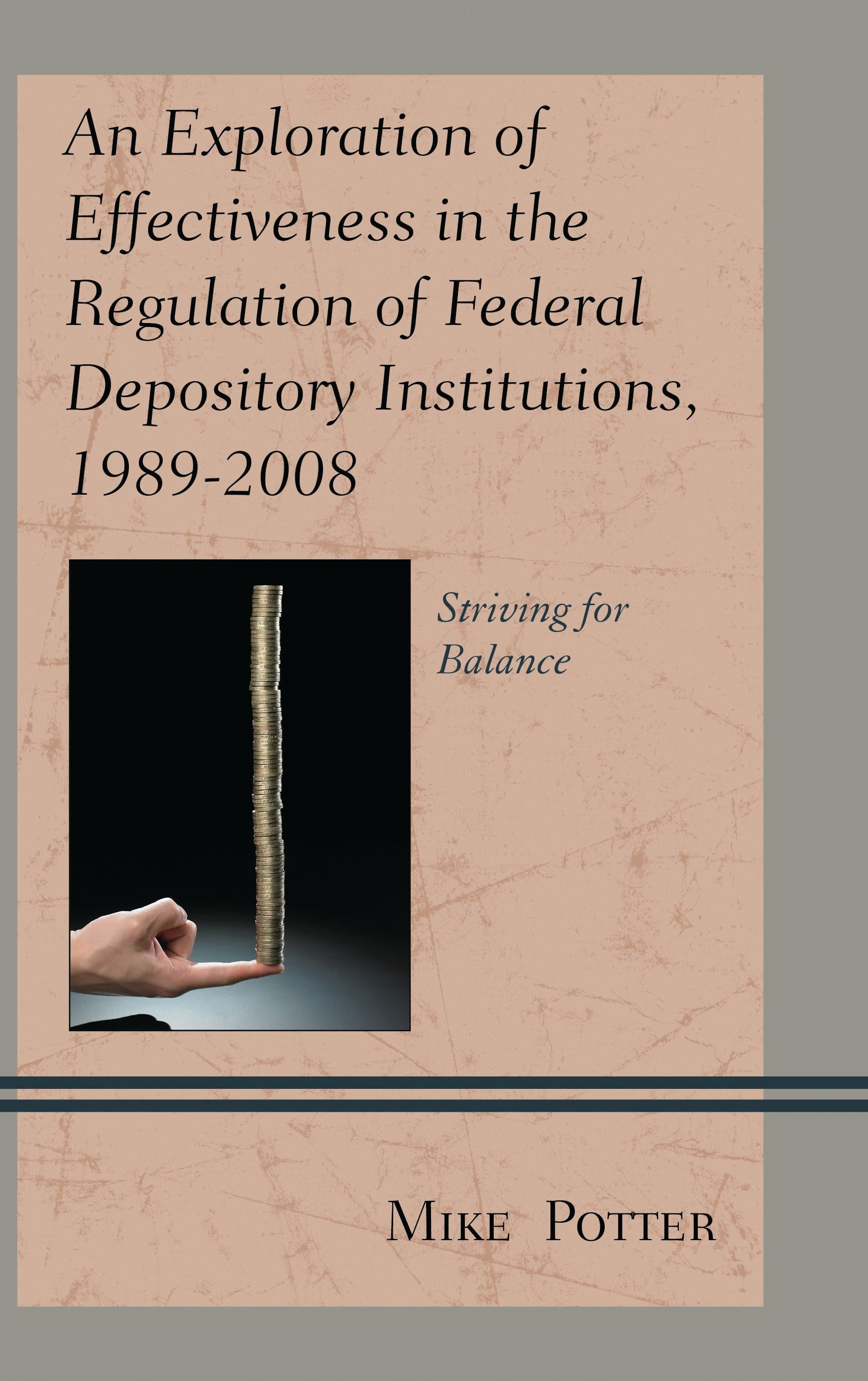
Financial services regulators are tasked with balancing the conflicting roles of empowering and policing their regulated communities. In order to be effective, agencies must be able to accomplish both tasks. This analysis examines several determinants of effectiveness among U.S. bank regulators. Using statistical and narrative analyses, it examines factors that have contributed to the regulatory effectiveness of the National Credit Union Administration, Office of the Comptroller of the Currency, and Office of Thrift Supervision. The study focused on the relationships between regulatory ability to prevent failures and influences including agency longevity, ability to manage complexity, appointee and staff qualities, mission stability, regulatory style, and resources. Agency longevity and resources had the greatest impact on effectiveness among the cases that were examined. Additionally, this study proposes a typology that suggests that more effective regulators are able to balance information from their regulated communities with a public interest orientation. This allows them to have current information regarding emerging regulatory issues but also to avoid becoming too reliant on their supervised institutions for information. By not being overly reliant or out of touch with their regulated communities, agency can better foster regulatory resiliency.
Betal nemt med kort, Klarna, Apple Pay eller Google Pay. Ikke tilfreds? Du har altid 14 dages fortrydelsesret. Læs mere i vores vilkår. Har du spørgsmål, så send os en mail på hello@memmo.org.
Memmo gør det nemmere at studere – uanset hvor du er i verden. Hos os samler du dine kursusbøger og smarte studieværktøjer ét sted: resuméer, quizzer, podcasts og flashcards. Og så er der Ted, din studieven, der svarer på alt, du undrer dig over. Over 50 000 studerende studerer allerede her – bygget til at hjælpe dig med at lære hurtigere og stresse mindre.