
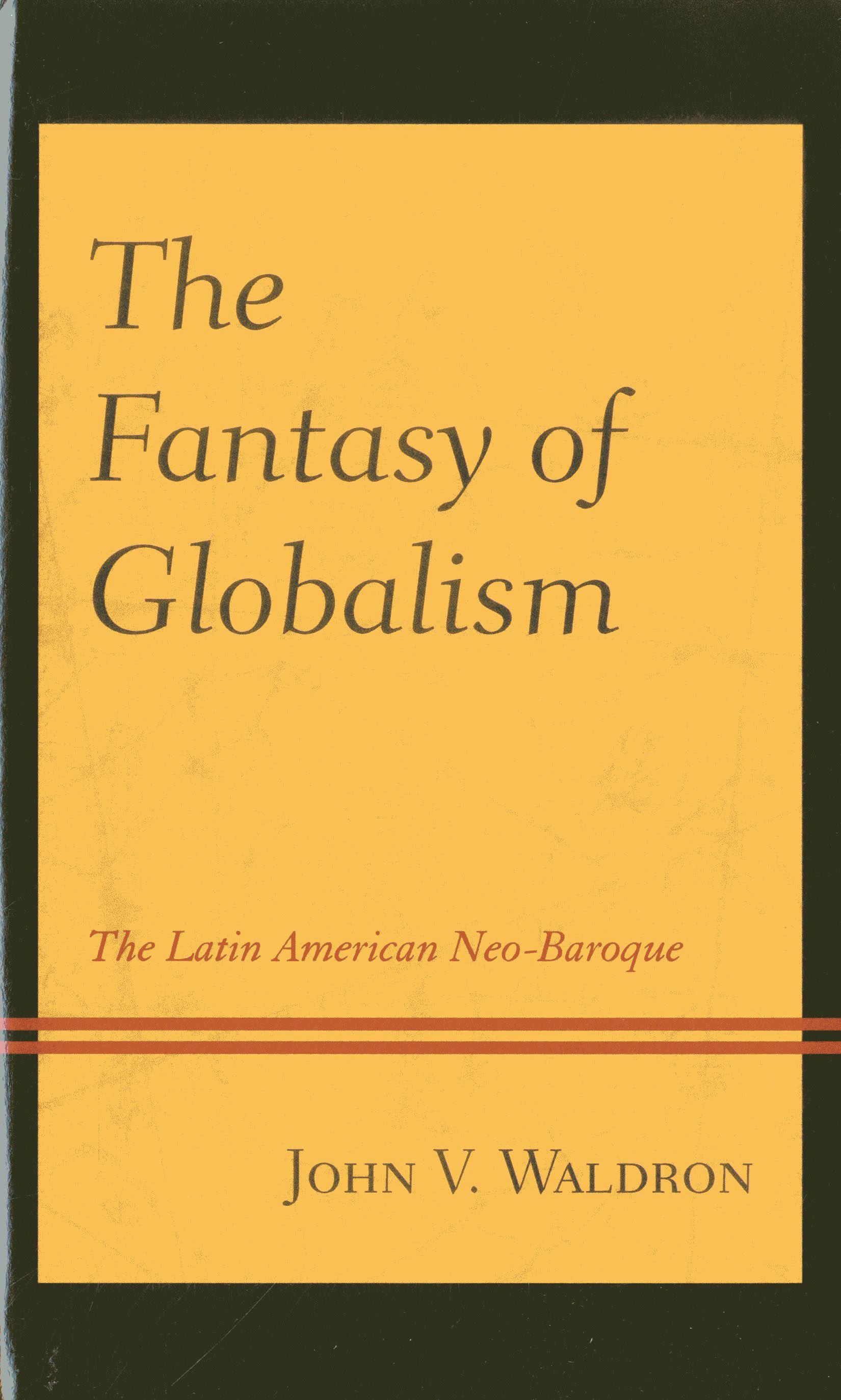
For many, the advent of globalization brought with it an end to the way that the world had been viewed previous to the fall of the Berlin Wall. Among the many endings the one that most concerns my book is the perceived foreclosure of any alternatives to the capitalistic ideology that structures globalization. Even criticisms of globalization are bounded by its limits since the critical models they use cannot conceive of a space outside its homogenizing discourse. Against the final limits that shape most interpretations of globalization, I show how writers on the periphery of the globalizing north, through the development and deployment of neo-baroque imaginings, offer a different possibility to monological globalism. I show that the baroque has been a way of resisting and reconfiguring the colonial gaze in Latin America since the time of the first encounter to the present.
Betal nemt med kort, Klarna, Apple Pay eller Google Pay. Ikke tilfreds? Du har altid 14 dages fortrydelsesret. Læs mere i vores vilkår. Har du spørgsmål, så send os en mail på hello@memmo.org.
Memmo gør det nemmere at studere – uanset hvor du er i verden. Hos os samler du dine kursusbøger og smarte studieværktøjer ét sted: resuméer, quizzer, podcasts og flashcards. Og så er der Ted, din studieven, der svarer på alt, du undrer dig over. Over 50 000 studerende studerer allerede her – bygget til at hjælpe dig med at lære hurtigere og stresse mindre.