
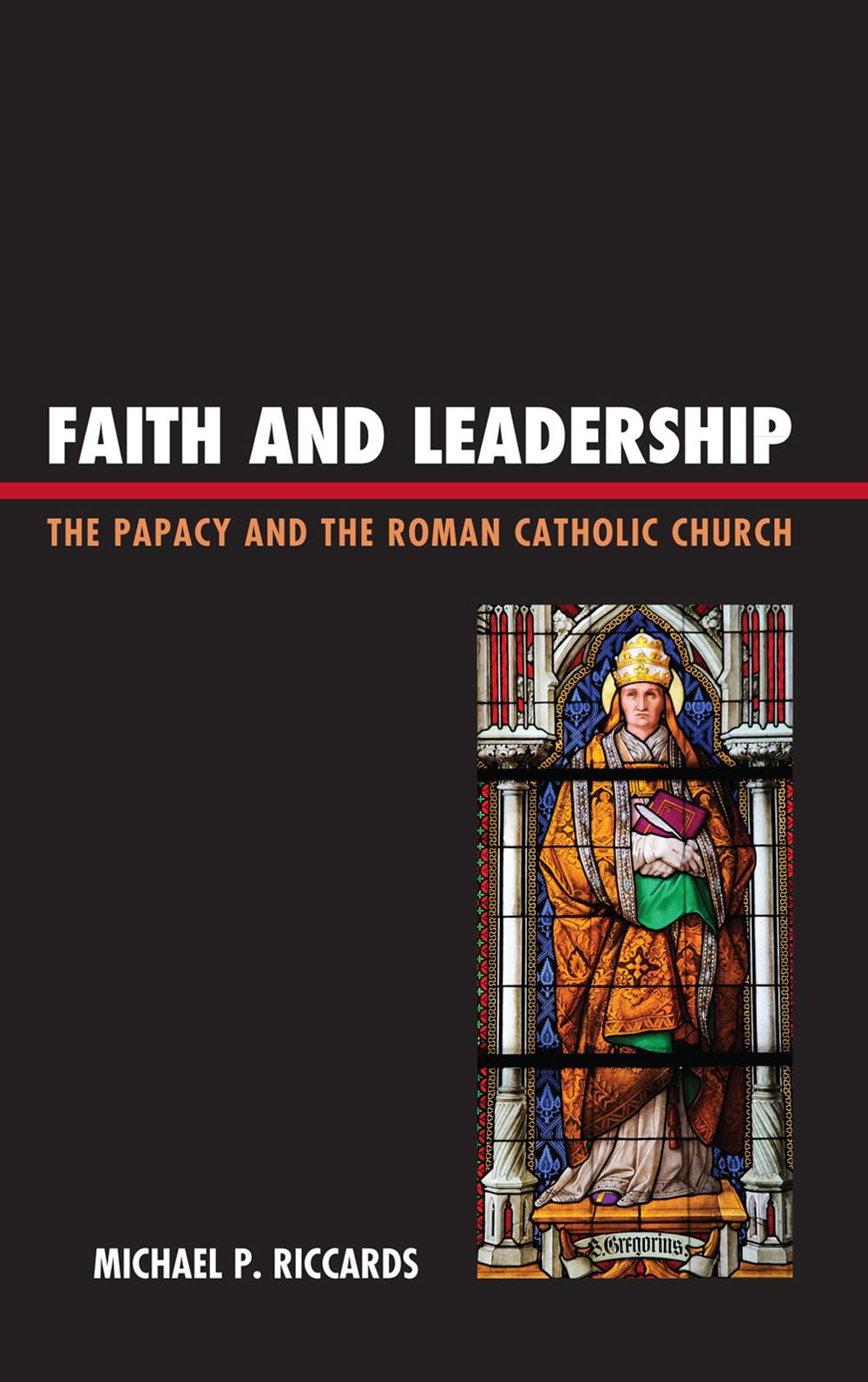
This study is a comprehensive history of the papacy, the oldest elective office in the world, and how it has managed over the centuries the most complex voluntary association of faith. The book argues that in fact through most of its existence, the papacy has adapted managerial models of the secular world and applied them to the Catholic Church. Since its emergence from the Jewish synagogues to a persecuted minority in the Roman Empire to becoming the established religion of the West, the Church and the papacy engaged the world on its own terms. It is only after the Council of Trent did the Church become somewhat more divorced and estranged from the environment around it. This book focused on those changes and on the great popes across the centuries who reformed and altered Catholicism. Special attention is directed to Gregory I, Innocent I, Innocent III, Pius IX, Leo XIII, Pius XI, Pius XII, John XXVII, Paul VI, and John Paul II. The conclusion is that the persistence of the Catholic Church for so many centuries was due to its ability to preserve the faith, but re-establish its forms and managerial class.
Betal nemt med kort, Klarna, Apple Pay eller Google Pay. Ikke tilfreds? Du har altid 14 dages fortrydelsesret. Læs mere i vores vilkår. Har du spørgsmål, så send os en mail på hello@memmo.org.
Memmo gør det nemmere at studere – uanset hvor du er i verden. Hos os samler du dine kursusbøger og smarte studieværktøjer ét sted: resuméer, quizzer, podcasts og flashcards. Og så er der Ted, din studieven, der svarer på alt, du undrer dig over. Over 50 000 studerende studerer allerede her – bygget til at hjælpe dig med at lære hurtigere og stresse mindre.