
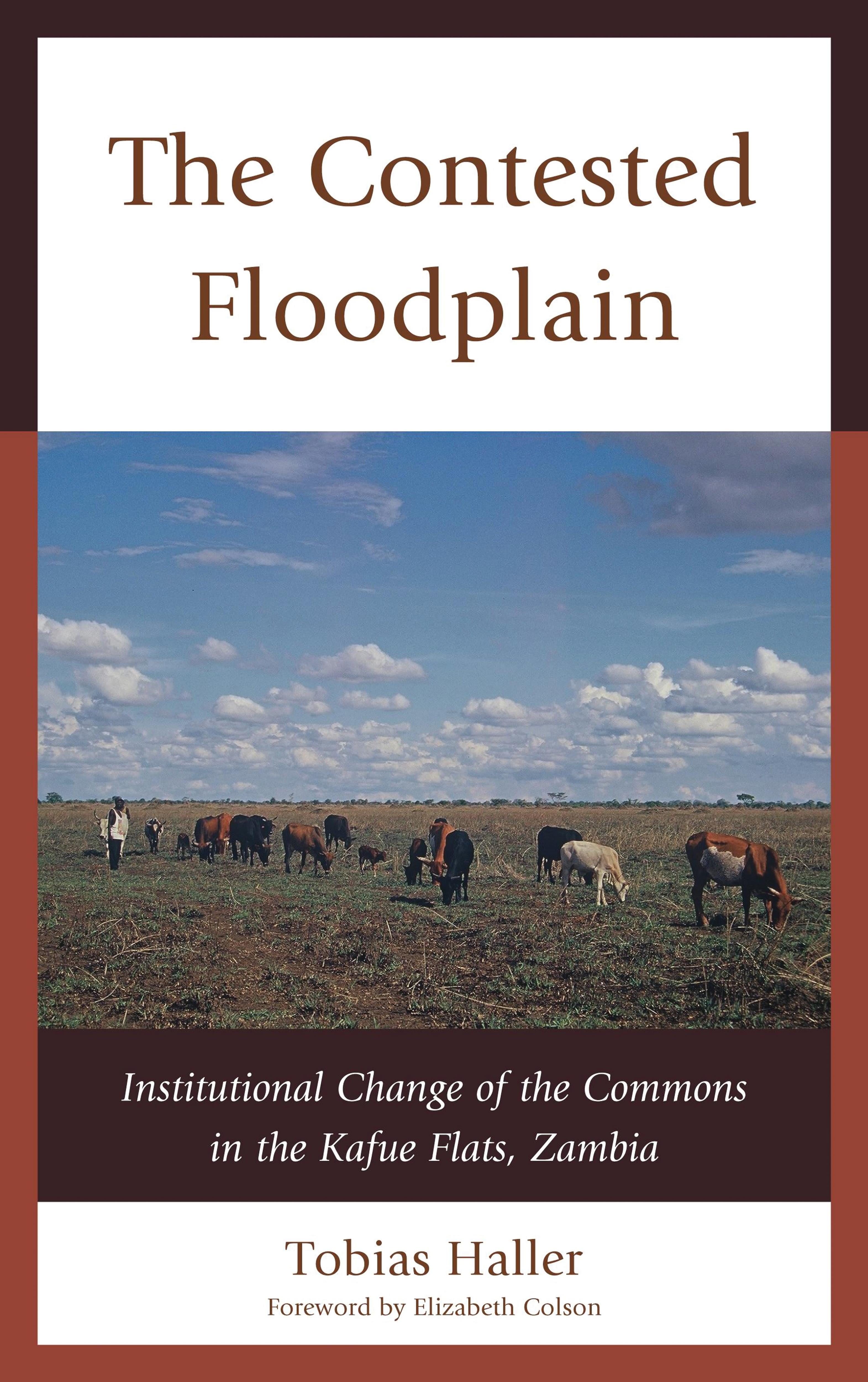
The Contested Floodplain tells the story of institutional changes in the management of common pool resources (pasture, wildlife, and fisheries) among Ila and Balundwe agro-pastoralists and Batwa fishermen in the Kafue Flats, in southern Zambia. It explains how and why a once rich floodplain area, managed under local common property regimes, becomes a poor man’s place and a degraded resource area. Based on social anthropological field research, the book explains how well working institutions in the past, regulating communal access to resources, have turned into state property and open access or privatization. As a basis for analysis, the author uses Elinor Ostrom’s design principles for well working institutions and the approach of the New Institutionalism by Jean Ensminger. The latter approach focuses on external factors and change in relative prices. It explains how local actors face changing bargaining power and use different ideologies to legitimize and shape resource use regulations. The study focuses on the historic developments taking place since pre-colonial and colonial times up to today. Haller shows how the commons had been well regulated by local institutions in the past, often embedded in religious belief systems. He then explains the transformation from common property to state property since colonial times. When the state is unable to provide well functioning institutions due to a lack in financial income, it contributes to de facto open access and degradation of the commons. The Zambian copper-based economy has faced crisis since 1975, and many Zambians have to look for economic alternatives and find ways to profit from the lack of state control (a paradox of the present-absent state). And while the state is absent, external actors use the ideology of citizenship to justify free use of resources during conflicts with local people. Also within Zambian communities, floodplain resources are highly contested, which is illustrated through conflicts over a proposed irrigation scheme in the area. The different actors and interest groups use ideologies such as citizenship vs. being indigenous, ethnic identity vs. class conflict, and modernity vs traditional way of life to legitimize land claims.
Betal nemt med kort, Klarna, Apple Pay eller Google Pay. Ikke tilfreds? Du har altid 14 dages fortrydelsesret. Læs mere i vores vilkår. Har du spørgsmål, så send os en mail på hello@memmo.org.
Memmo gør det nemmere at studere – uanset hvor du er i verden. Hos os samler du dine kursusbøger og smarte studieværktøjer ét sted: resuméer, quizzer, podcasts og flashcards. Og så er der Ted, din studieven, der svarer på alt, du undrer dig over. Over 50 000 studerende studerer allerede her – bygget til at hjælpe dig med at lære hurtigere og stresse mindre.