
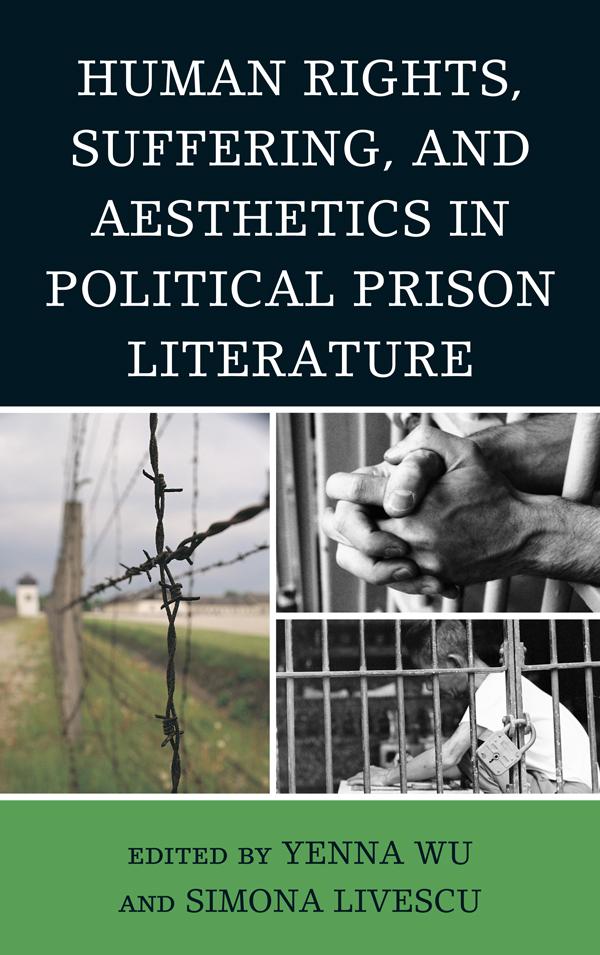
This interdisciplinary volume of essays studies human rights in political prison literature, while probing the intersections of suffering, politics, and aesthetics in an interliterary and intercultural context. As the first book to explore the concept of global aesthetics in political prison narratives, it demonstrates how literary insight enhances the study of human rights. Covering varied geographical and geopolitical regions, this collection encourages comparative analyses and cross-cultural understanding. Seeking to interrogate linguistic, structural, and cultural constructions of the political prison experience, it highlights the literary aspects without losing sight of the political and the theoretical.
The contributors cross various disciplinary boundaries and adopt different interpretive perspectives in analyzing prison narratives, especially memoirs, from such diverse countries as China, Egypt, Morocco, Syria, Romania, Russia, Uruguay, and the U.S. The volume emphasizes the literary works produced since the second half of the twentieth century, particularly since the political seismic shift in 1989. The authors treated range from the canonical to the less well-known: Nawal El Saadawi, Varlam Shalamov, Zhang Xianliang, Cong Weixi, Wumingshi, Carlos Liscano, Fatna El Bouih, Nabil Sulayman, Faraj Bayraqdar, Hasiba 'Abdalrahman, Tahar Ben Jelloun, Nicolae Steinhardt, Irina Ratushinskaya, etc.
Critical issues investigated include how the writers represent their sufferings, experiences, and emotions during incarceration; their strategies of survival; and how political prison literature can reveal hidden violations of human rights, while resisting official discourse and serving other functions in society. Examining the commonalities and differences in global experiences of imprisonment, the eight chapters engage with the aesthetics of self-making and resistance, individual and collective memory, denial and conversion, catharsis and redemption, and the experiencing and witnessing of trauma.
Topics also include the politics of remembering and the politics of representation, such as the problematic relationship between narrative, language, and representations of torture. Similarly under discussion are prison aesthetics of happiness, the role of spectacle in the criminal justice system, and the intersection of prison, gender, and silences.
At a juncture when more and more people all over the world actively defy repressive regimes and demand political reform, this book makes a timely contribution to the advocacy and discourse of universal human rights.
The contributors cross various disciplinary boundaries and adopt different interpretive perspectives in analyzing prison narratives, especially memoirs, from such diverse countries as China, Egypt, Morocco, Syria, Romania, Russia, Uruguay, and the U.S. The volume emphasizes the literary works produced since the second half of the twentieth century, particularly since the political seismic shift in 1989. The authors treated range from the canonical to the less well-known: Nawal El Saadawi, Varlam Shalamov, Zhang Xianliang, Cong Weixi, Wumingshi, Carlos Liscano, Fatna El Bouih, Nabil Sulayman, Faraj Bayraqdar, Hasiba 'Abdalrahman, Tahar Ben Jelloun, Nicolae Steinhardt, Irina Ratushinskaya, etc.
Critical issues investigated include how the writers represent their sufferings, experiences, and emotions during incarceration; their strategies of survival; and how political prison literature can reveal hidden violations of human rights, while resisting official discourse and serving other functions in society. Examining the commonalities and differences in global experiences of imprisonment, the eight chapters engage with the aesthetics of self-making and resistance, individual and collective memory, denial and conversion, catharsis and redemption, and the experiencing and witnessing of trauma.
Topics also include the politics of remembering and the politics of representation, such as the problematic relationship between narrative, language, and representations of torture. Similarly under discussion are prison aesthetics of happiness, the role of spectacle in the criminal justice system, and the intersection of prison, gender, and silences.
At a juncture when more and more people all over the world actively defy repressive regimes and demand political reform, this book makes a timely contribution to the advocacy and discourse of universal human rights.
Sider: 224
Kategori: Litteraturvetenskap & Teori
e-ISBN: 9780739167427
Forsendelsesvægt: 1.2 kg
Sendes inden for: 1-2 dage
Betal nemt med kort, Klarna, Apple Pay eller Google Pay. Ikke tilfreds? Du har altid 14 dages fortrydelsesret. Læs mere i vores vilkår. Har du spørgsmål, så send os en mail på hello@memmo.org.
Memmo gør det nemmere at studere – uanset hvor du er i verden. Hos os samler du dine kursusbøger og smarte studieværktøjer ét sted: resuméer, quizzer, podcasts og flashcards. Og så er der Ted, din studieven, der svarer på alt, du undrer dig over. Over 50 000 studerende studerer allerede her – bygget til at hjælpe dig med at lære hurtigere og stresse mindre.