
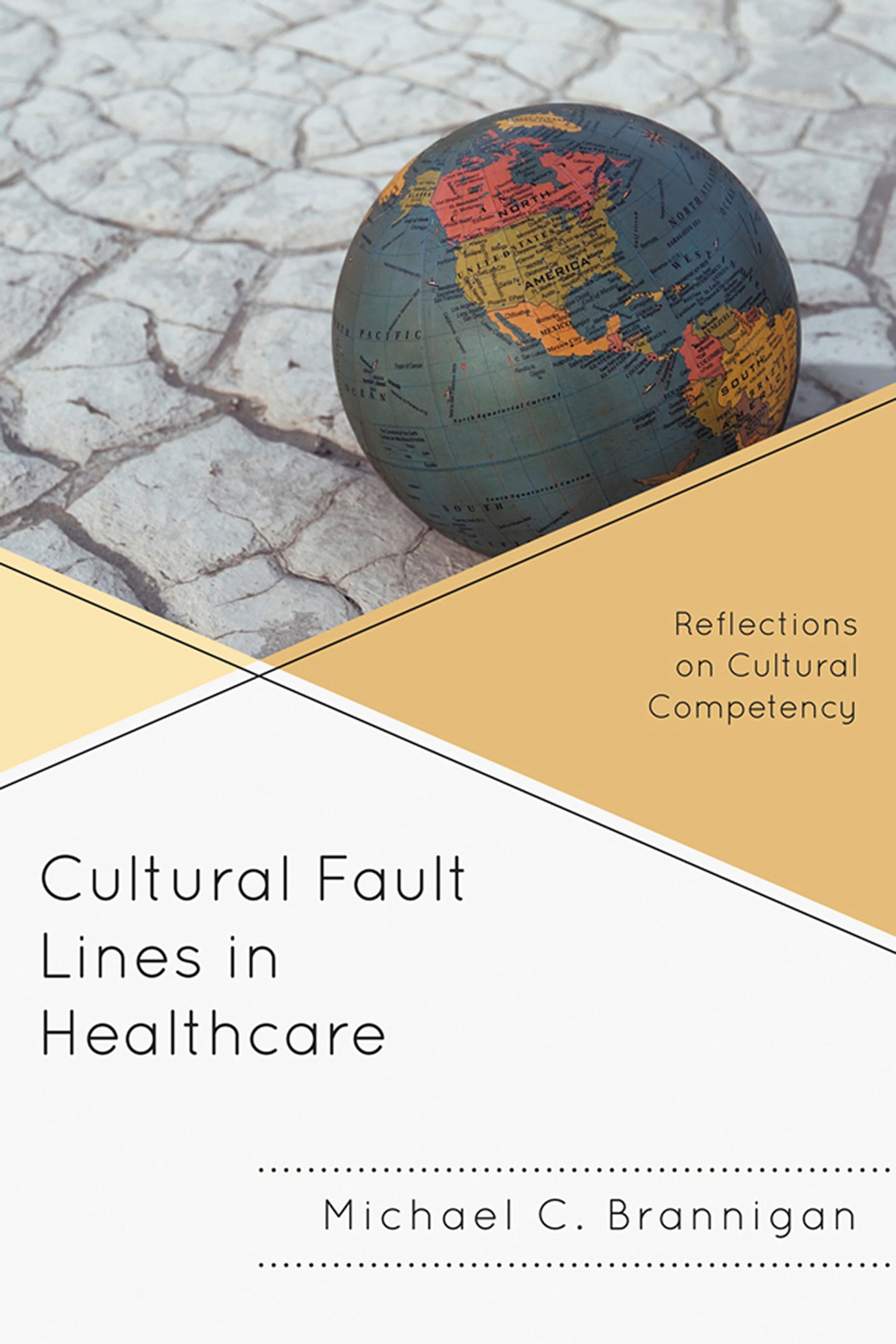
Healthcare in the U.S. faces two interpenetrating certainties. First, with over 66 racial and ethnic groupings, our “American Mosaic” of worldviews and values unavoidably generates clashes in hospitals and clinics. Second, our public increasingly mistrusts our healthcare system and delivery. One certainty fuels the other. Conflicts in the clinical encounter, particularly with patients from other cultures, often challenge dominant assumptions of morally appropriate principles and behavior. In turn, lack of understanding, misinterpretation, stereotyping, and outright discrimination result in poor health outcomes, compounding further mistrust.
To address these cultural fault lines, healthcare institutions have initiated efforts to ensure “cultural competence.” Yet, these efforts become institutional window-dressing without tackling deeper issues, issues having to do with attitudes, understanding, and, most importantly, ways we communicate with patients. These deeper issues reflect a fundamental, original fault line: the ever-widening gap between serving our own interests while disregarding the concerns of more vulnerable patients, those on the margins, those Others who remain disenfranchised because they are Other.
This book examines this and how we must become the voice for these Others whose vulnerability and suffering are palpable. The author argues that, as a vital and necessary condition for cultural competency, we must learn to cultivate the virtue of Presence - of genuinely being there with our patients. Cultural competency is less a matter of acquiring knowledge of other cultures. Cultural competency demands as a prerequisite for all patients, not just for those who seem different, genuine embodied Presence.
Genuine, interpersonal, embodied presence is especially crucial in our screen-centric and Facebook world where interaction is mediated through technologies rather than through authentic face-to-face engagement. This is sadly apparent in healthcare, where we have replaced interpersonal care with technological intervention. Indeed, we are all potential patients. When we become ill, we too will most likely assume roles of vulnerability. We too may feel as invisible as those on the margins.
These are not armchair reflections. Brannigan’s incisive analysis comes from his scholarship in healthcare and intercultural ethics, along with his longstanding clinical experience in numerous healthcare settings with patients, their families, and healthcare professionals.
To address these cultural fault lines, healthcare institutions have initiated efforts to ensure “cultural competence.” Yet, these efforts become institutional window-dressing without tackling deeper issues, issues having to do with attitudes, understanding, and, most importantly, ways we communicate with patients. These deeper issues reflect a fundamental, original fault line: the ever-widening gap between serving our own interests while disregarding the concerns of more vulnerable patients, those on the margins, those Others who remain disenfranchised because they are Other.
This book examines this and how we must become the voice for these Others whose vulnerability and suffering are palpable. The author argues that, as a vital and necessary condition for cultural competency, we must learn to cultivate the virtue of Presence - of genuinely being there with our patients. Cultural competency is less a matter of acquiring knowledge of other cultures. Cultural competency demands as a prerequisite for all patients, not just for those who seem different, genuine embodied Presence.
Genuine, interpersonal, embodied presence is especially crucial in our screen-centric and Facebook world where interaction is mediated through technologies rather than through authentic face-to-face engagement. This is sadly apparent in healthcare, where we have replaced interpersonal care with technological intervention. Indeed, we are all potential patients. When we become ill, we too will most likely assume roles of vulnerability. We too may feel as invisible as those on the margins.
These are not armchair reflections. Brannigan’s incisive analysis comes from his scholarship in healthcare and intercultural ethics, along with his longstanding clinical experience in numerous healthcare settings with patients, their families, and healthcare professionals.
Sider: 122
Kategori: Medicin & Omvårdnad
e-ISBN: 9780739149683
Forsendelsesvægt: 1.2 kg
Sendes inden for: 1-2 dage
Betal nemt med kort, Klarna, Apple Pay eller Google Pay. Ikke tilfreds? Du har altid 14 dages fortrydelsesret. Læs mere i vores vilkår. Har du spørgsmål, så send os en mail på hello@memmo.org.
Memmo gør det nemmere at studere – uanset hvor du er i verden. Hos os samler du dine kursusbøger og smarte studieværktøjer ét sted: resuméer, quizzer, podcasts og flashcards. Og så er der Ted, din studieven, der svarer på alt, du undrer dig over. Over 50 000 studerende studerer allerede her – bygget til at hjælpe dig med at lære hurtigere og stresse mindre.