
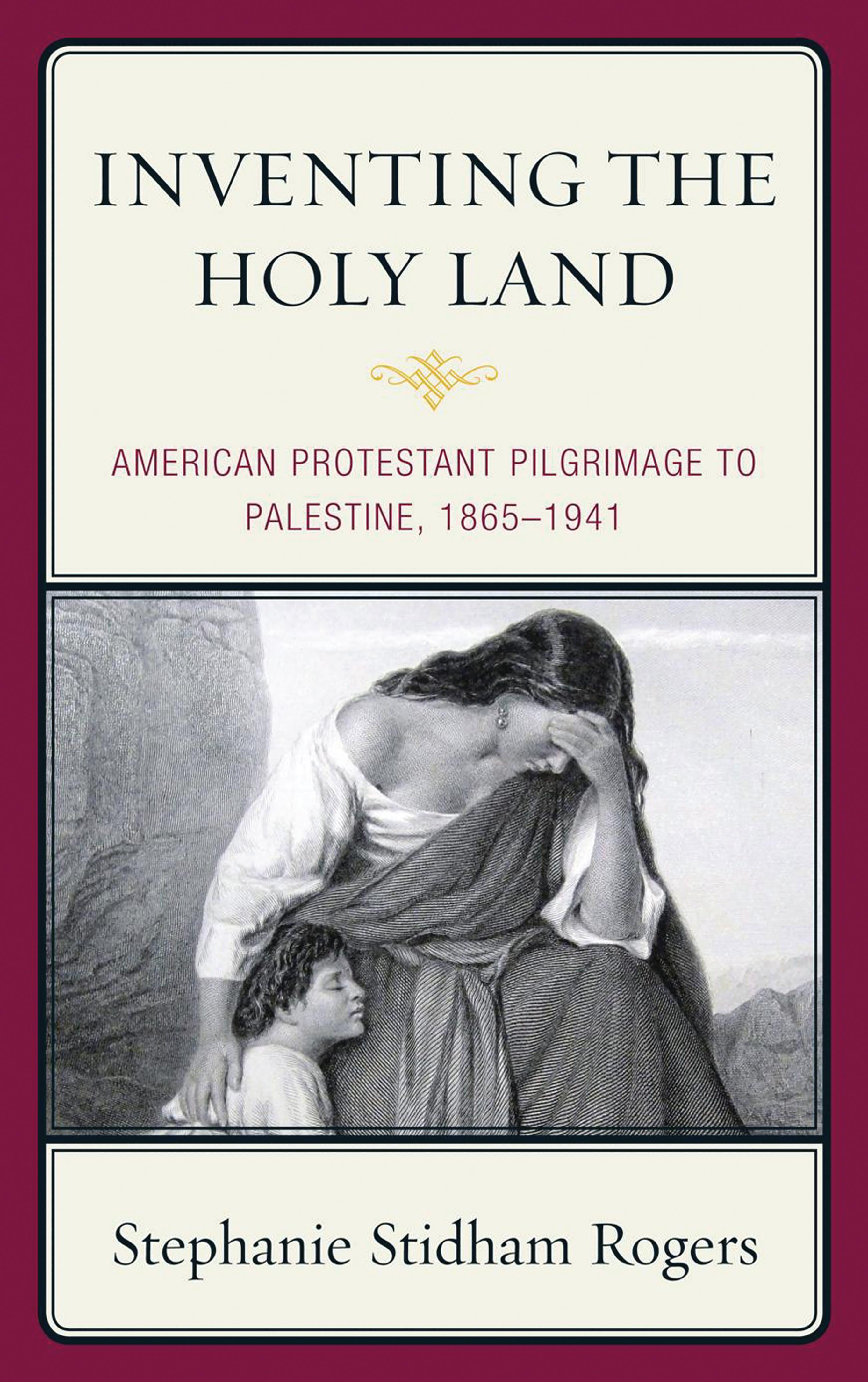
This book presents a historical study of the phenomenon of Holy Land tourism among American Protestants during the second half of the nineteenth century and the early twentieth century. During this period, overseas travel was newly available to the Protestant middle class due to the invention and steady popularization of steamship travel. Protestants "at home" in America consumed vast quantities of printed literature via the popular medium of Holy Land pilgrimage narratives. A new mental geography resulted, in which Americans forged a fresh awareness of the Middle East and began to focus millennial hopes upon the political and social concept of a Jewish remnant of the last days in a Protestant theological and historical framework. Protestant support for Zionism was born.
What surfaces from the study of hundreds of pilgrimage narratives from this period is the emergence of Palestine as an iconic place for American Protestants. Through pilgrimage narratives, American Protestant's understanding of Palestinians, biblical authority, the power of the Protestant press, the historicity of the Christian faith, an millennial expectations were formed as the meaning of the Holy Land was constructed. Findings from the pilgrimage narratives also indicate the importance of Palestine among Protestants as a "fifth gospel written in stone." The pilgrim's eastward gaze drew a distant biblical past into sharper focus and fueled the fires of premillenialism, a movement that would leave an enduring stamp upon American religion and politics.
What surfaces from the study of hundreds of pilgrimage narratives from this period is the emergence of Palestine as an iconic place for American Protestants. Through pilgrimage narratives, American Protestant's understanding of Palestinians, biblical authority, the power of the Protestant press, the historicity of the Christian faith, an millennial expectations were formed as the meaning of the Holy Land was constructed. Findings from the pilgrimage narratives also indicate the importance of Palestine among Protestants as a "fifth gospel written in stone." The pilgrim's eastward gaze drew a distant biblical past into sharper focus and fueled the fires of premillenialism, a movement that would leave an enduring stamp upon American religion and politics.
Betal nemt med kort, Klarna, Apple Pay eller Google Pay. Ikke tilfreds? Du har altid 14 dages fortrydelsesret. Læs mere i vores vilkår. Har du spørgsmål, så send os en mail på hello@memmo.org.
Memmo gør det nemmere at studere – uanset hvor du er i verden. Hos os samler du dine kursusbøger og smarte studieværktøjer ét sted: resuméer, quizzer, podcasts og flashcards. Og så er der Ted, din studieven, der svarer på alt, du undrer dig over. Over 50 000 studerende studerer allerede her – bygget til at hjælpe dig med at lære hurtigere og stresse mindre.