
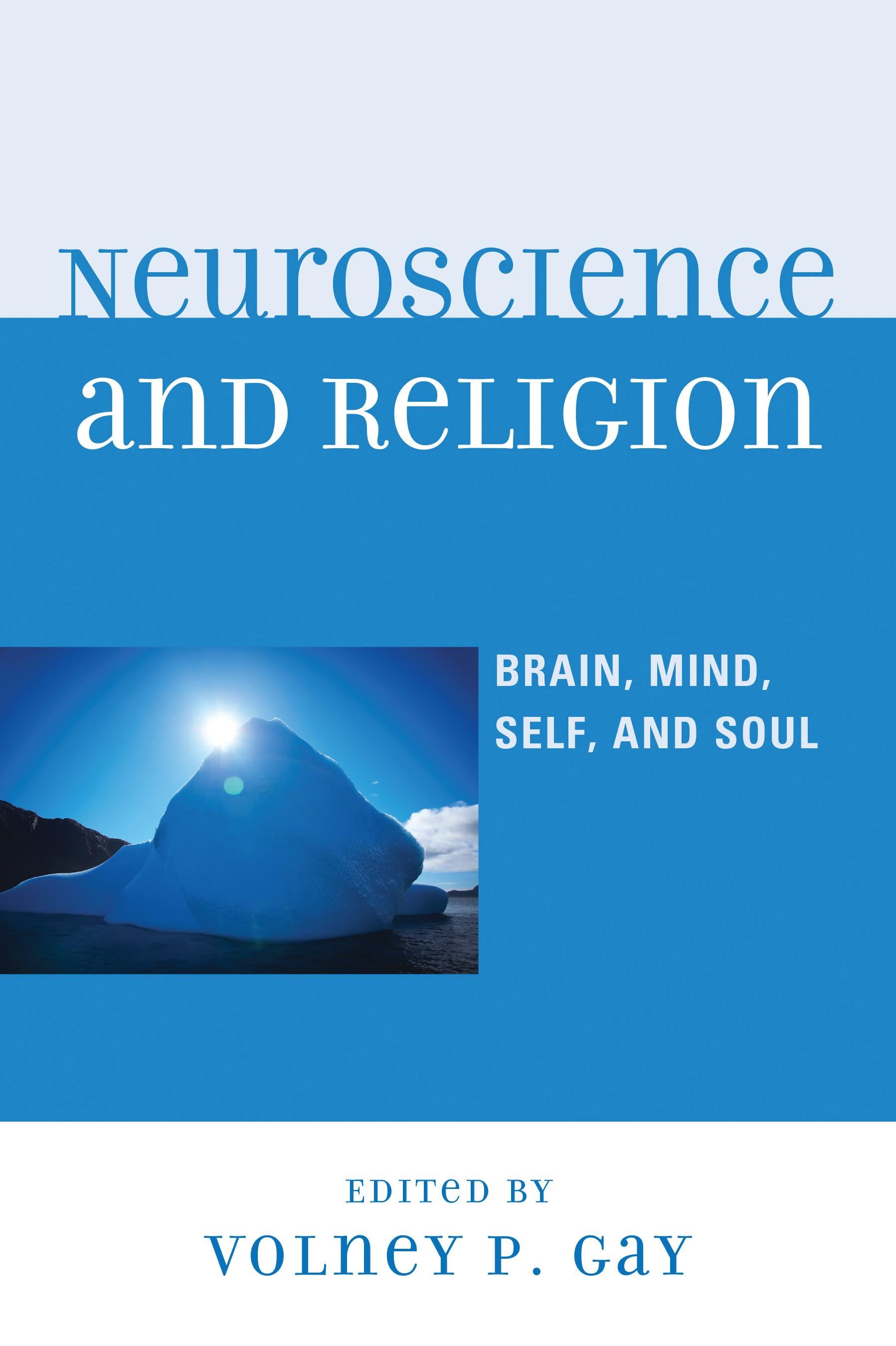
For religious persons, the notion of human being is tied inextricably to the notion of God (or the gods) and turns on this question: what is human being? How did we, with our almost infinite capacities for thought, change, and domination, come to be? Imbued with powers far beyond any other animal, humans are too faulty to be considered gods themselves. Yet, the idea of God (or the gods) appears in all distinctive human cultures: it names the other pole of human-it designates a being who realizes perfectly our imperfectly realized nature.
With the rise of new sciences come ancient anxieties about how we should define human being. In the nineteenth century, electricity and magnetism fascinated experts and captivated the lay public. In the twenty-first century, advances in neuroscience open up vast new possibilities of mimicking, and perhaps emulating human being. In this book twelve scholars and scientists ask what-if anything-distinguishes Brain from Mind, and Mind from Self and Soul.
With the rise of new sciences come ancient anxieties about how we should define human being. In the nineteenth century, electricity and magnetism fascinated experts and captivated the lay public. In the twenty-first century, advances in neuroscience open up vast new possibilities of mimicking, and perhaps emulating human being. In this book twelve scholars and scientists ask what-if anything-distinguishes Brain from Mind, and Mind from Self and Soul.
Betal nemt med kort, Klarna, Apple Pay eller Google Pay. Ikke tilfreds? Du har altid 14 dages fortrydelsesret. Læs mere i vores vilkår. Har du spørgsmål, så send os en mail på hello@memmo.org.
Memmo gør det nemmere at studere – uanset hvor du er i verden. Hos os samler du dine kursusbøger og smarte studieværktøjer ét sted: resuméer, quizzer, podcasts og flashcards. Og så er der Ted, din studieven, der svarer på alt, du undrer dig over. Over 50 000 studerende studerer allerede her – bygget til at hjælpe dig med at lære hurtigere og stresse mindre.