
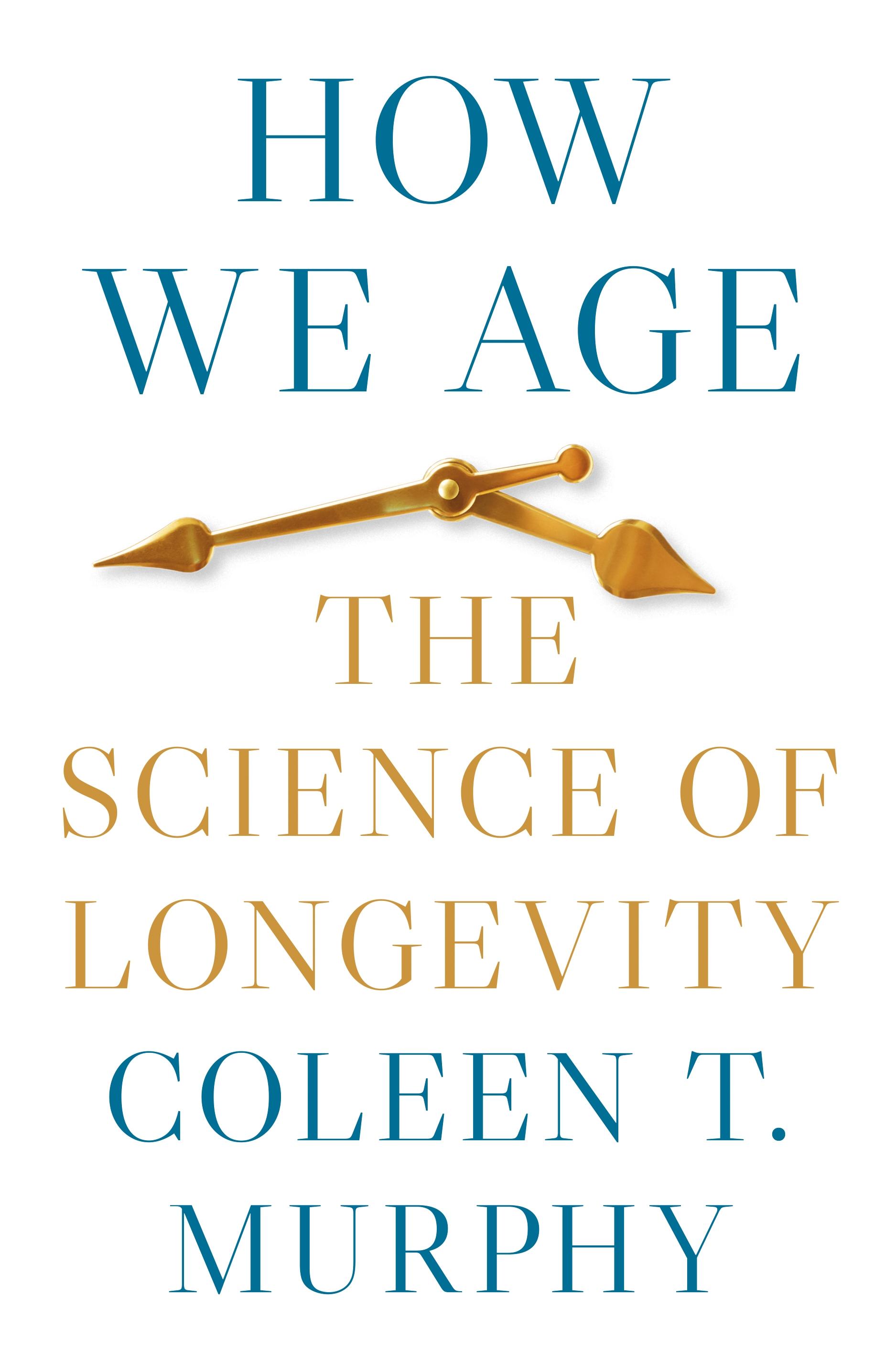
How recent breakthroughs in longevity research offer clues about human aging
All of us would like to live longer, or to slow the debilitating effects of age. In How We Age, Coleen Murphy shows how recent research on longevity and aging may be bringing us closer to this goal. Murphy, a leading scholar of aging, explains that the study of model systems, particularly simple invertebrate animals, combined with breakthroughs in genomic methods, have allowed scientists to probe the molecular mechanisms of longevity and aging. Understanding the fundamental biological rules that govern aging in model systems provides clues about how we might slow human aging, which could lead in turn to new therapeutics and treatments for age-related disease.
Among other vivid examples, Murphy describes research that shows how changing a single gene in the nematode worm C. elegans doubles its lifespan, extending not only the end of life but also the youthful, healthy part of life. Drawing on work in her own lab as well as other recent research, Murphy chronicles the history and current state of the field, explaining longevity’s links to reproduction and mating, sensory and cognitive function, inheritances from our ancestors, and the gut microbiome. Written with clarity and wit, How We Age provides a guide to the science: what we know about aging, how we know what we know, and what we can do with this new knowledge.
Betal nemt med kort, Klarna, Apple Pay eller Google Pay. Ikke tilfreds? Du har altid 14 dages fortrydelsesret. Læs mere i vores vilkår. Har du spørgsmål, så send os en mail på hello@memmo.org.
Memmo gør det nemmere at studere – uanset hvor du er i verden. Hos os samler du dine kursusbøger og smarte studieværktøjer ét sted: resuméer, quizzer, podcasts og flashcards. Og så er der Ted, din studieven, der svarer på alt, du undrer dig over. Over 50 000 studerende studerer allerede her – bygget til at hjælpe dig med at lære hurtigere og stresse mindre.