
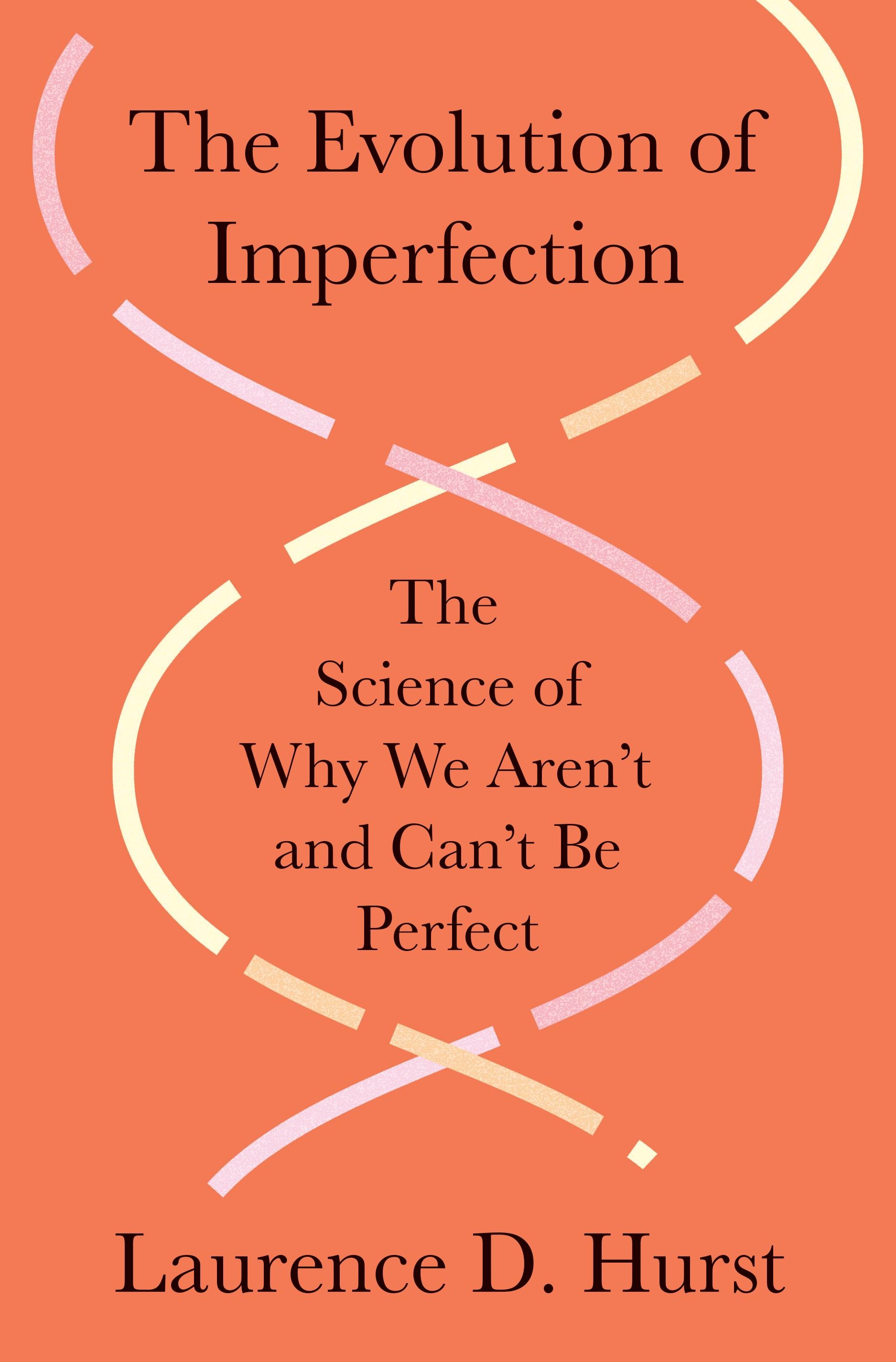
How understanding our genetic imperfections can change our view of evolution and enrich what it means to be human
If we start with the presumption that evolution is a constantly improving process, some aspects of our evolution just do not make sense. We have a high rate of genetic diseases, for example, and much of our DNA seems to be pointless. In The Evolution of Imperfection, Laurence Hurst explores our apparently rotten genetic luck.
Hurst, a leading authority on evolution and genetics, argues that our evolutionary imperfections proceed directly from two features: the difficulties of pregnancy and the fact that historically there are relatively few of us. In pregnancy, natural selection can favor chromosomes that kill embryos in species (including ours) that continuously receive resources from the mother. Most fertilized eggs don’t make it, and incompatibilities between the fetus and mother can lead to lethal disorders of pregnancy. The historically small population size enhances the role of chance, which in turn leads to both accumulation of unnecessary DNA and more mutation.
So what can save us? One answer may lie in genetic medicine, which has given us therapies that make killer conditions preventable and even curable.
Hurst suggests that our seeming imperfections could be the key to a new way to understand evolution itself. Looking at circumstances that seem to defy explanation, we might come to a richer understanding of how evolution really works, and what it means to be human.
Betal nemt med kort, Klarna, Apple Pay eller Google Pay. Ikke tilfreds? Du har altid 14 dages fortrydelsesret. Læs mere i vores vilkår. Har du spørgsmål, så send os en mail på hello@memmo.org.
Memmo gør det nemmere at studere – uanset hvor du er i verden. Hos os samler du dine kursusbøger og smarte studieværktøjer ét sted: resuméer, quizzer, podcasts og flashcards. Og så er der Ted, din studieven, der svarer på alt, du undrer dig over. Over 50 000 studerende studerer allerede her – bygget til at hjælpe dig med at lære hurtigere og stresse mindre.