
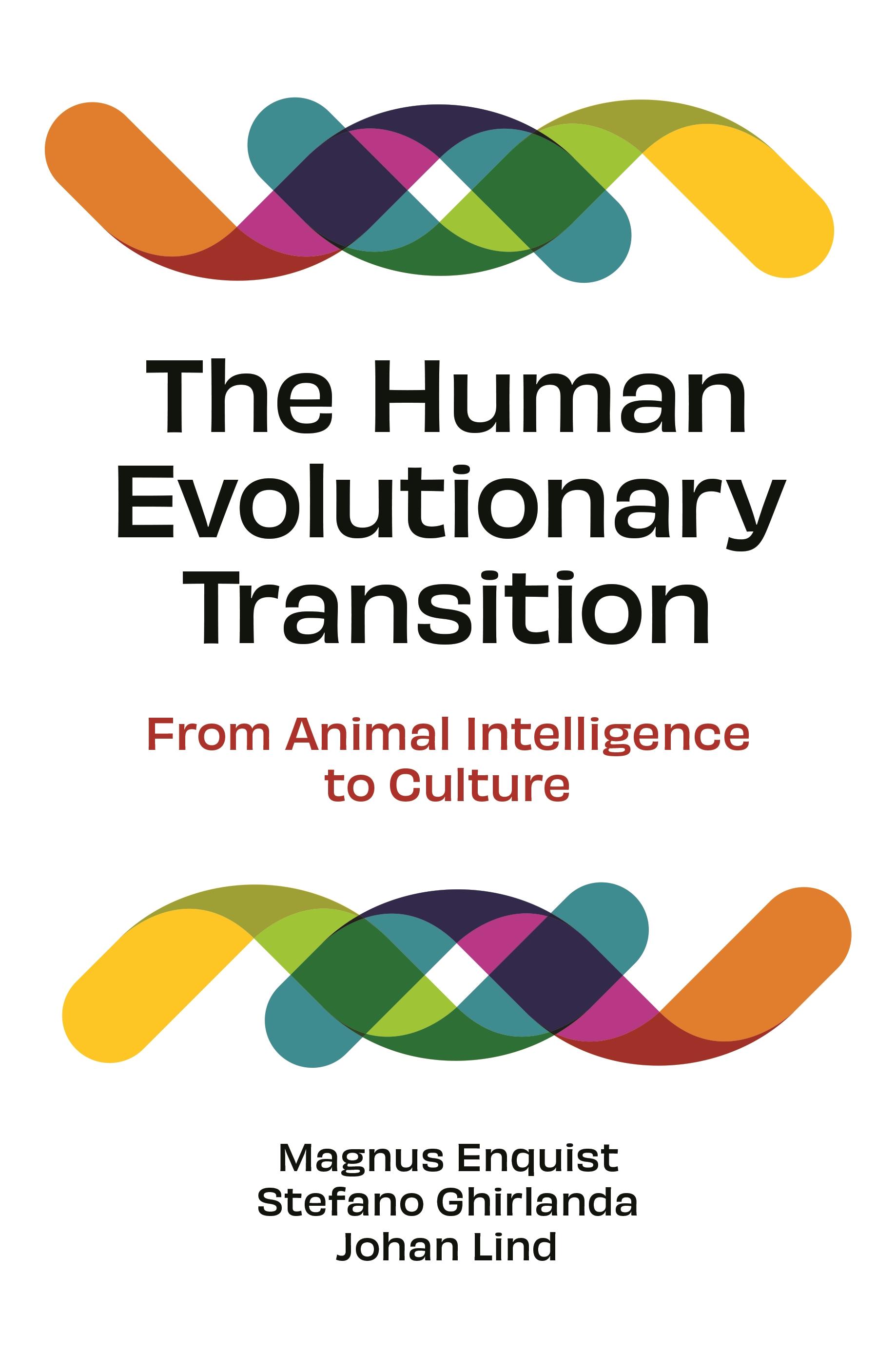
A major new theory of why human intelligence has not evolved in other species
The Human Evolutionary Transition offers a unified view of the evolution of intelligence, presenting a bold and provocative new account of how animals and humans have followed two powerful yet very different evolutionary paths to intelligence. This incisive book shows how animals rely on robust associative mechanisms that are guided by genetic information, which enable animals to sidestep complex problems in learning and decision making but ultimately limit what they can learn. Humans embody an evolutionary transition to a different kind of intelligence, one that relies on behavioral and mental flexibility. The book argues that flexibility is useless to most animals because they lack sufficient opportunities to learn new behavioral and mental skills. Humans find these opportunities in lengthy childhoods and through culture.
Blending the latest findings in fields ranging from psychology to evolutionary anthropology, The Human Evolutionary Transition draws on computational analyses of the problems organisms face, extensive overviews of empirical data on animal and human learning, and mathematical modeling and computer simulations of hypotheses about intelligence. This compelling book demonstrates that animal and human intelligence evolved from similar selection pressures while identifying bottlenecks in evolution that may explain why human-like intelligence is so rare.
Betal nemt med kort, Klarna, Apple Pay eller Google Pay. Ikke tilfreds? Du har altid 14 dages fortrydelsesret. Læs mere i vores vilkår. Har du spørgsmål, så send os en mail på hello@memmo.org.
Memmo gør det nemmere at studere – uanset hvor du er i verden. Hos os samler du dine kursusbøger og smarte studieværktøjer ét sted: resuméer, quizzer, podcasts og flashcards. Og så er der Ted, din studieven, der svarer på alt, du undrer dig over. Over 50 000 studerende studerer allerede her – bygget til at hjælpe dig med at lære hurtigere og stresse mindre.