
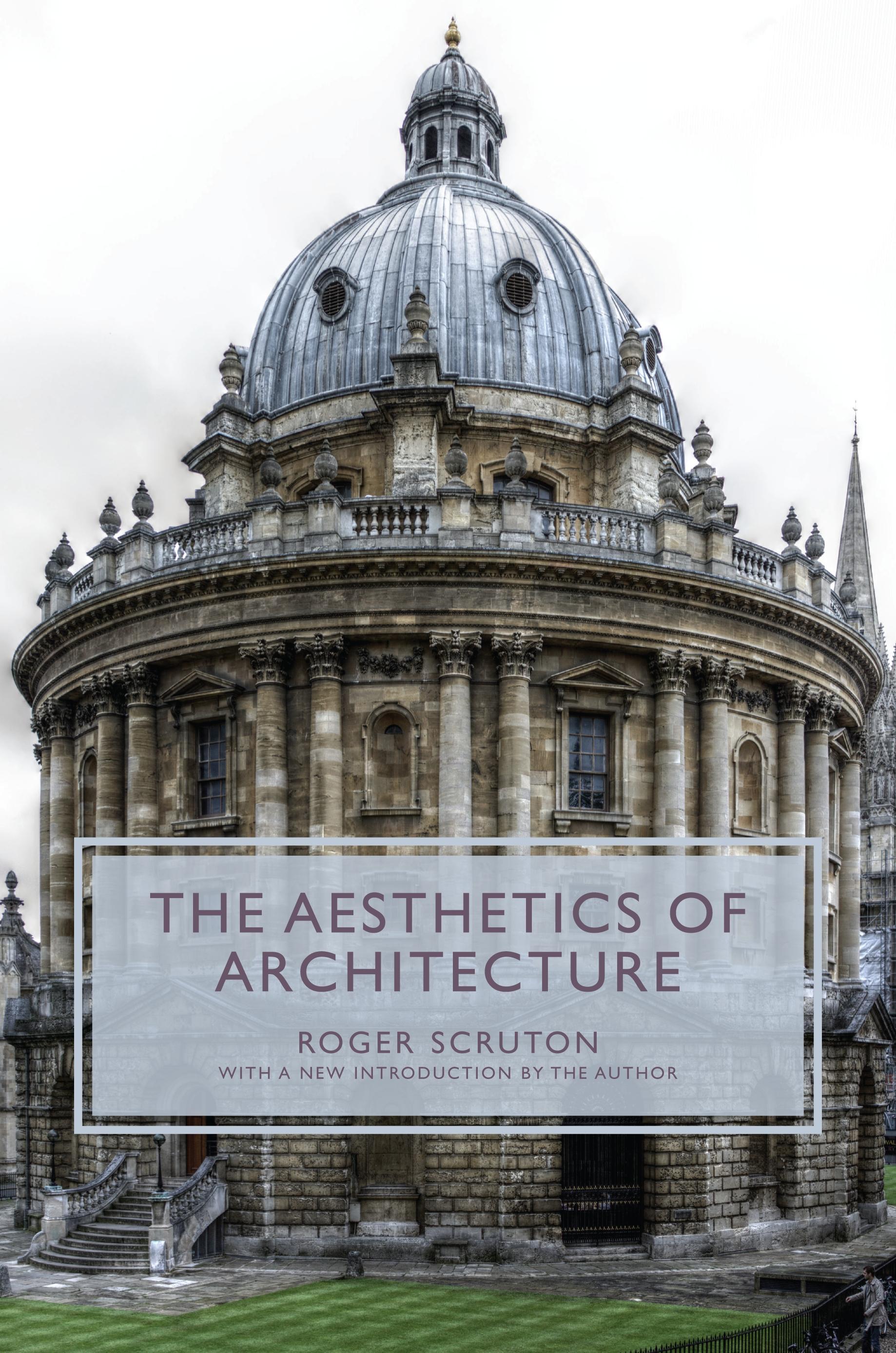
A landmark account of architectural theory and practice from acclaimed philosopher Roger Scruton
Architecture is distinguished from other art forms by its sense of function, its localized quality, its technique, its public and nonpersonal character, and its continuity with the decorative arts. In this important book, Roger Scruton calls for a return to first principles in contemporary architectural theory, contending that the aesthetic of architecture is, in its very essence, an aesthetic of everyday life. Aesthetic understanding is inseparable from a sense of detail and style, from which the appropriate, the expressive, the beautiful, and the proportionate take their meaning. Scruton provides incisive critiques of the romantic, functionalist, and rationalist theories of design, and of the Freudian, Marxist, and semiological approaches to aesthetic value.
In a new introduction, Scruton discusses how his ideas have developed since the book's original publication, and he assesses the continuing relevance of his argument for the twenty-first century.
Betal nemt med kort, Klarna, Apple Pay eller Google Pay. Ikke tilfreds? Du har altid 14 dages fortrydelsesret. Læs mere i vores vilkår. Har du spørgsmål, så send os en mail på hello@memmo.org.
Memmo gør det nemmere at studere – uanset hvor du er i verden. Hos os samler du dine kursusbøger og smarte studieværktøjer ét sted: resuméer, quizzer, podcasts og flashcards. Og så er der Ted, din studieven, der svarer på alt, du undrer dig over. Over 50 000 studerende studerer allerede her – bygget til at hjælpe dig med at lære hurtigere og stresse mindre.