
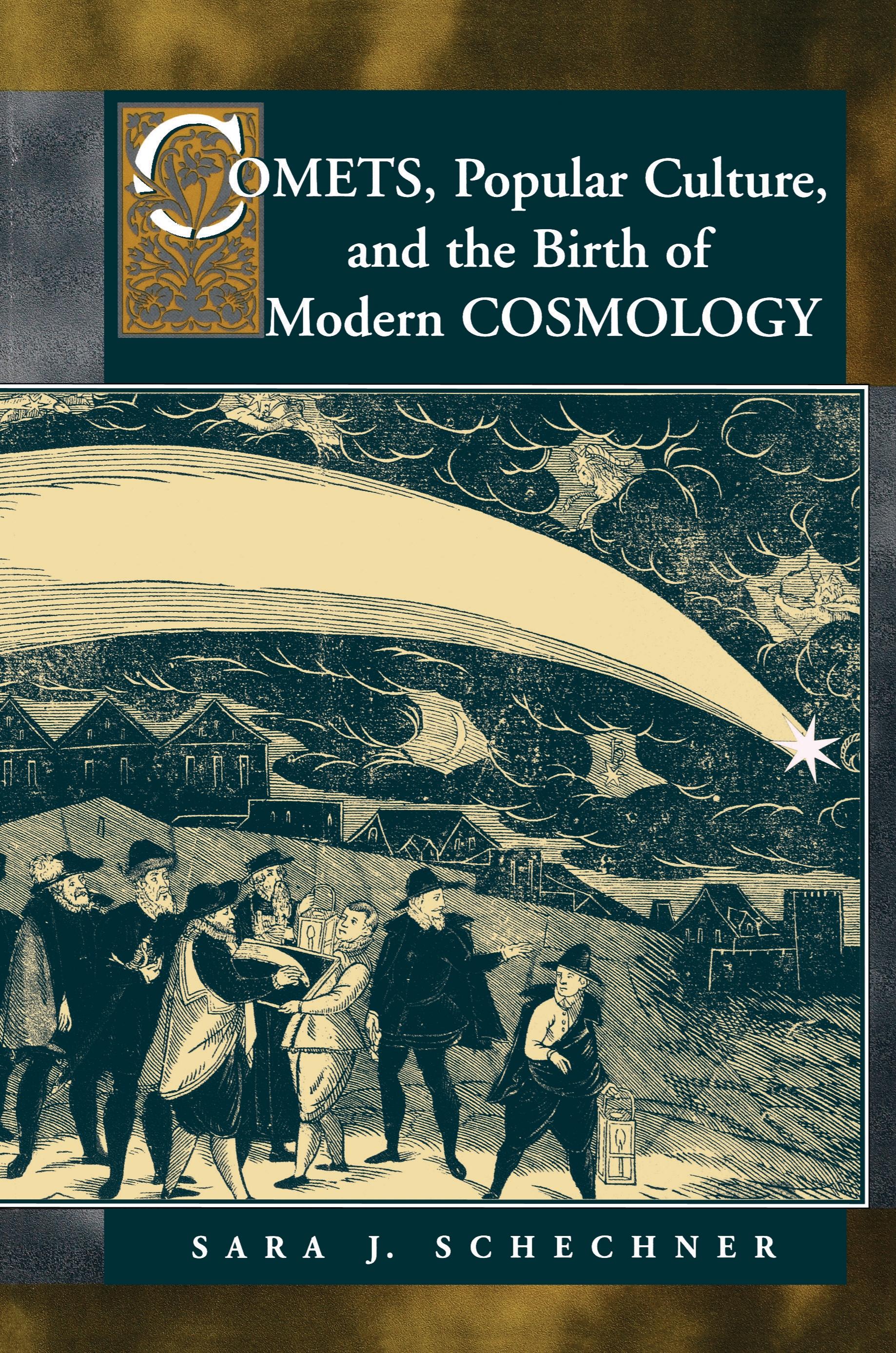
In a lively investigation into the boundaries between popular culture and early-modern science, Sara Schechner presents a case study that challenges the view that rationalism was at odds with popular belief in the development of scientific theories. Schechner Genuth delineates the evolution of people's understanding of comets, showing that until the seventeenth century, all members of society dreaded comets as heaven-sent portents of plague, flood, civil disorder, and other calamities. Although these beliefs became spurned as "vulgar superstitions" by the elite before the end of the century, she shows that they were nonetheless absorbed into the science of Newton and Halley, contributing to their theories in subtle yet profound ways.
Schechner weaves together many strands of thought: views of comets as signs and causes of social and physical changes; vigilance toward monsters and prodigies as indicators of God's will; Christian eschatology; scientific interpretations of Scripture; astrological prognostication and political propaganda; and celestial mechanics and astrophysics. This exploration of the interplay between high and low beliefs about nature leads to the conclusion that popular and long-held views of comets as divine signs were not overturned by astronomical discoveries. Indeed, they became part of the foundation on which modern cosmology was built.
Betal nemt med kort, Klarna, Apple Pay eller Google Pay. Ikke tilfreds? Du har altid 14 dages fortrydelsesret. Læs mere i vores vilkår. Har du spørgsmål, så send os en mail på hello@memmo.org.
Memmo gør det nemmere at studere – uanset hvor du er i verden. Hos os samler du dine kursusbøger og smarte studieværktøjer ét sted: resuméer, quizzer, podcasts og flashcards. Og så er der Ted, din studieven, der svarer på alt, du undrer dig over. Over 50 000 studerende studerer allerede her – bygget til at hjælpe dig med at lære hurtigere og stresse mindre.