
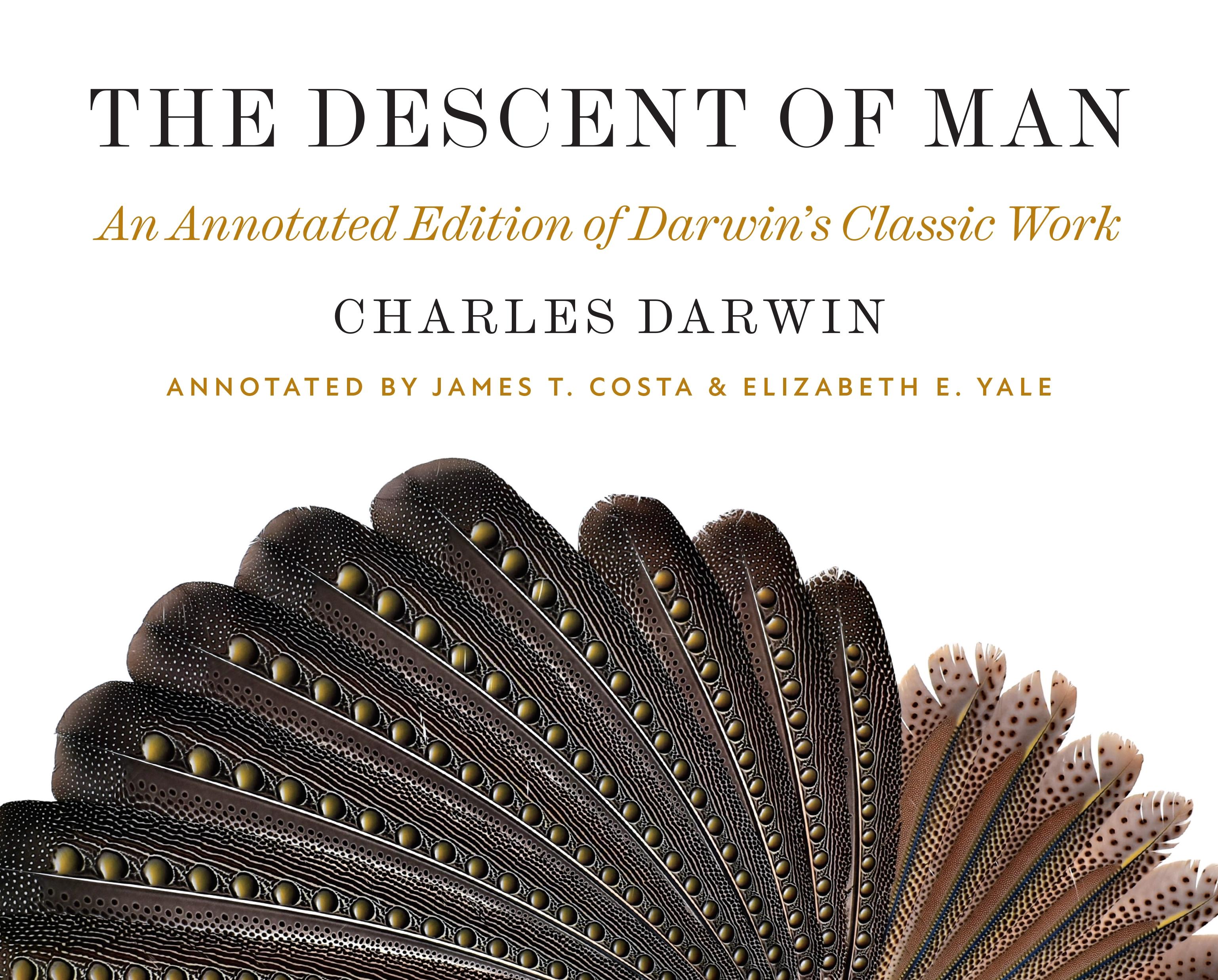
The first annotated edition of the book that shocked the Victorian world and continues to generate controversy today
When Charles Darwin's The Descent of Man was published in 1871, the book was an immediate sensation. It presents Darwin's account of how we evolved from primates and expounds his theory of sexual selection, which he believed accounted for human origins and diversity. James Costa and Elizabeth Yale bring Darwin's Descent to new life in this authoritative annotated edition, shedding light on the cultural context in which the legendary naturalist developed his ideas and exploring how subsequent generations of scientists, scholars, and social reformers adapted them.
Informative and in-depth commentaries accompany the text of The Descent of Man, enabling readers to engage with Darwin's ideas and contextualize them in light of our current understanding of human evolution and sexual selection. Costa and Yale show how Darwin's antislavery commitments and his beliefs in European superiority shaped his account of the evolution of human difference, and examine how Victorian beliefs about gender informed the development of his theory of sexual selection. They explain where Darwin's arguments about the origins of human differences line up with modern science—and where they don't.
Spanning the boundaries of history and science, this fully annotated edition illuminates the rich cultural and scientific contexts underpinning Darwin's ideas and introduces his landmark book to a new generation of readers.
Betal nemt med kort, Klarna, Apple Pay eller Google Pay. Ikke tilfreds? Du har altid 14 dages fortrydelsesret. Læs mere i vores vilkår. Har du spørgsmål, så send os en mail på hello@memmo.org.
Memmo gør det nemmere at studere – uanset hvor du er i verden. Hos os samler du dine kursusbøger og smarte studieværktøjer ét sted: resuméer, quizzer, podcasts og flashcards. Og så er der Ted, din studieven, der svarer på alt, du undrer dig over. Over 50 000 studerende studerer allerede her – bygget til at hjælpe dig med at lære hurtigere og stresse mindre.