
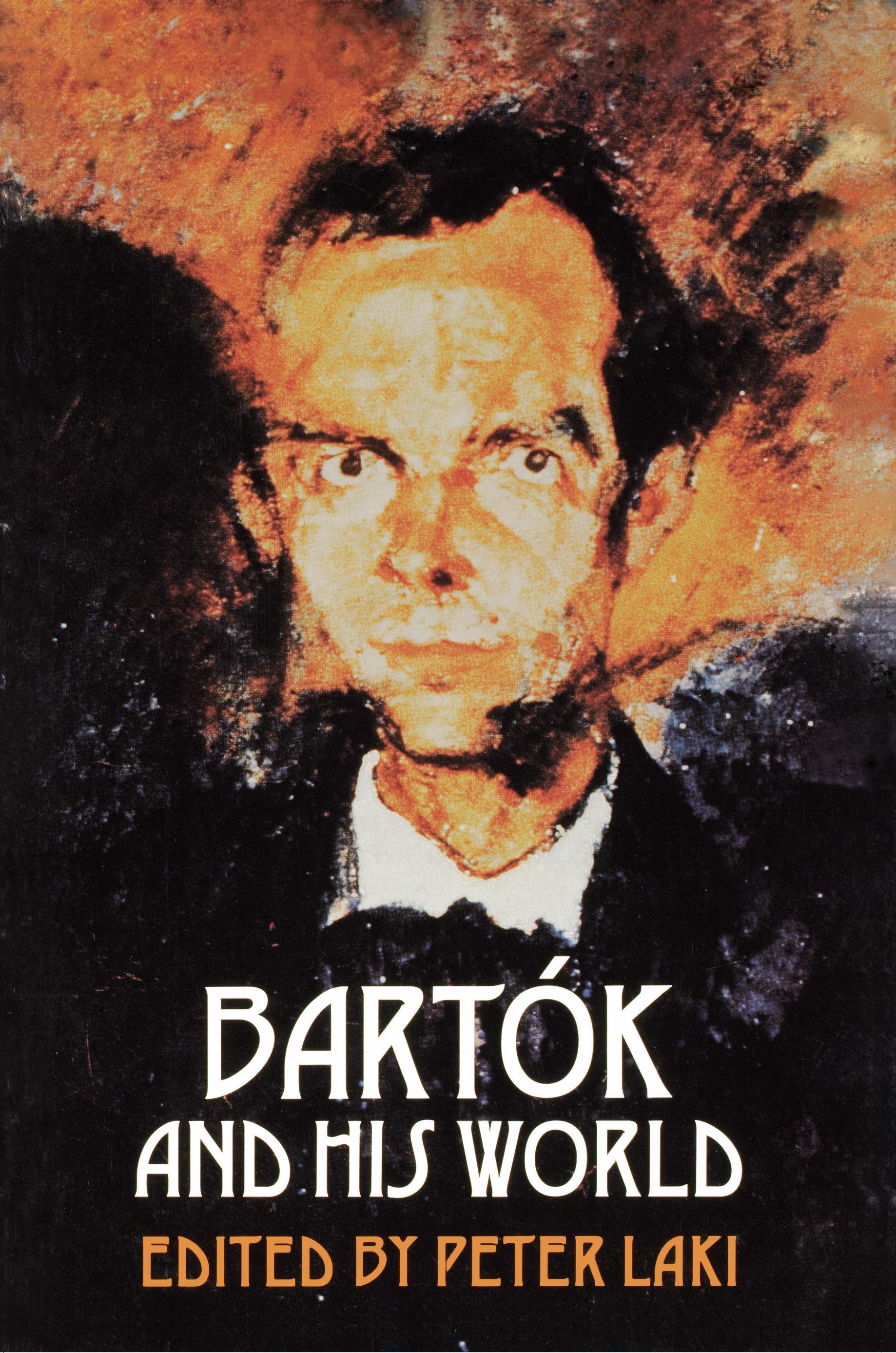
Béla Bartók, who died in New York fifty years ago this September, is one of the most frequently performed twentieth-century composers. He is also the subject of a rapidly growing critical and analytical literature. Bartók was born in Hungary and made his home there for all but his last five years, when he resided in the United States. As a result, many aspects of his life and work have been accessible only to readers of Hungarian. The main goal of this volume is to provide English-speaking audiences with new insights into the life and reception of this musician, especially in Hungary.
Part I begins with an essay by Leon Botstein that places Bartók in a large historical and cultural context. László Somfai reports on the catalog of Bartók's works that is currently in progress. Peter Laki shows the extremes of the composer's reception in Hungary, while Tibor Tallián surveys the often mixed reviews from the American years. The essays of Carl Leafstedt and Vera Lampert deal with his librettists Béla Balázs and Melchior Lengyel respectively. David Schneider addresses the artistic relationship between Bartók and Stravinsky.
Most of the letters and interviews in Part II concern Bartók's travels and emigration as they reflected on his personal life and artistic evolution. Part III presents early critical assessments of Bartók's work as well as literary and poetic responses to his music and personality.
Betal nemt med kort, Klarna, Apple Pay eller Google Pay. Ikke tilfreds? Du har altid 14 dages fortrydelsesret. Læs mere i vores vilkår. Har du spørgsmål, så send os en mail på hello@memmo.org.
Memmo gør det nemmere at studere – uanset hvor du er i verden. Hos os samler du dine kursusbøger og smarte studieværktøjer ét sted: resuméer, quizzer, podcasts og flashcards. Og så er der Ted, din studieven, der svarer på alt, du undrer dig over. Over 50 000 studerende studerer allerede her – bygget til at hjælpe dig med at lære hurtigere og stresse mindre.