
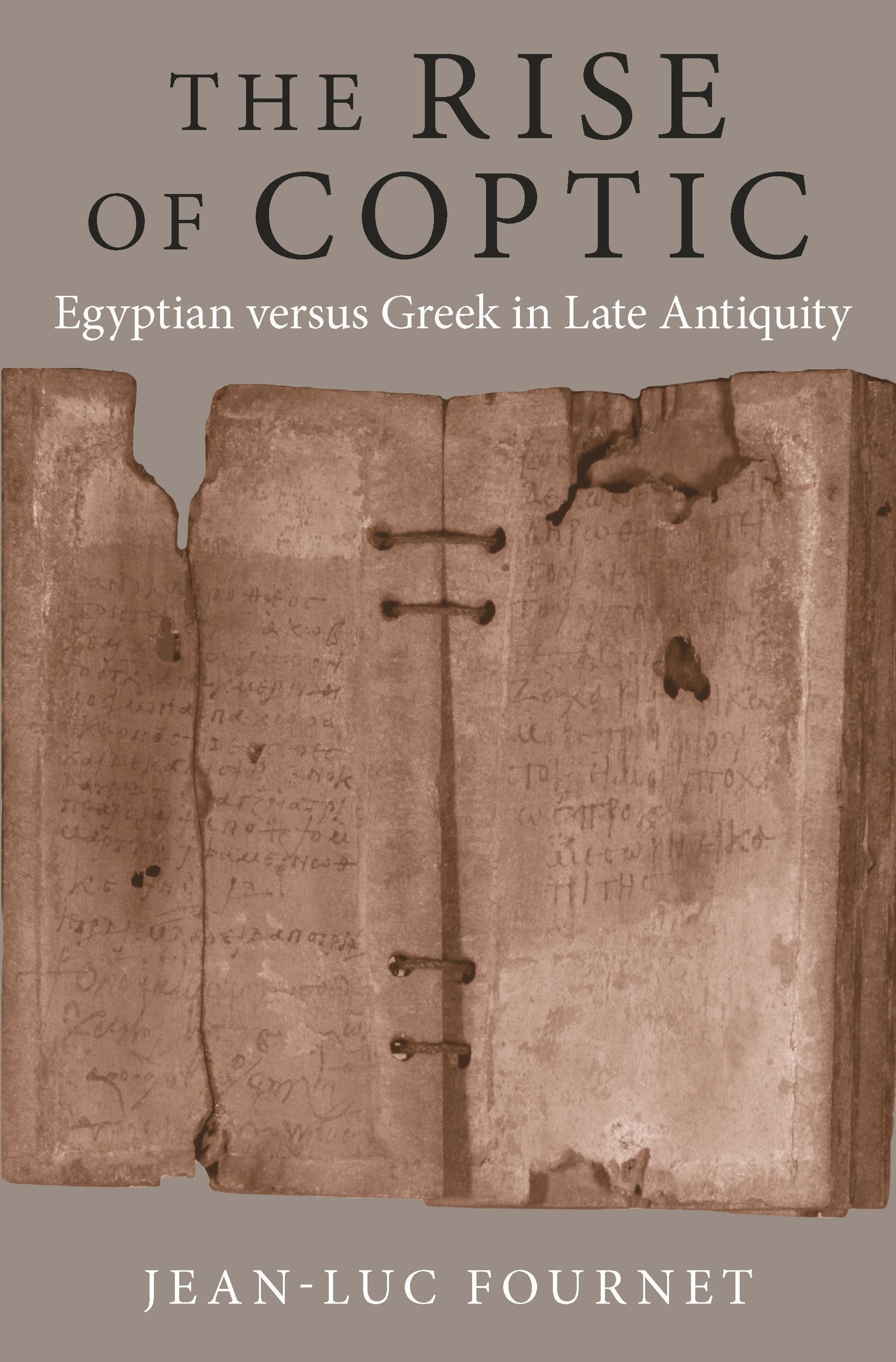
Coptic emerged as the written form of the Egyptian language in the third century, when Greek was still the official language in Egypt. By the time of the Arab conquest of Egypt in 641, Coptic had almost achieved official status, but only after an unusually prolonged period of stagnation. Jean-Luc Fournet traces this complex history, showing how the rise of Coptic took place amid profound cultural, religious, and political changes in late antiquity.
For some three hundred years after its introduction into the written culture of Egypt, Coptic was limited to biblical translation and private and monastic correspondence, while Greek retained its monopoly on administrative, legal, and literary writing. This changed during the sixth century, when Coptic began to penetrate domains that were once closed to it, such as literature, liturgy, regulated transactions between individuals, and communications between the state and its subjects. Fournet examines the reasons for Coptic's late development as a competing language—which was unlike what happened with other vernacular languages in Near Eastern Greek-speaking societies—and explains why Coptic eventually succeeded in being recognized with Greek as an official language.
Incisively written and rich with insights, The Rise of Coptic draws on a wealth of archival evidence to shed new light on the role of monasticism in the growing use of Coptic before the Arab conquest.
Betal nemt med kort, Klarna, Apple Pay eller Google Pay. Ikke tilfreds? Du har altid 14 dages fortrydelsesret. Læs mere i vores vilkår. Har du spørgsmål, så send os en mail på hello@memmo.org.
Memmo gør det nemmere at studere – uanset hvor du er i verden. Hos os samler du dine kursusbøger og smarte studieværktøjer ét sted: resuméer, quizzer, podcasts og flashcards. Og så er der Ted, din studieven, der svarer på alt, du undrer dig over. Over 50 000 studerende studerer allerede her – bygget til at hjælpe dig med at lære hurtigere og stresse mindre.