
How ancient Mediterranean trade thrived through state institutions
From around 700 BCE until the first centuries CE, the Mediterranean enjoyed steady economic growth through trade, reaching a level not to be regained until the early modern era. This process of growth coincided with a process of state formation, culminating in the largest state the ancient Mediterranean would ever know, the Roman Empire. Subsequent economic decline coincided with state disintegration. How are the two processes related?
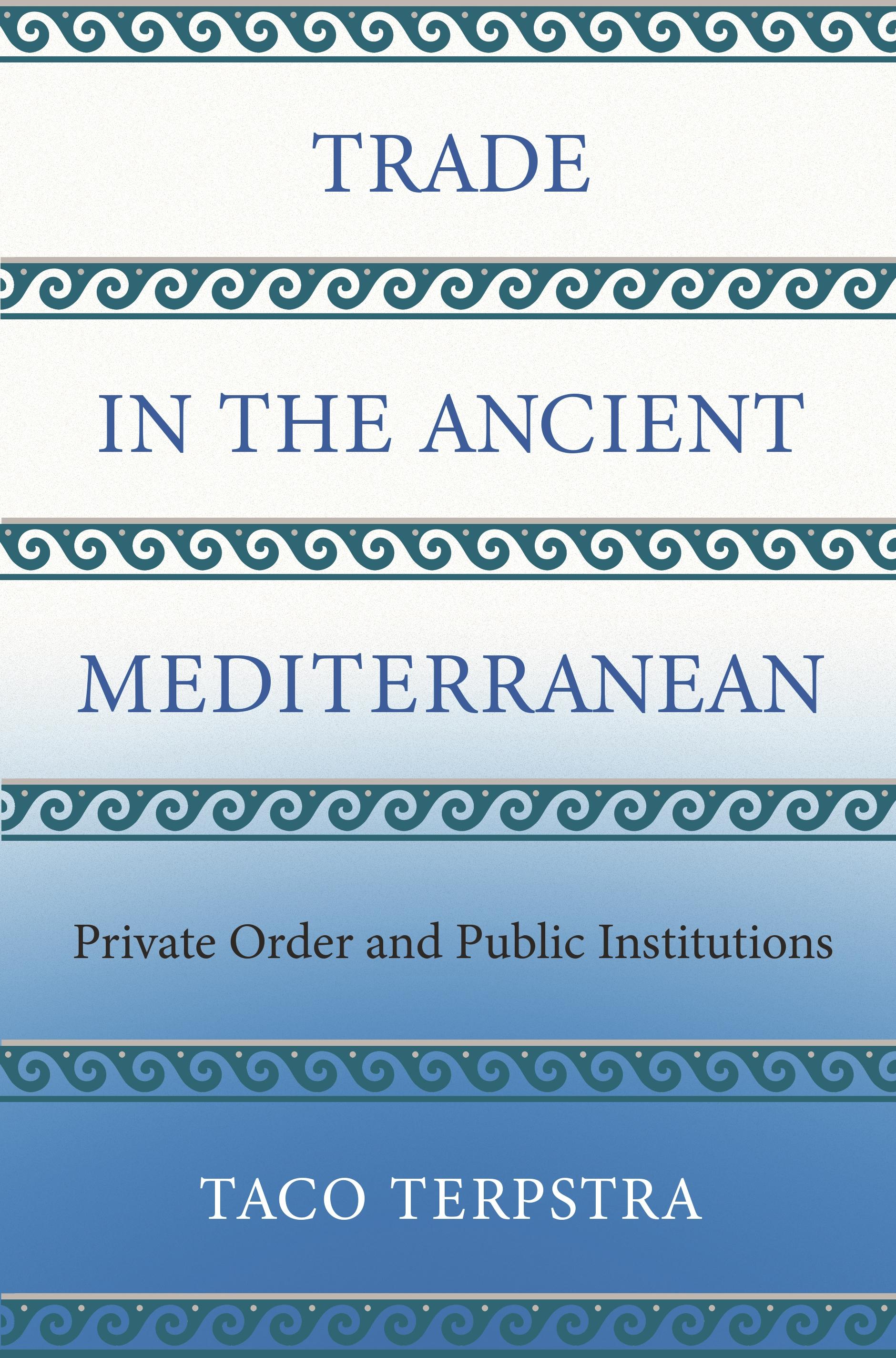
In Trade in the Ancient Mediterranean, Taco Terpstra investigates how the organizational structure of trade benefited from state institutions. Although enforcement typically depended on private actors, traders could utilize a public infrastructure, which included not only courts and legal frameworks but also socially cohesive ideologies. Terpstra details how business practices emerged that were based on private order, yet took advantage of public institutions.
Focusing on the activity of both private and public economic actors—from Greek city councilors and Ptolemaic officials to long-distance traders and Roman magistrates and financiers—Terpstra illuminates the complex relationship between economic development and state structures in the ancient Mediterranean.
Betal nemt med kort, Klarna, Apple Pay eller Google Pay. Ikke tilfreds? Du har altid 14 dages fortrydelsesret. Læs mere i vores vilkår. Har du spørgsmål, så send os en mail på hello@memmo.org.
Memmo gør det nemmere at studere – uanset hvor du er i verden. Hos os samler du dine kursusbøger og smarte studieværktøjer ét sted: resuméer, quizzer, podcasts og flashcards. Og så er der Ted, din studieven, der svarer på alt, du undrer dig over. Over 50 000 studerende studerer allerede her – bygget til at hjælpe dig med at lære hurtigere og stresse mindre.